

11 Cultural and Historical Things to Do in Tokyo That Aren’t Boring
When most people picture traditional things to do in Tokyo, they think of temples, shrines, maybe a tea ceremony. And yes, Japan is famous for all of those. But a cultural experience in Tokyo does not have to be stiff or boring.
When we lived in the city, we visited our fair share of historical attractions (some more than once), but the moments that really stuck with us were the ones that let us do something: to touch, taste, and feel the culture for ourselves.
Here are our favorite unique activities in Tokyo that combine history, hands-on fun, and memorable connection to tradition.
Plan your trip with our favorite resources
Where to Stay in Japan: check best deals
Transport & activities: klook.com (save up to 10% with code DANAYAO)
eSIM for Japan: stay connected with Airalo
1. Become a Shrine Maiden for a Day
We have seen Shinto ceremonies before, but actually becoming a miko (shrine maiden) feels completely different. Dressed in white and red, you learn a slow, deliberate dance that is both beautiful and symbolic.
It is the kind of movement where every step, every turn of the hand, is meant to connect you with nature and the gods. The instructors also teach you the etiquette, which adds to the sense of respect and authenticity.
This activity is for women only (sorry to my guy readers), but if you can do it, it is one of the most unique ways to experience Japan’s spiritual culture.
2. Walk Through Old Tokyo in Yanaka Ginza
Yanaka Ginza feels like stepping into a slower, gentler version of Tokyo. It is one of the few neighborhoods that survived the war, so the streets still carry the charm of decades past.
You will find mom-and-pop shops, family-run snack stands, and little stores that have barely changed in years.
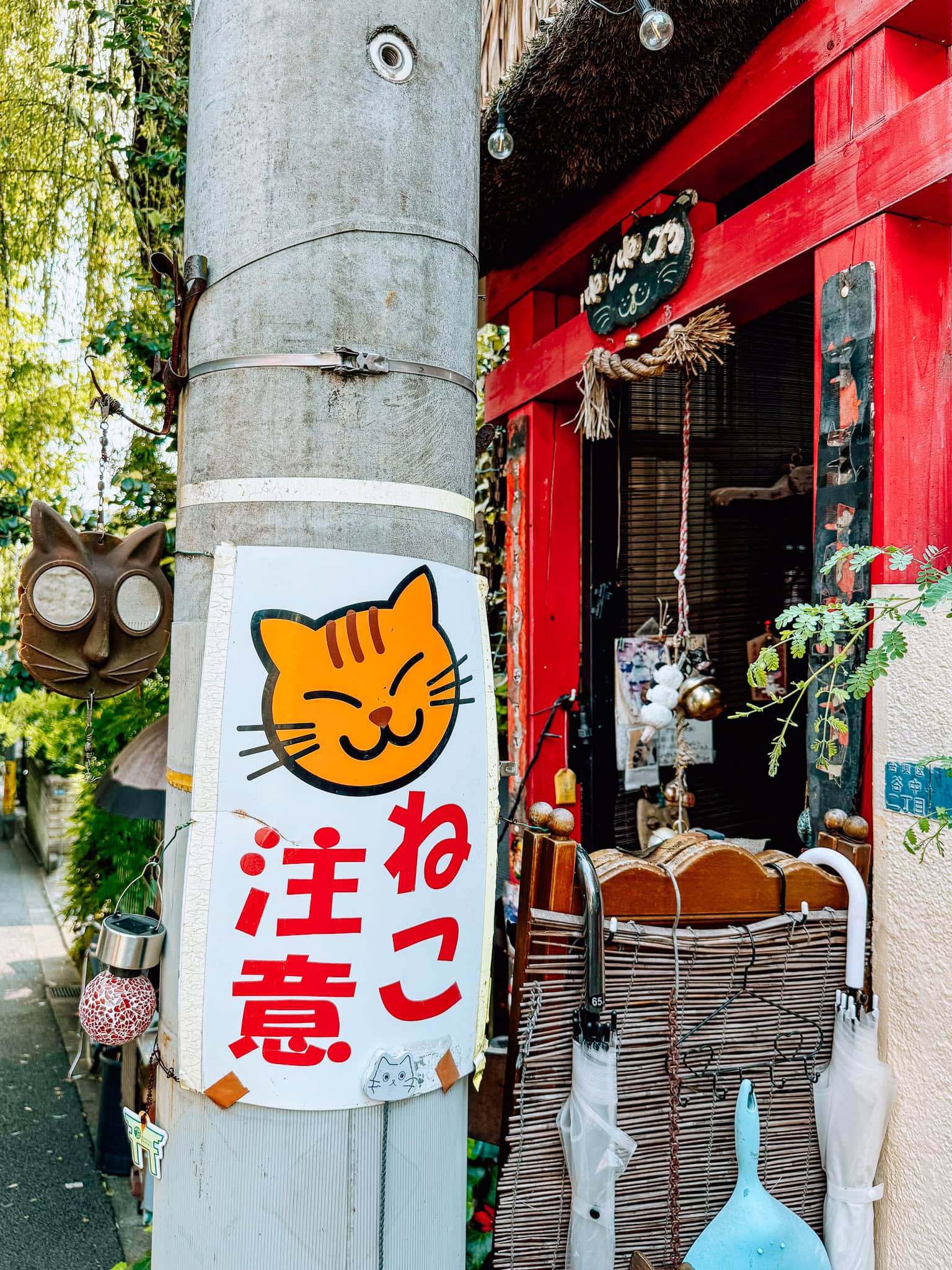
It is also quietly known as Tokyo’s “cat town,” with feline statues, trinkets, and even a few real cats lounging in shop windows. We love wandering here without an agenda, just snacking and browsing.
If you want to pair Yanaka with more sightseeing, there is a tour that links it with Asakusa, adding historic temples, craft shops, and some of the best street food in Tokyo for a full day of exploring.

3. Remake an Antique Kimono into Something Modern
There is something special about holding a kimono that has been worn and loved for decades. In this workshop, you choose from hundreds of antique kimonos, each with its own history, and transform it into a modern piece you can actually wear.
Using simple tools like an iron and hemming tape, you learn how to reshape the fabric, then decorate it with accessories like an obi, obiage, and obijime. The process is beginner-friendly, but still feels like you are working with something precious.
By the end, you have a piece that blends tradition with your own personal style, and a meaningful souvenir that will always remind you of your time in Tokyo.
4. Visit Tokyo’s Lucky Cat Temple
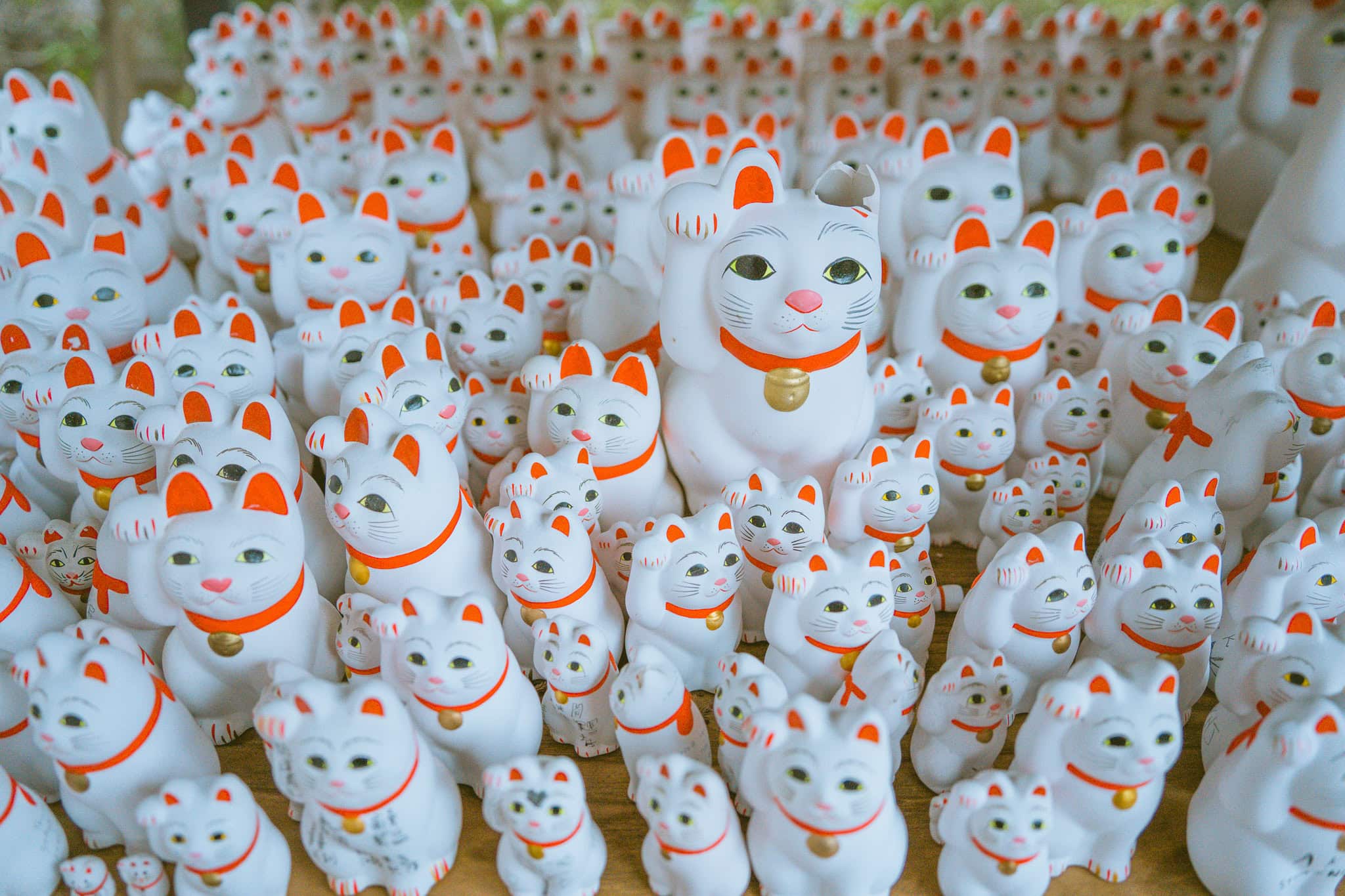
Gotokuji Temple in Setagaya is a quiet neighborhood spot with a big claim to fame: thousands of maneki neko (beckoning cat) statues covering the grounds. Legend says the temple is the birthplace of the lucky cat, and seeing rows upon rows of them feels both charming and a little surreal.
Getting there is half the fun. You can ride the Setagaya Line cat tram version: a small tram decorated with cats, making it one of the most wholesome commutes in Tokyo.
Once inside the temple, the atmosphere is peaceful and photogenic, with plenty of spots to slow down and take it all in.
You can buy your own maneki neko to bring home, write a wish, or just enjoy wandering the pathways. If you are lucky, you might even spot Tama-chan, the temple’s real-life cat resident, lounging in the sun.
5. Make Your Own Omamori / Lucky Charm
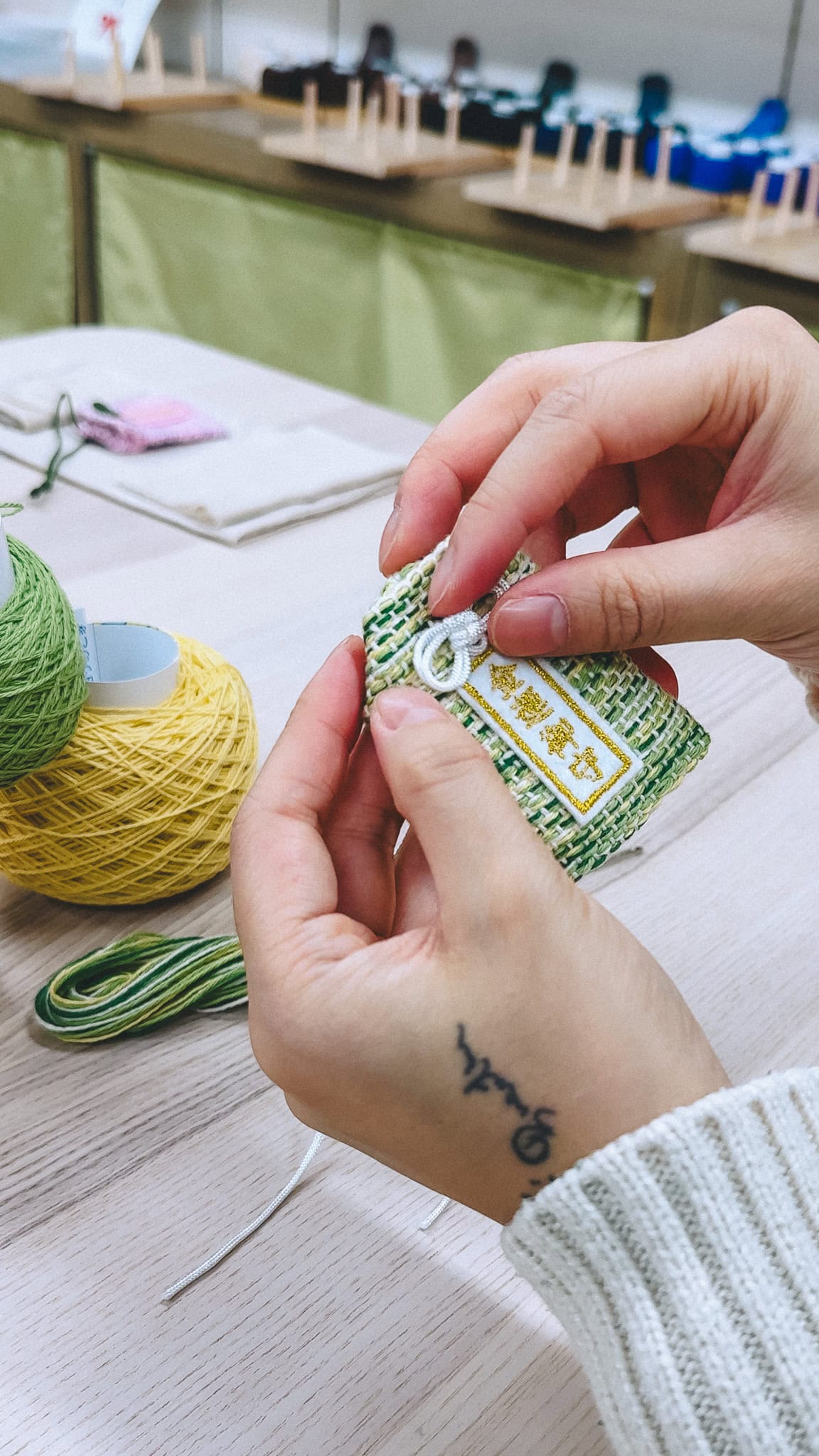
Omamori are small Japanese charms believed to bring luck, safety, or success, and you usually buy them at temples or shrines. At Orinami in Asakusa, you can make one yourself and add a personal touch to a centuries-old tradition.
You start by choosing five yarn colors, each blessed at Tenjiku Shrine in Aichi. Then, using a traditional loom, you weave the body of the charm. While the staff finishes sewing it into shape, you pick a patch and ribbon, and write a wish to tuck inside.
It is part craft project, part cultural experience, and the final product is a beautiful, meaningful souvenir that you made with your own hands.
6. Make Traditional Washi Paper and Washi Postcards
Washi is one of Japan’s most iconic traditional crafts, with a history stretching back over a millennium. Despite its age, this handmade paper is still valued for its strength, beauty, and versatility.
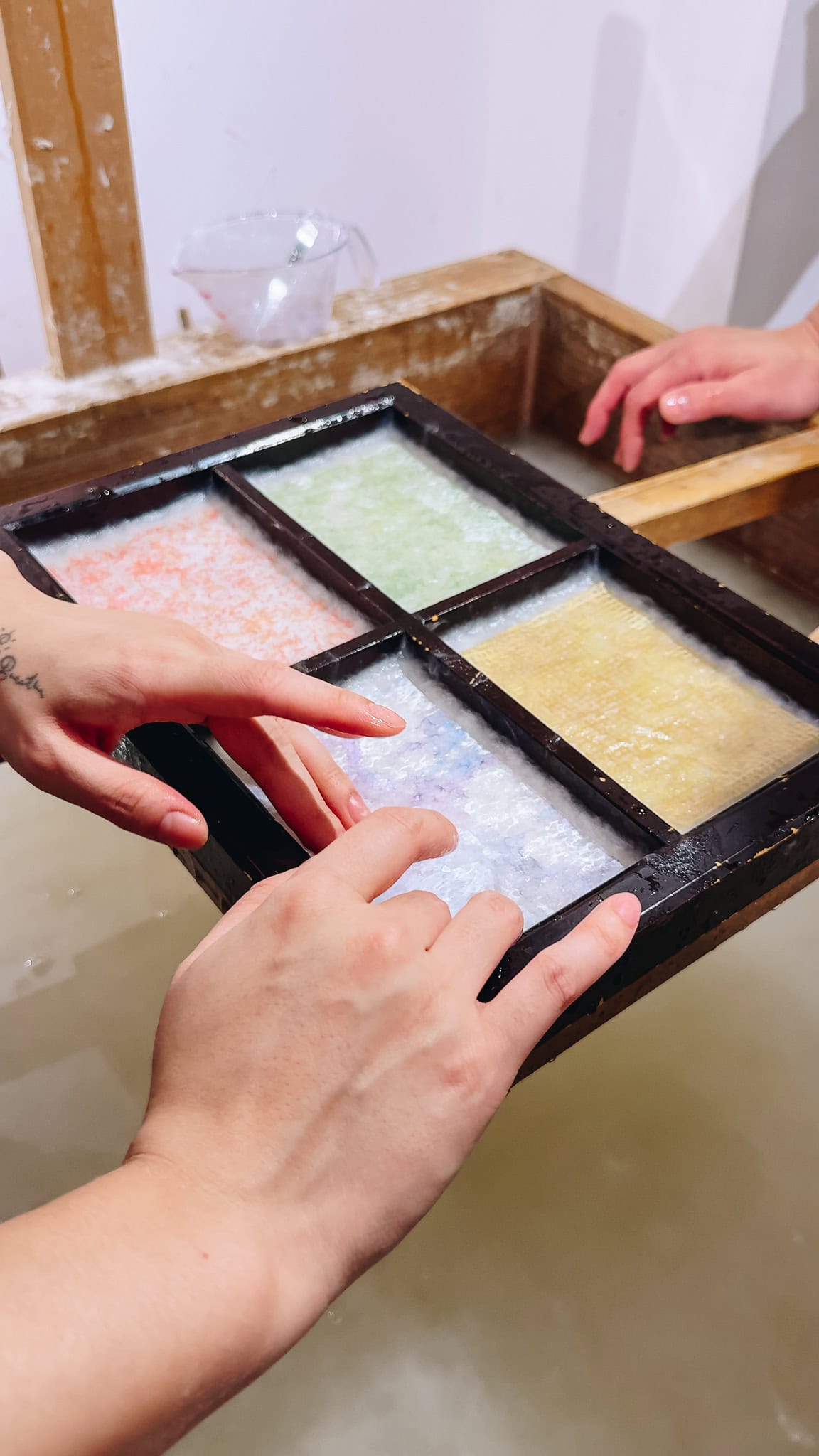
In this short, interactive class in Asakusa, you will get to create your own sheets of washi from scratch. You will blend the pulp, scoop and shape it, then set it to dry. You can play with colors or patterns, making each piece truly your own.
At the end, you will take home a small set of postcards, so perfect for sending to friends or keeping as a colorful reminder of your trip.

7. Visit the Imperial Palace and Learn Its History
Step into the heart of Japan’s history with a visit to the Imperial Palace, built on the former site of Edo Castle. This is where the world of the shoguns transitioned into the home of the emperor, and walking its grounds feels like traveling through centuries in just a few steps.
On this guided tour, you will hear stories about Japan’s old class system, from farmers and samurai to powerful daimyo and the shogun himself.
Along the way, you can pass preserved samurai residences, spot elegant koi in the ponds, and see trees from across Japan that were gifted to the imperial family.
It is a serene escape right in the middle of Tokyo, yet full of reminders that this was once the political and cultural center of an entire nation.
8. Visit the Tranquil Meiji Jingu Shrine
Located in the heart of Shibuya, Meiji Jingu offers a calm, green escape that’s in contrast to just a few streets away with all the newest trends and pop culture spots.
Built in 1920 to honor Emperor Meiji and Empress Shoken, the shrine celebrates the leaders who helped guide Japan into the modern era while preserving its cultural roots.
The walk to the main hall takes you through a peaceful forest path lined with towering trees. It is a place to slow down, watch locals offer prayers, and experience a slice of Tokyo’s spiritual life.
Weekends and holidays can get busy with both locals and travelers, but even with the crowds, the atmosphere remains respectfully quiet. Plan to spend about an hour here before heading back into the lively streets of Shibuya.
9. Make Your Own Edo Furin Wind Chime
Wind chimes, or furin, are one of the sounds of summer in Japan, their soft tones said to bring a sense of coolness during hot months. In this workshop, you will make one entirely from scratch, starting with blowing molten glass into a round shape over a furnace.
Once it cools, you paint the inside using fine brushes and colorful paints to make your own design. The staff will then assemble the parts, add the hanging paper strip, and pack it securely so it is safe to travel with in your luggage.
It is a hands-on cultural experience that blends traditional craftsmanship with your own personal touch, and you leave with a functional souvenir that will remind you of Tokyo every time it catches the breeze.


10. Wander Through the Historic Nezu Shrine
Founded nearly 1,900 years ago, Nezu Shrine is one of Tokyo’s oldest and most beautifully preserved Shinto shrines.
It has survived fires, earthquakes, and the passing of centuries, and still holds an important place in the city’s spiritual life.
The shrine is dedicated to Susanoo-no-Mikoto, the Shinto god of the sea and storms. Its most striking feature is the long pathway lined with vibrant red torii gates, reminiscent of Kyoto’s famous Fushimi Inari Shrine but on a smaller, more intimate scale.
Throughout the year, Nezu hosts traditional festivals such as Hatsumode (New Year’s visits) and Shichi-Go-San (a celebration for children).
11. Take in the Views from Tokyo Tower
Rising over 300 meters into the sky, Tokyo Tower has been an icon of the city since 1958. Before the Tokyo Skytree was built, it held the title of Japan’s tallest structure, and it still draws visitors for its charm and unbeatable views.
Head up to the main observation deck for sweeping panoramas of Tokyo, especially beautiful at night when the city lights spread out in every direction.
If you are looking for something different, check out “RED,” the tower’s esports and VR entertainment zone, or explore the small galleries, shops, and dining spots inside.

Conclusion
Tokyo’s cultural and historical side is so much more than the temples and shrines you see in every guidebook.
From crafting your own lucky charm to exploring neighborhoods that still feel like old Japan, these experiences give you a deeper connection to the city’s traditions while keeping things fresh and fun.
You could spend days moving between these spots and still stumble across new layers of history and culture tucked between modern buildings and busy streets.
So mix a few of these into your itinerary, slow down enough to take it all in, and let Tokyo show you how its past and present fit perfectly together.
You must be logged in to post a comment.