

A Traveler’s Guide To Japan’s Women Only Trains In 2026
If you’ve spent even a little time in Japan, you’ll notice the country has some unique “only in Japan” systems that can feel surprising at first. Things like your phone’s camera shutter sound never being silenced…or train cars that are only for women.
When I first lived in Japan, I didn’t get it why or how to ride the women only trains. But the more I traveled though, the more I realized there was an important reason behind these cars, and a few unspoken rules tourists often miss.
We’ve seen the good, the awkward, and the “oh no, you’re not supposed to be here” moments. If you’re traveling to Japan for the first time, spotting a women-only carriage might leave you wondering: Can I ride it? When do they run? What happens if I accidentally rode it?
Let’s walk through exactly what these trains are, who can use them, and how to do it right, so you can travel confidently and respectfully.
Plan your trip with our favorite resources
Where to Stay in Japan: check best deals
Transport & activities: klook.com (save up to 10% with code DANAYAO)
eSIM for Japan: stay connected with Airalo
Women Only Trains in Japan
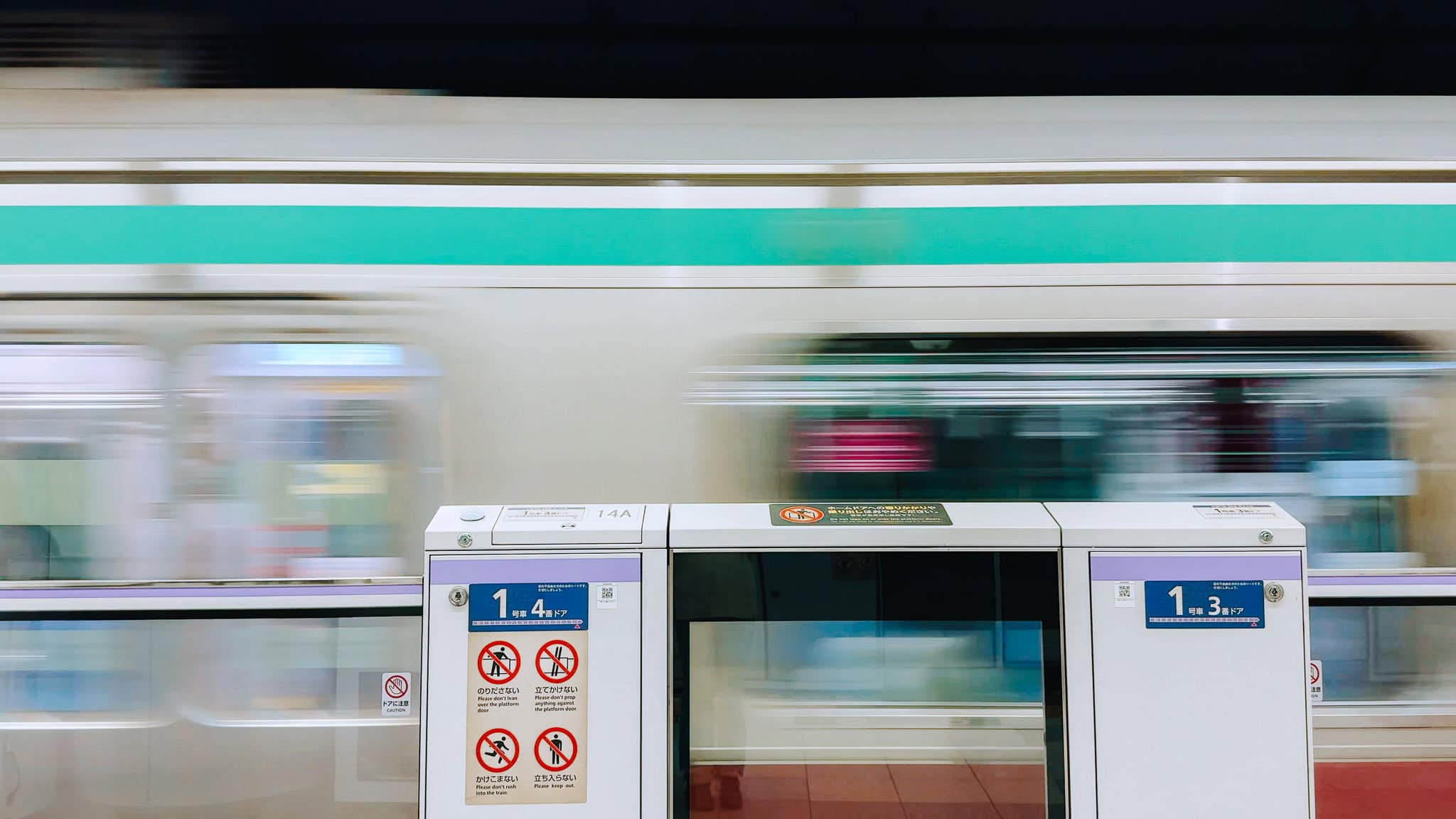
Women-only trains in Japan aren’t actually full trains. They’re specific carriages, usually at the very front or very back, reserved for women during certain times of day.
You’ll see clear signage in pink both on the train cars themselves and on the platform where you line up, often with details in English so visitors can understand at a glance.
Why Do Women-Only Trains Exist?
These women-only carriages exist for one main reason: to combat sexual harassment and groping (known as chikan) on crowded trains, especially during peak commuting hours.
In big cities like Tokyo, trains can get so packed during rush hour that you’re pressed shoulder-to-shoulder with strangers. These carriages create a safer, more comfortable space for women to commute without constantly having to be on guard.
While the idea might feel unusual if you’ve never experienced Japanese public transportation, women-only cars have been around for decades and are considered a normal part of train etiquette.
They’re not about exclusion for the sake of it: they’re about offering safety, peace of mind, and a little breathing room in one of the busiest rail networks in the world.

Who Can Use Women Only Trains in Japan
In most cases, women-only trains in Japan are exactly what they sound like: reserved for women. But there are some important exceptions you should know about before you hop on board.
In Tokyo, for example, women-only cars are typically in operation during the morning rush hour, starting from the first train of the day until around 9:30 a.m. (times can vary depending on the line).
Some lines also run them during evening rush hours, and a few regional trains may have women-only cars available all day. The exact schedule will be clearly posted on the platform signs and the carriage itself.
Specific Rules and Exceptions
Elementary school students and younger children are usually also allowed to ride, regardless of gender.
Physically or mentally disabled passengers and their caregivers can also use women-only cars.
Outside the designated hours, anyone can ride in these carriages, the “women only” restriction applies only during the posted times.

What Happens If You Break the Rules
If you accidentally board a women-only car when you’re not supposed to, no one is likely to yell at you…confrontation isn’t common in Japan. But you might get a few sharp stares or people moving away from you.
In the worst-case scenario, ignoring the rules can get you labeled as a chikan, which is not something you want associated with your trip.
If someone breaks the rules deliberately or behaves inappropriately, train staff can get involved, and consequences can include fines or even arrest. The safest move? Read the signs, follow the rules, and when in doubt, choose a regular carriage.
How to Ride the Women Only Trains
Catching a women-only train car in Japan is simple once you know what to look for. The easiest way to spot them is by their pink “Women Only” signs, which are hard to miss. You’ll find these signs in three places:
- On the platform floor where passengers line up.
- On platform pillars near the designated boarding spot.
- On the train carriage itself, usually near the doors.
These signs will also list the specific times the restriction applies, most often during weekday rush hours. If you see a time frame posted, it means that outside those hours, anyone can ride in that carriage.
During peak times, just line up in the women-only area, board when the doors open, and enjoy a quieter, less crowded space. If you’re boarding during non-restricted hours, you’ll be sharing the space with all passengers, so treat it like any other train car.
Tip: Some lines place their women-only carriages at the very front, others at the very back. If you’re unsure, look for the signs as soon as you step onto the platform, it’ll save you from running down the platform when the train arrives.

Japan Train Travel Tips & Etiquette
Japanese trains run like clockwork, but they also run on a strong culture of respect and consideration for fellow passengers. Following local etiquette will make your rides smoother and keep you from accidentally committing a “train faux pas” that turns heads for the wrong reasons.
1. Line Up and Let People Off First
When you arrive at the platform, stand to the side of the train doors, leaving space for passengers to exit. In Japan, it’s normal for people waiting to form two lines beside the doors, allowing a clear path for those getting off.
If you’re standing near the door when the train stops, step out briefly to let people behind you exit, then re-enter once everyone’s off.
Blocking the flow is considered meiwaku (causing trouble) and is one of the quickest ways to get side-eye from commuters.
2. Keep Your Volume Low
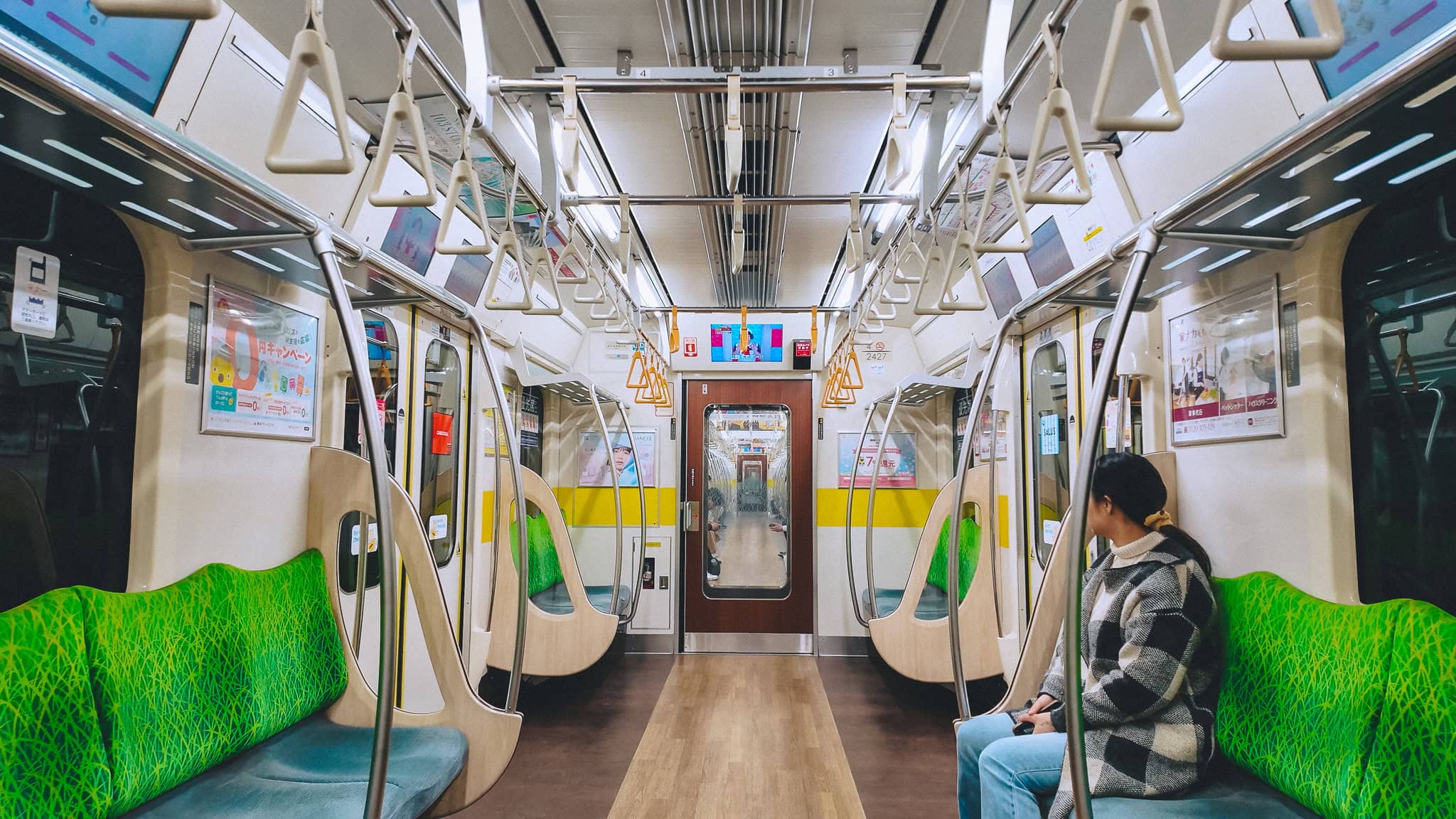
Japanese trains are famously quiet, especially during rush hour. Talking loudly, playing videos without headphones, or taking speakerphone calls is a big no-no.
If you need to chat, keep it short and soft-spoken. Many commuters use train time to read, nap, or simply zone out, so a little quiet goes a long way.
3. Be Smart About Bags
If you’re wearing a backpack, take it off and hold it in front of you or place it on the overhead rack.
This keeps you from bumping into people in crowded cars. Larger luggage should be stored out of the way, and never block doors or aisles.
4. Know What to Do If You Witness a Chikan
If you see or experience inappropriate behavior, speak up. The word to yell is “Chikan!” It alerts others that someone is harassing a passenger.
You can also move to another carriage, ask nearby passengers for help, or report it to station staff immediately. Japanese rail companies take these reports seriously.
5. Respect Priority Seating
Most trains have designated priority seats for the elderly, pregnant women, disabled passengers, and those with small children. These are usually marked with clear signage.
If you’re in one of these seats and someone who needs it gets on, offer it without hesitation.
6. Use a Metro Pass for Convenience
In Tokyo, you can buy 24-, 48-, or 72-hour metro passes for unlimited rides within the validity period. They’re not only cost-effective but also save time fumbling for tickets at each ride.
FAQs About Riding Trains in Japan
Even with clear signage and polite passengers, Japan’s train system can be intimidating for first-time visitors. Here are answers to some of the most common questions travelers ask.
What time is the women-only train in Japan?
It depends on the train company and the individual line.
In most major cities, women-only cars operate during weekday rush hours, usually starting from the first train of the day until around 9:30 a.m.
Some lines also have them in the evenings, and a few operate all day. Always check the posted schedule on the platform or carriage before boarding.
Do you have to be quiet on the train in Japan?
Yes…or at least keep your voice down. Japanese trains are known for being quiet, and talking loudly or making noise is considered rude. If you need to have a conversation, keep it short and soft.
Can you use your phone on Japanese trains?
Absolutely. Nearly everyone uses their phone on the train for reading, texting, or playing games. The only unspoken rule: keep it silent. That means no loud videos, no speakerphone calls, and ringtones set to vibrate or silent mode.

Conclusion
Women-only train cars are one of those distinctly Japanese systems that might surprise you at first, but they make a lot of sense once you understand the “why” behind them.
They’re not just a cultural quirk, they’re a practical safety measure that helps make daily commuting more comfortable for women in one of the busiest rail networks in the world.
If you’re visiting Japan, knowing how and when to ride these carriages means you’ll blend in better, travel respectfully, and avoid awkward moments.
Japan’s train system is efficient, safe, and incredibly reliable, but it works so well because passengers work together to keep it that way.
Respect the etiquette, be mindful of your surroundings, and you’ll find that train travel here isn’t just a way to get from point A to point B, it’s part of the experience.
You must be logged in to post a comment.