

How Many Days In Tokyo? With Itinerary (By A Pro!) 2026
Welcome to Tokyo, the heart-pounding capital of Japan! Having lived in Japan and traveled extensively throughout the country, we’ve experienced Tokyo from every angle: its iconic landmarks and hidden treasures alike.
Tokyo is massive, like an entire universe of experiences, teeming with a dynamic blend of modern life and rich history. Imagine strolling through towering skyscrapers, vibrant markets, serene temples, and lush gardens.
If you’re wondering how many days in Tokyo will be enough, whether it’s your first visit or a return trip, it can be quite the conundrum. We’re here to guide you through planning your days and we’ve also prepared a sample itinerary so you can fully enjoy everything the city has to offer without feeling rushed!
Plan your trip with our favorite resources
Where to Stay in Japan: check best deals
Transport & activities: klook.com (save up to 10% with code DANAYAO)
eSIM for Japan: stay connected with Airalo
How Many Days Do You Need In Tokyo?
Deciding how long to stay in Tokyo depends on your schedule and what you want to experience. If you’re also visiting other cities in Japan like Kyoto or Osaka, or following the popular Golden Route, 4-5 days in Tokyo is ideal.
This timeframe allows you to thoroughly explore key areas such as Asakusa, Ueno, Akihabara, Shibuya, Harajuku, and Shinjuku, with a day possibly set aside for Odaiba, the man-made island. You’ll also have enough time to visit Ginza, Roppongi, Ikebukuro, and the area around Tokyo Station.
For those who love the energy of big cities or photographers eager to capture Tokyo’s stunning vistas, consider staying longer. Even with an extended visit, you might feel like you haven’t seen every corner of the city!
You can use extra days to wander through local neighborhoods, explore niche museums, and relax in lesser-known parks or cozy artisan cafes.
Getting Around Tokyo
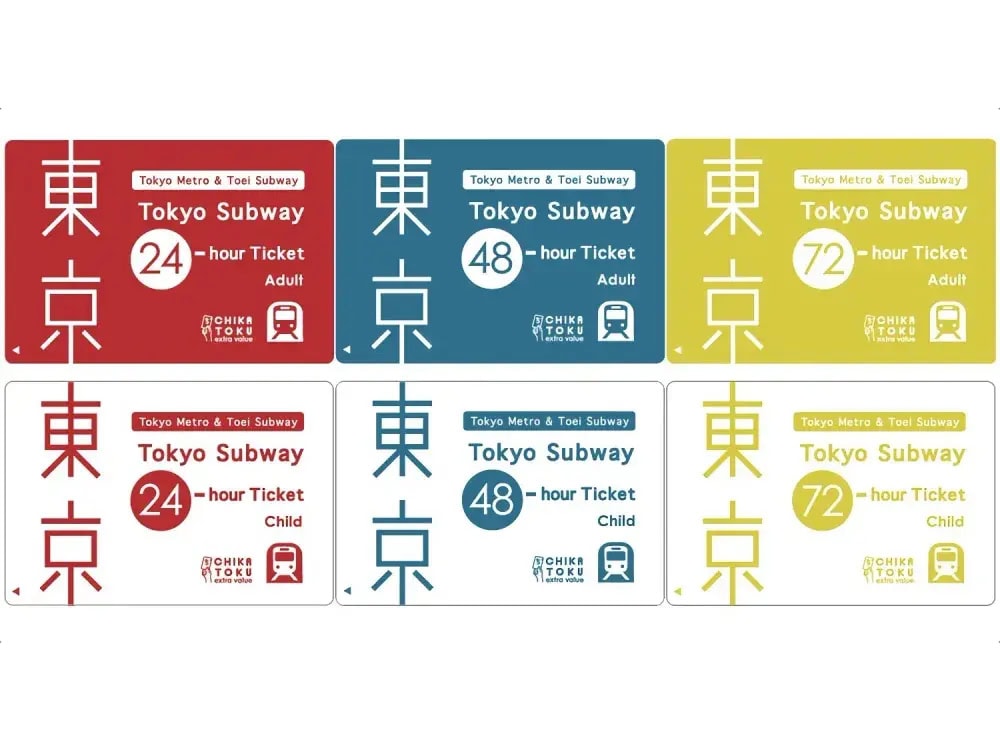
Tokyo is an incredibly walkable city, and its public transportation system is one of the most efficient and convenient in the world. The metro can take you just about anywhere you want to go, making it the best way to explore the city. To save money while getting around, consider grabbing a metro pass. It’s a budget-friendly option that offers unlimited metro rides and makes navigating Tokyo even easier!
Day Trips from Tokyo
Tokyo is also a fantastic base for day trips, offering a refreshing change of pace from the bustling urban environment. One of the most popular destinations is Mt. Fuji, Japan’s iconic and majestic landmark. The Fuji Five Lakes area provides stunning views, charming towns like Kawaguchiko, and relaxing hot springs.
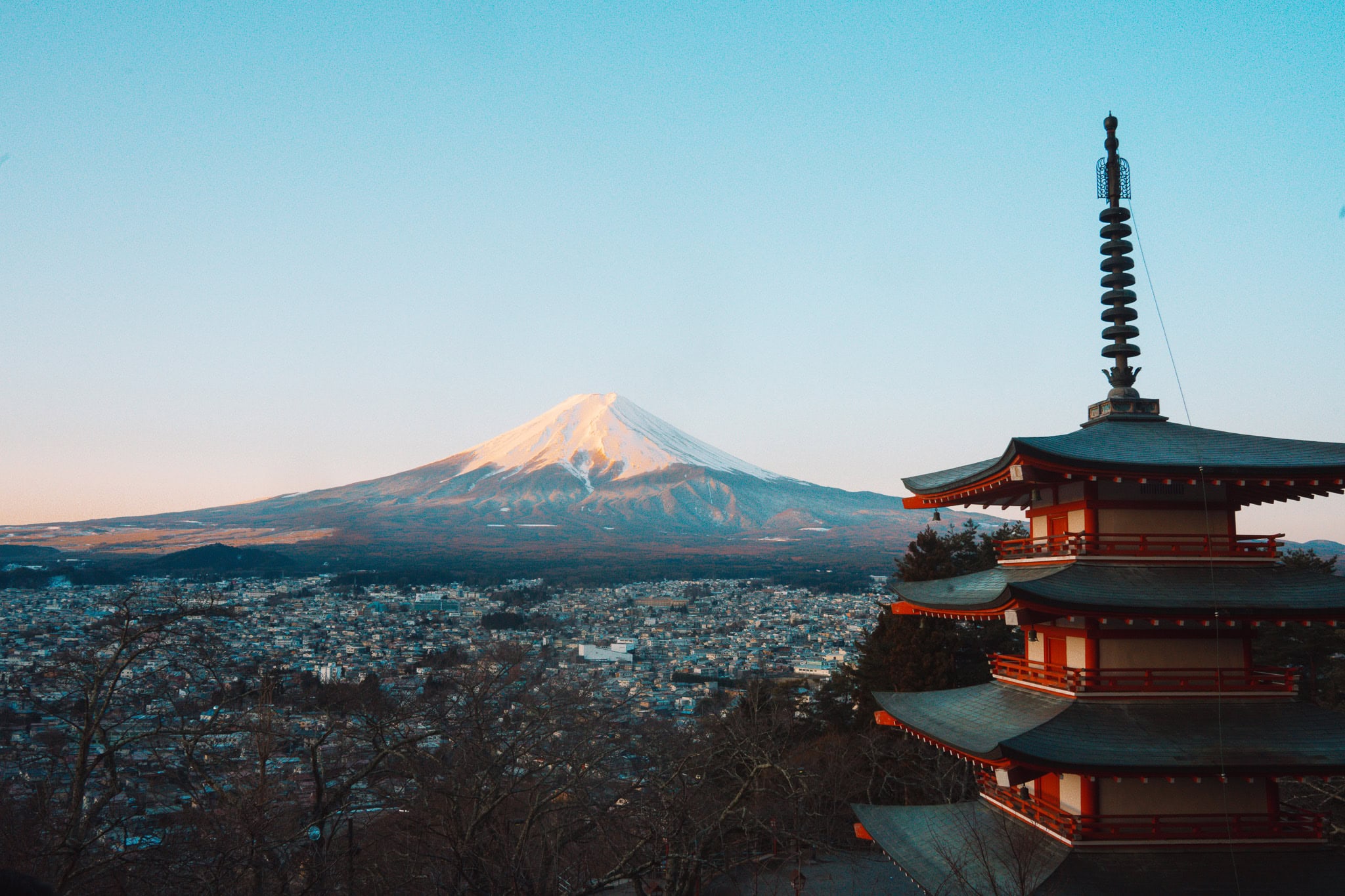
Some great day trips from Tokyo include Kamakura and Enoshima for their seaside views, historic temples like the Great Buddha, and relaxing coastal charm. In the fall, Nikko and Karuizawa are perfect for vibrant autumn leaves, cultural sites like Toshogu Shrine, and scenic mountain trails. For a touch of history, visit Kawagoe, known as “Little Edo,” with its Edo-era streets and iconic Bell Tower.
Each destination offers a unique contrast to Tokyo’s modern energy, making these trips an unforgettable addition to your journey!
Is 4 Days in Tokyo Too Much?
Not at all! 4 days in Tokyo is ideal for those looking to hit all the high notes without rushing through the experience. This period allows for a well-rounded exploration of the city’s diverse neighborhoods.
You can allocate a day each to cover major areas and their unique attractions: start with Asakusa for a touch of the traditional, Ueno for cultural enrichment, and Akihabara for tech and pop culture. Spend another day exploring the vibrant streets of Shibuya, the fashion-forward Harajuku, and the bustling Shinjuku.
If time allows, consider visiting Odaiba to experience its modern architectural marvels and leisure activities.
This itinerary balances popular tourist spots with personal downtime, ensuring a fulfilling visit to Tokyo without the burnout.

Is 5 Days Enough in Tokyo?
5 days in Tokyo is perfect for travelers who wish to get just a bit deeper into the city’s fabric, allowing for a more relaxed pace and the opportunity to explore each district more thoroughly. With 5 days, you can dedicate sufficient time to Tokyo’s major areas while also exploring off-the-beaten-path neighborhoods.
This duration also allows visits to iconic landmarks such as the Meiji Shrine, Tokyo Tower, and Tokyo Skytree, alongside time to experience the local culinary scene, from local fish markets to high end dining in Ginza.
Additionally, extra time means you can explore Tokyo’s art and cultural offerings, such as the museums in Roppongi or the historical Edo Museum in Ryogoku.
5 days in Tokyo strikes a perfect balance between sightseeing, shopping, dining, and soaking in the local atmosphere, making each moment count.
Whether you decide on 4 or 5 days, Tokyo promises an unforgettable journey filled with diverse experiences that cater to every taste and interest.

Tokyo Itinerary: 5 Days in Tokyo
For first-time visitors who’d like to get a sense of various areas of Tokyo, and based on roaming around the streets in all these areas, we’ve got you a 5-day itinerary that allows you to go a little beyond what’s just touristy!
This itinerary covers the majority of the spots in Tokyo, but it does require a lot of walking. For those who have a lower level of physical stamina, feel free to take out a couple of things: these are just a glance of what’s possible.
Day 1: Asakusa, Ueno, and Akihabara
Ease into your Tokyo adventure with a day filled with culture, history, and unique local experiences in the Asakusa, Ueno, and Akihabara areas.
Today’s journey will take you through some of Tokyo’s most iconic neighborhoods, starting the trip strong with a taste of a blend of traditional spirituality, natural beauty, and modern electronics.
Explore ancient temples, vibrant market streets, and the high-energy world of anime and gadgets, capturing the essence of Tokyo’s diverse charm.
Morning in Asakusa
Sensoji Temple: This is Tokyo’s oldest temple, dating back to 628 AD, centered around a revered golden image of Kannon, the Buddhist goddess of mercy. The approach to the temple is via the Thunder Gate (Kaminarimon), which is famous for its giant red lantern.
Beyond this gate lies Nakamise Street, a bustling shopping arcade filled with stalls selling traditional Japanese snacks, crafts, and souvenirs ideal for gifts.

Nakamise Street: As you walk through, you’ll notice many stalls selling hand-painted folding fans, traditional wooden combs and hairpins, kimonos, and yukata. The street food here includes local favorites like mochi, dorayaki, and matcha treats, and so much more, perfect for walking around and stopping at each food stall to get some brunch!
Consider a rickshaw tour around Asakusa to discover hidden gems and learn more about the area’s rich history. The staff work so hard, and they do a really good job entertaining and telling you about the history around the area, and point out local gems.
Afternoon in Ueno
Ameyoko Market: Once a post-war black market, this lively street market has evolved into one of Tokyo’s most popular destinations for fresh produce, seafood, and spices, and is a great spot for picking up affordable Japanese cosmetics, casual wear, and sports goods.
Ueno Park: This sprawling park is more than just a green space, it hosts several leading museums like the Tokyo National Museum, which houses the world’s largest collection of Japanese art, and the Ueno Royal Museum. The park is also known for its cherry blossoms in spring, making it one of Tokyo’s most popular hanami (cherry blossom viewing) spots.
Evening in Akihabara
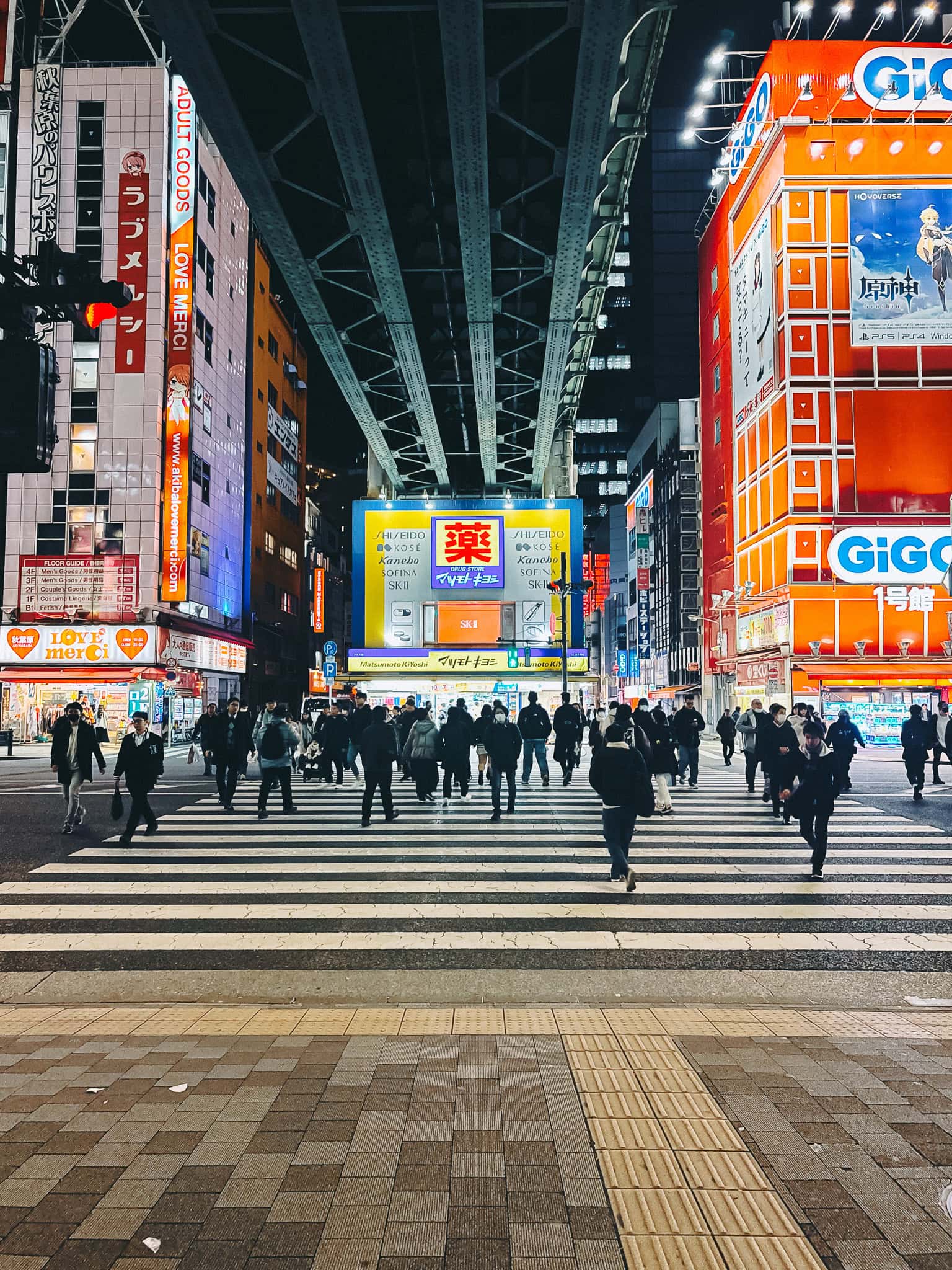
Electronics and Anime Shops: Akihabara is a haven for electronics enthusiasts and anime fans. The area is packed with stores ranging from tiny boutiques with rare manga to vast electronic emporiums that offer the latest Japanese innovations.
As well as for people who want a little extra spice: 6 floored adult shops, endless arcades, and 8 floored animate building.
Maid Cafés: These unique cafés offer a fantasy escape, where staff dressed in maid costumes treat customers like masters and mistresses in a private home, complete with performances and decorated food. Food is usually tasting okay, it’s the concept that keeps people coming.
Day 2: Shibuya, Harajuku, and Shinjuku
Dive into the heart of Tokyo’s youthful energy, exploring the vibrant districts of Shibuya, Harajuku, and Shinjuku. This day combines the serene tranquility of Meiji Shrine with the bustling, fashion-forward streets of Takeshita and the iconic Shibuya Crossing, showcasing the dynamic contrast between Tokyo’s sacred spaces and its pulsating urban culture.
As evening falls, experience the allure of Shinjuku and the neon lights of Kabukicho, where Tokyo’s nightlife comes alive with its array of bars, clubs, and unique entertainment options.
Morning Harajuku
Meiji Shrine: Set in a forest that covers 175 acres, this shrine is a tranquil haven from the city. The shrine complex includes a series of barrels of sake (nihonshu) wrapped in straw, offered every year to the enshrined deities by sake brewers from around Japan, reflecting the continuing relationship between commerce and the shrine.
Takeshita Street: Known for its colorful street art and eclectic fashion, this street is also famous for sweet treats like crepes stuffed with fresh cream and fruit, which you can enjoy while walking through the bustling area. Explore the newly opened Harakado shopping building (5 min walk from Takeshita Street) and have lunch there.

Afternoon Shibuya
Shibuya Crossing: Often featured in media as a symbol of Tokyo, the crossing is a spectacle of immense crowds and neon signs, providing a quintessential urban snapshot.
Shibuya Sky: This is the newest viewing spot in Shibuya where you get view the whole city landscape. The sunset is amazing, definitely the spot where you get to take amazing pictures along with a grass area where you can hang out! Advanced booking is required for this, so grab it here for your date!
Hachiko Statue: This statue pays tribute to the loyal Akita dog that waited for its deceased owner at Shibuya Station every day for nearly a decade, symbolizing loyalty and fidelity.
Wandering around Dogenzaka Street and Shopping: Shibuya has some of the biggest stores where you can find unique Japan-themed souvenirs: Hands, Lofts, Don Quijote… and the rest of the afternoon just wandering and admiring the buildings in Shibuya.
Evening in Shinjuku
Hop on the JR Yamanote Line to Shinjuku for bustling nightlife and entertainment.
Omoide Yokocho: Literally meaning “Memory Lane,” this area features dozens of tiny bistros and pubs (izakayas), serving yakitori (grilled chicken skewers) and other local flavors in a distinctly Showa-era environment.
Check out the Tokyo Metropolitan Building to catch a panoramic view of Tokyo before 5 pm. On selected days, you can stay outside and watch the projection mapping of Godzilla on the building!
Kabukicho: Tokyo’s most famous entertainment and red-light district. Known as the “Sleepless Town,” Kabukicho offers a vast array of bars, restaurants, nightclubs, and host/hostess clubs. It’s also home to the Robot Restaurant, known for its flashy robot performances. Despite its reputation, the area is safe, but always be cautious and mindful of overly solicitous touts.
If you are a godzilla fan, you can stay at Hotel Gracery Shinjuku, where you get to see the Godzilla head close up on the rooftop, and you can even book a room on the Godzilla floor for a themed stay.
Golden Gai: For a nightcap, wander over to Golden Gai, a small area in Kabukicho famous for its tiny, shanty-style bars and nightlife. Each bar has its own theme and character, offering a unique way to mingle with locals and international visitors alike.

Alternative for nature love:
Shinjuku Gyoen National Garden: This park blends three distinct styles: French Formal, English Landscape, and Japanese traditional. A tranquil place for more than 20,000 trees, including Tokyo’s oldest and most picturesque cherry trees.
Day 3: Man-made Island Odaiba
Odaiba, a futuristic and popular entertainment hub on a man-made island in Tokyo Bay, offers a full day of adventure with its unique attractions, shopping experiences, and recreational activities.
After spending extensive time in this beautiful area, we think this is one of the most underrated areas where it’s not in a lot of other itineraries!
Morning: Exploring Art and Miniature Worlds
teamLab Planets: Start your day with a visit to teamLab Planets, a museum that features immersive art exhibits which blend technology, art, and nature to create interactive experiences. This venue is between Ginza and Odaiba, so it’s a convenient first stop.


Expect to spend 2-3 hours here, walking through water-filled rooms and interacting with light and digital installations that respond to your presence. For more information about planning your visit to teamLabs Planet, read on here!
Small Worlds Tokyo: Next, head to Small Worlds Tokyo, the largest indoor miniature theme park in the world. Marvel at incredibly detailed miniatures including scenes from around the world, as well as popular anime settings.
This attraction offers a fascinating glimpse into intricate environments, and you can even have a miniature figure of yourself created and placed in one of the scenes.

Afternoon and evening: Dining and Entertainment
Lunch at DiverCity: Enjoy a diverse array of food options at the DiverCity Tokyo Plaza food court, which offers everything from ramen and sushi to international cuisines.
Unko Museum (Poop Museum): Visit this unique and Instagram-worthy museum dedicated to all things poop, presented in a colorful and cute manner. It’s fun, bizarre, and surprisingly educational, with interactive exhibits and games.
Unicorn Gundam Statue & Statue of Liberty Replica: After the museum, check out the life-sized Unicorn Gundam statue outside DiverCity. This towering figure transforms several times a day and lights up at night.
Nearby, you can also see a smaller replica of the Statue of Liberty, offering a quirky juxtaposition against the backdrop of Tokyo.
Shopping in Odaiba: Spend the rest of your afternoon exploring the numerous shops in Odaiba, where you can buy a wide range of goods from food and souvenirs to anime-related products like Doraemon and Hello Kitty items.

Alternative Evening: Car Culture Experience
Daikoku Car Meet: For car enthusiasts, or if you’re simply looking for a unique evening activity, consider arranging a visit to the Daikoku Car Meet. This is a popular spot for car lovers and offers a glimpse into Japan’s vibrant car culture.
It is only accessible by car, so You’ll likely need to arrange transportation to this area, which is accessible via the iconic Rainbow Bridge. This experience provides an opportunity to see a variety of customized and classic cars up close and engage with local car enthusiasts.
Day 4: Tsukiji OR Toyosu, Ginza, and Roppongi
Today, you’ll start by exploring Tokyo’s famous food scene with a visit to the Tsukiji or Toyosu fish markets for some fresh seafood. Then, head over to Ginza for luxury (window) shopping and maybe catch a traditional kabuki show.
End the day in Roppongi, where you can check out modern art and enjoy the area’s bustling nightlife. This mix of great food, high-end shopping, and lively entertainment really shows off Tokyo’s modern side.
Morning: Tsukiji
Tsukiji Outer Market: Start your day at Tsukiji, where you can explore the bustling outer market, renowned for its fresh seafood and vibrant atmosphere. Although the wholesale market has moved to Toyosu, Tsukiji Outer Market continues to thrive with food stalls, restaurants, and specialty shops.
Fresh Seafood Breakfast: Enjoy some of the freshest sushi in Tokyo at Sushi Dai and Daiwa Sushi, where the queues can be long but the wait is definitely worth it for sushi prepared with the freshest ingredients.
Alternative: Toyosu Market
Tuna Auction Tour: Sign up for a free tuna auction tour. Although you have to get up super early in the morning, it’s absolutely worth it!
Explore More: Along with the fish market, you can tour the vegetable market, getting closer to the food culture in Japan, and try some of the freshest sushi and sashimi.

Afternoon: Ginza
Shopping in Ginza: Explore international fashion houses, upscale boutiques, and traditional shops selling crafts and kimono. Ginza is also home to major department stores like Mitsukoshi and Matsuya, offering floors of exquisite Japanese and international merchandise. Ginza is the go-to for high-end dining and luxury shopping.
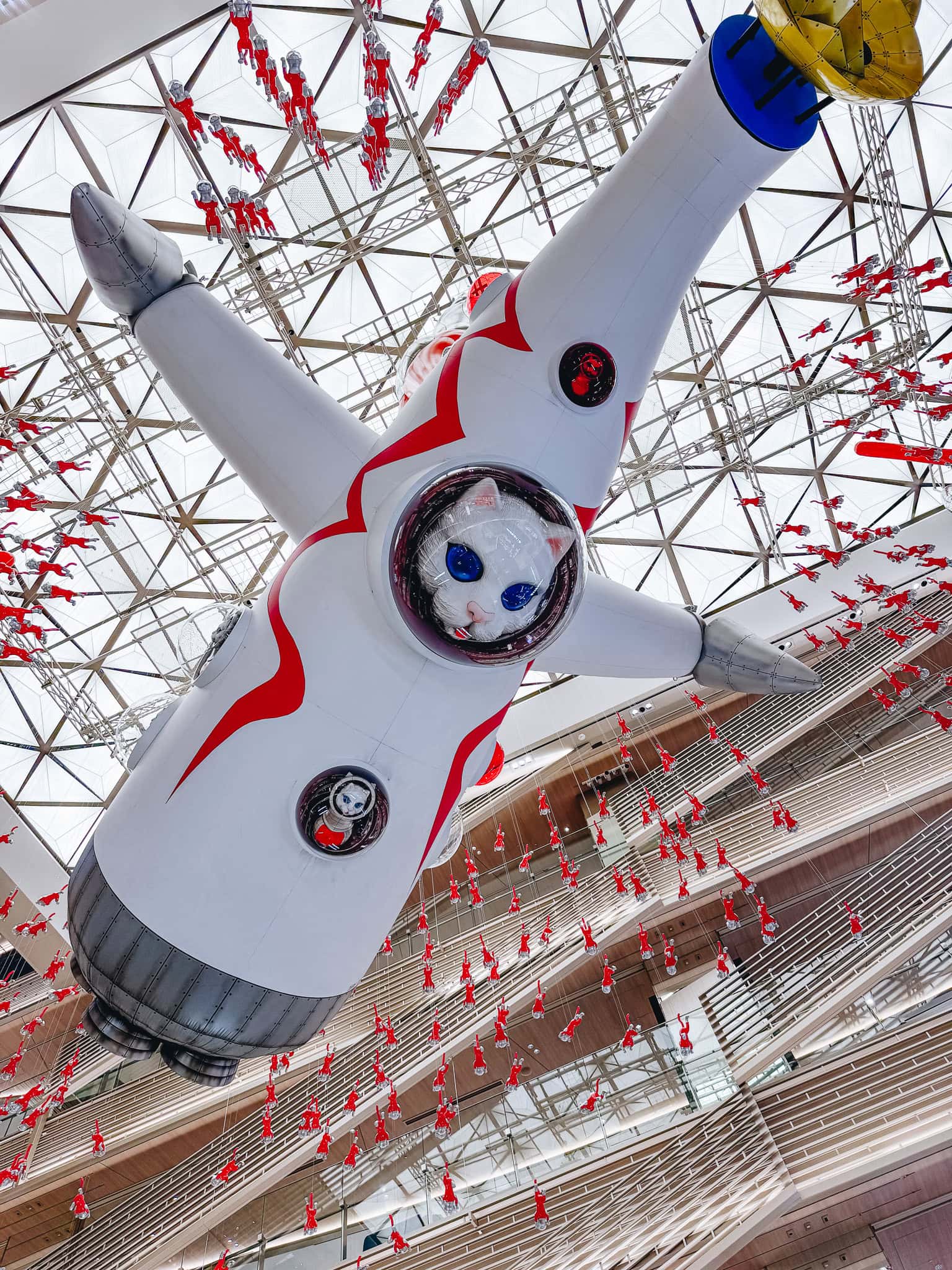

Lunch at Ginza Six: Try the clear pork broth ramen at Tsukiya, absolutely our favorite spot for lunch.
Kabuki-za Theatre: The principal theater in Tokyo for traditional kabuki drama, with English headsets available. Watching a single act is an excellent introduction to kabuki.
Evening: Roppongi
Tokyo City View: Visit the observation deck in the Mori Tower for panoramic views of Tokyo’s vast expanse. On clear days, you can even see Mount Fuji.
Azabudai Hills: Recently built, this area houses many shops and food places, including the new teamLab Borderless for those who prefer not to get wet at teamLab Planets.
Nightlife in Roppongi: If Shinjuku’s nightlife wasn’t enough, Roppongi offers many hostess clubs and bars where you can party all night.
Day 5: Ikebukuro and Tokyo Station Area
Wrap up your Tokyo tour with a day exploring the entertainment and cultural highlights of Ikebukuro and the historic elegance around Tokyo Station. This final day beautifully blends modern attractions with historical sites, ending your Tokyo adventure on a high note.
Morning: Ikebukuro
Sunshine City: Considered one of the most underrated shopping malls, this large commercial complex features an array of shops, a beautiful observatory to view the city, an aquarium, and the Ancient Orient Museum. It’s perfect for souvenir shopping with stores like Ghibli and Snoopy, and even houses the biggest gacha store in the world.

Namja Town: Located within Sunshine City, this theme park by Bandai Namco is famous for its gyoza dumpling alleys, dessert shops, and nostalgic Showa period atmosphere.
Animate: If you’re a die-hard anime fan and still looking for more, Animate offers multiple levels packed with all things anime, from rare manga to collectible figurines.
Afternoon: Tokyo Station Area
Imperial Palace: Visit the primary residence of the Emperor of Japan, set in extensive park-like grounds that include the main palace, the private residences of the imperial family, an archive, museums, and administrative offices.
Yaesu Shopping Mall and Character Street: Located underground at Tokyo Station, these themed shopping alleys feature over 30 boutiques dedicated to popular Japanese anime and TV characters, along with a row of eateries offering both local and international flavors. Plan to spend a few hours here, it’s like a maze and you might actually get lost!
Where To Stay in Tokyo
Choosing where to stay in Tokyo largely depends on your budget, but given the efficiency of public transportation, location becomes less of a constraint as long as you are near a major transit hub. Here are our top picks for places to stay in Tokyo, catering to different budget levels:
📍Budget Option
Capsule hotels: If you’re looking for super cheap options and don’t mind sharing spaces with others, check out this capsule hotel in Tokyo: The Global Hotel Tokyo. It’s got everything you need for the night and it saves you money.

Budget hotel: For a lower-budget hotel, Koko Hotel is a great option. The best thing about this hotel is its location in the heart of Ginza: where you not only have access to all the shopping but can also walk to Tokyo Station.
This makes it perfect for connecting travel days if you need to pass through Tokyo Station. The rooms are small, but you get access to a hotel lounge to relax in and a full bathroom for added comfort.

📍Mid-Range Option
For a mid-range option, check out Park Hotel Tokyo, where you can enjoy stunning views of Tokyo Tower straight from your room without breaking the bank. The hotel offers great amenities and features an artistic concept that makes your stay even more special.


Read our detailed review of Park Hotel Tokyo here!
📍Luxury Option
Tokyo is never short of luxury accommodations. The Tokyo Toranomon EDITION offers breathtaking views of Tokyo Tower, along with top-notch service and amenities.

If you’re a fan of the Muji brand, you’ll love Muji Hotel Ginza. This is the perfect opportunity to stay at one of Muji’s hotels, featuring beautiful interior design and products from Muji, from bedding to furniture.

Visiting Tokyo FAQs
Tokyo is an exciting city that caters to all kinds of travelers, from history enthusiasts to fans of cutting-edge technology. As you plan your visit, here are some common questions:
How to prepare for trip to Tokyo?
For the things you need to do upon arrival to ensure a smooth trip, we’ve covered everything from currency to handling luggage in our guide here!
Is Tokyo friendly to American tourists?
Tokyo is very welcoming to American tourists. People are generally eager to help, even if there’s a language barrier. You’ll find many signs and menus in English, especially around tourist areas.
To make a good impression, learning a few basic Japanese phrases and understanding local customs can go a long way, respecting these norms is highly valued in Japan.
Do people in Tokyo speak English?
While not everyone in Tokyo speaks fluent English, basic English is widely understood in tourist-friendly areas such as major hotels, shopping centers, and train stations. Over the past few years, the number of English speakers has noticeably increased, making communication easier than ever. Additionally, mobile translation apps can help bridge any gaps.
Is Japan expensive for tourists?
Japan can be expensive, but costs vary widely depending on your travel style. Tokyo offers everything from luxury hotels and upscale dining to budget hostels and affordable eateries. Public transportation is efficient and reasonably priced, but expenses for tourist attractions, dining out, and shopping can accumulate quickly if you’re not cautious.
With the current exchange rate, traveling to Japan and spending time in Tokyo might not be as costly as you’d expect. However, it’s still wise to do more research and set a budget.
Conclusion
Tokyo is a city that offers an endless array of experiences, catering to every type of traveler. From the incredible food scene and historic sightseeing spots to cutting-edge entertainment and shopping, Tokyo has it all.
For first-time visitors, spending 4-5 days in Tokyo provides a solid introduction to this bustling metropolis, especially when combined with trips to other Japanese cities. We’ve also provided a detailed itinerary and some helpful suggestions to ensure you make the most of your visit. Tokyo is a city that’s always ready to amaze, and we can’t wait for you to explore its vibrant culture and attractions!
You must be logged in to post a comment.