
What to Pack for Japan: A Complete Season-by-Season Packing Guide
Packing is probably the least fun part of trip planning, at least for me. But for a big international trip like Japan, it matters more than you might expect.
You’ll be walking a lot, moving between cities, dealing with changing weather, and navigating trains and stations where bulky luggage quickly becomes a hassle. We still remember packing for our first move to Japan, and since then, we’ve made countless trips back and forth across every season.
Over time, we’ve learned what actually gets used, what ends up untouched at the bottom of the suitcase, and what genuinely makes traveling around Japan easier.
This guide breaks down exactly what to pack for Japan, starting with year-round essentials and then going season by season.
The goal isn’t to bring your entire closet, but to pack smart, stay comfortable, and avoid the common mistakes that can make an otherwise great trip more stressful than it needs to be.
Plan your trip with our favorite resources
Where to Stay in Japan: check best deals
Transport & activities: klook.com (save up to 10% with code DANAYAO)
eSIM for Japan: stay connected with Airalo
What You Need for Any Japan Trip (Year-Round)
No matter when you’re visiting, there are a few things you’ll want to have covered before thinking about seasonal packing. These are the basics that make traveling around Japan smoother and less stressful.
Travel Essentials
Passport and visa (if applicable): Always double-check entry requirements before your trip.
Your first accommodation address (printed or saved offline): This is useful for immigration forms and helpful if your phone dies.
Copy of your passport and emergency cash: Keep these in a separate bag, just in case.
Travel insurance: Japan is safe, but medical care can be expensive without coverage.
Phone, wallet, cash, and a coin pouch: Cash is still widely used, and coins add up quickly.
Portable battery and power adapter: You’ll rely on your phone for navigation, trains, and translations.
Medications: Bring what you need, but make sure they’re legal in Japan before packing. Check this list before packing them.
Clothing and Personal Items
Underwear and socks: You’ll be doing laundry more often than outfit repeating.
Comfortable walking shoes: Expect 10,000 to 20,000 steps a day, easily.
Deodorant: Not as widely available or strong in Japan, no one wants to smell sweaty on a crowded train. After a full day out and a packed train ride, you’ll want it.
Bags and Organization
Day bag, sling, or small backpack: Something lightweight and easy to carry all day.
Packable laundry bag or hamper: Helps keep clean and dirty clothes separated.
Ziplock bags: Surprisingly useful for snacks, toiletries, and wet items.
Extra plastic bags: Great for trash, shoes, or unexpected rain situations.
Comfort and Convenience
Travel pillow: Especially helpful for long flights or train rides.
Compression socks: Good for flights and long walking days.
Noise-canceling headphones: Trains are quiet, flights are not.
Small first aid kit: Useful to have on hand for blisters or minor issues. If the kit have a small scissor, do put it in your checked luggage.

What Not to Bring to Japan
Just as important as knowing what to pack is knowing what you can leave at home. Japan is easy to shop in, and overpacking only makes getting around harder.
Socks with holes: You’ll be taking your shoes off more often than you might expect, at temples, traditional accommodations, and sometimes even restaurants. Bringing socks in good condition saves you from an awkward moment later.
Overly revealing tops: Japan tends to dress more conservatively, especially outside of nightlife areas. Tops that show a lot of cleavage or midriff aren’t common and will definitely stand out. You don’t need to dress formally, just keep things comfortable and covered.
Illegal or restricted medications: Some medications that are common elsewhere are restricted or illegal in Japan. Always check in advance to see if your prescription or over-the-counter meds are allowed, or if you need special documentation.
What to Pack for Japan in Spring (March to May)
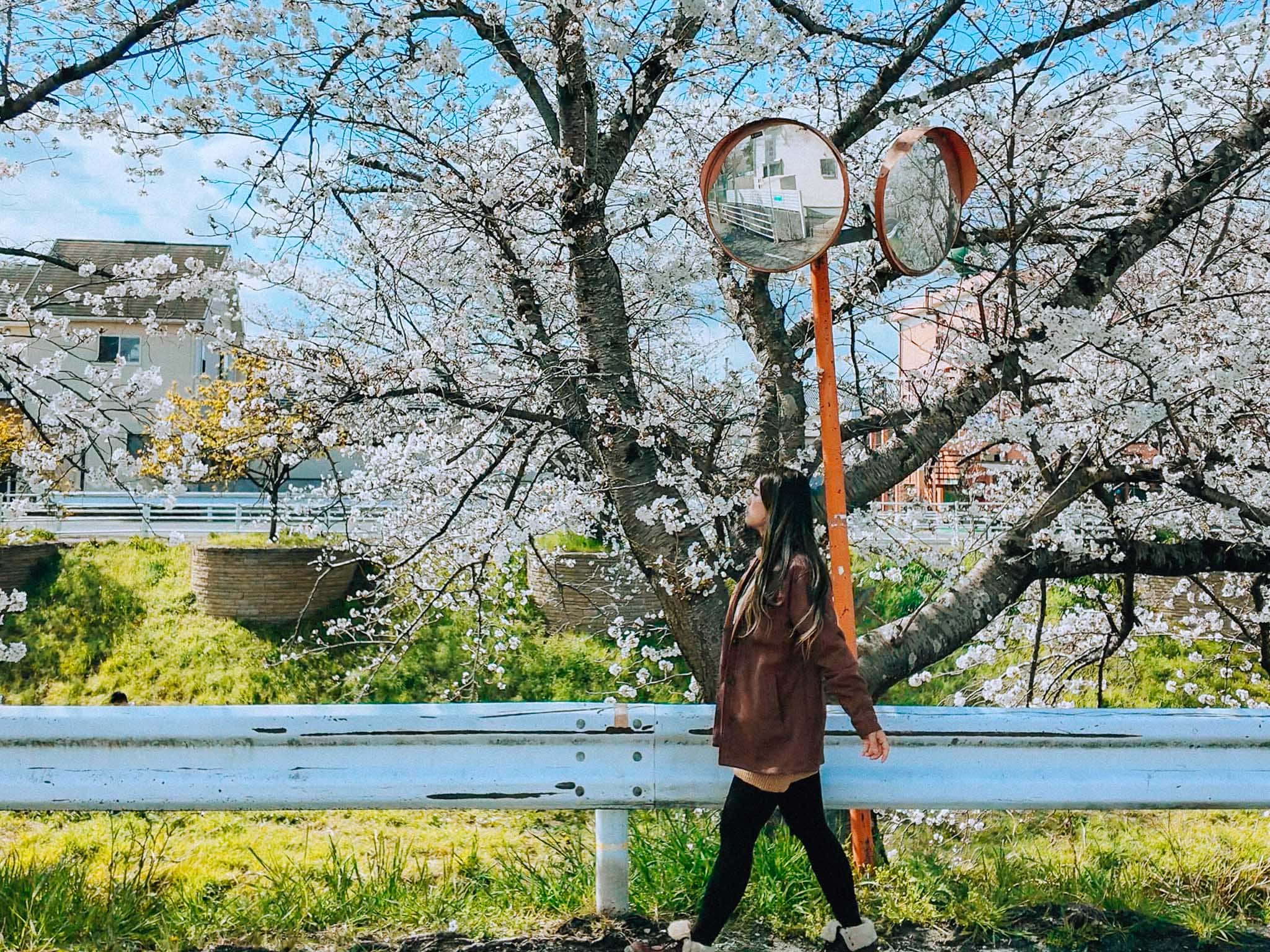
Spring is one of the most popular times to visit Japan, but the weather can be a little deceptive. Days can feel mild and sunny, while mornings and evenings are still quite cool. Temperatures usually range from about 45°F to 70°F (7°C to 21°C), depending on where you are.
Lightweight sweater: Spring mornings and nights can feel chilly, especially in March and early April. A sweater you can easily put on or take off is essential and gets used more than you’d expect.
Light Jacket: This is one of the most important spring items. Even when it’s cool outside, trains and shops often have the heat turned up. A light jacket lets you stay warm outdoors without overheating indoors.
Comfortable, closed-toe shoes: Spring means a lot of walking, cherry blossom viewing, and standing around parks and temples. Comfortable shoes that work in both cool and mild weather are a must.
Easy Layers: Long-sleeve tops, light cardigans, or thin hoodies are great options. You’ll often start the day bundled up and end it in just one layer.
Spring in Japan isn’t cold, but it’s not consistently warm either. Packing flexible layers makes moving between outdoor sightseeing and indoor spaces much more comfortable.

What to Pack for Japan in Summer (June to September)
Summer in Japan is hot, humid, and intense, especially from late June through August. Daytime temperatures typically range from 75°F to 95°F (24°C to 35°C), but humidity often makes it feel much hotter.
The goal for summer packing is staying cool, dry, and comfortable.
Moisture-wicking clothing: Breathable, quick-dry fabrics make a huge difference. Cotton tends to hold sweat, while lightweight technical fabrics dry faster and feel more comfortable throughout the day.
Sunscreen and a sun hat: The sun is strong, and you’ll spend hours outside walking and sightseeing. Sunscreen is a must, and a hat helps keep the heat off your face and neck.
Deodorant: You’ll be sweating more than usual, and deodorant options in Japan can be limited or milder than what you’re used to. This is one item you’ll want to bring from home.
Lightweight umbrella or UV umbrella: Summer overlaps with Japan’s rainy season, and sudden downpours are common. A UV umbrella also provides shade and helps keep you cooler while walking.
Comfortable, breathable shoes: You’ll still be walking a lot, but sweaty feet are real in summer. Shoes that breathe well and dry quickly are a big plus.
You can buy many of these items once you’re in Japan, but if you have strong brand preferences or sensitive skin, it’s easier to pack them from home.
Japan’s summer weather can be tricky if you’re not prepared. We break down everything you need in our full summer essentials guide.


What to Pack for Japan in Fall/Autumn (October to November)
Fall is one of the most comfortable times to visit Japan. The weather is generally mild, with cooler mornings and evenings and pleasantly warm days. Temperatures usually range from 60°F to 80°F (15°C to 27°C), depending on the region.
The key to fall packing is light layers.
Lightweight sweater: Cooler mornings and evenings are common, especially later in the season. A sweater is easy to throw on and works well for day-to-night sightseeing.
Light jacket (preferably water-resistant): A thin jacket is perfect for fall weather and comes in handy on cooler days or when it rains. Water resistance is a bonus, as fall can still see occasional showers.
Long-sleeve tops: These are great for transitional weather and easy to layer under a jacket or sweater when needed.
Comfortable walking shoes: You’ll still be walking a lot, and fall is prime sightseeing season. Comfortable shoes that can handle long days out are essential.
Sunscreen: Even though it’s cooler, the sun can still be strong, especially during midday. Sunscreen is still worth packing.
Fall weather in Japan is relatively easy to pack for, but having a few layers makes all the difference as temperatures shift throughout the day.

What to Pack for Japan in Winter (December to February)
Winter in Japan can be colder than many travelers expect, especially in January and February. Temperatures often range from 30°F to 55°F (−1°C to 12°C), depending on the region. Snow is common in northern Japan and mountainous areas, while cities like Tokyo and Kyoto are cold but usually dry.
The key to winter packing is warm layers you can easily remove.
Insulated jacket or puffer: A warm, high-quality puffer jacket makes a big difference when you’re outside. Lightweight but well-insulated options are ideal since you’ll still be walking a lot.
Thermal base layers: Thermals are one of the most useful winter items. They keep you warm outdoors without adding bulk and are easy to layer under everyday clothes.
Sweaters or fleece layers: These are great for adding warmth without committing to a heavy coat indoors. Japan tends to overheat trains, shops, and restaurants in winter.
Beanie, gloves, and scarf: Cold mornings and evenings are common, especially if you’re out early or staying out late. These small accessories add warmth without taking up much space in your bag.
Warm, comfortable shoes: You’ll still be walking long distances, and cold feet can make winter sightseeing miserable. Shoes with thicker soles or room for warm socks help a lot.
Winter travel in Japan is very doable and often less crowded, but packing smart layers makes the experience far more comfortable as you move between cold outdoor air and overheated indoor spaces.
What to Pack for a Japan Ski Trip
If you’re heading to Japan for skiing or snowboarding, packing looks a little different. The good news is that most ski resorts in Japan make it easy to rent bulky gear, so you don’t need to bring everything from home.
Focus on base layers and personal comfort items, and rent the rest.
Thermal base layers (tops and bottoms): These are essential for staying warm on the slopes. Look for moisture-wicking fabrics like merino wool or technical synthetics to keep sweat from making you cold.
Ski socks: Proper ski socks keep your feet warm and provide cushioning inside ski or snowboard boots. They’re designed to fit higher up the leg and are much more comfortable than regular socks.
Mid-layer insulation: Fleece or lightweight insulated layers help regulate body temperature and can be adjusted depending on how cold it is that day.
Neck warmer or balaclava: Cold wind on the slopes can be intense. A simple neck gaiter or face covering makes a noticeable difference.
Goggles and gloves (optional but recommended): While these can usually be rented, many people prefer bringing their own for comfort and fit.
Most Japanese ski resorts offer rentals for outerwear, skis, snowboards, helmets, and boots. Availability is generally good, but it’s still worth double-checking what your specific resort provides before you arrive.
What to Pack for a Trip to Japan with Family
Traveling to Japan with family is very doable, but a little extra planning goes a long way. The goal is to stay organized, comfortable, and flexible, especially on long days out.
Day bag with compartments: A backpack with easy-access pockets makes it much easier to carry snacks, water, wipes, and small essentials without constantly digging around.
Comfort items: Familiar items like a small toy, book, or travel pillow can help during long train rides or late evenings.
Snacks: Convenience stores are everywhere, but having a few familiar snacks on hand helps prevent meltdowns when hunger hits at inconvenient times.
Wet wipes and hand sanitizer: Public restrooms are clean, but soap isn’t always available. These are especially useful when traveling with younger kids.
Japan is very family-friendly, and once you’re packed smartly, getting around with kids is not too bad.


Japan Packing Tips and Tricks
Packing well for Japan is less about bringing more and more about bringing the right things.
Pack light if you can: You’ll likely end up shopping, whether it’s clothes, souvenirs, or snacks to bring home. Lighter luggage makes trains, stairs, and station transfers much easier.
Think in layers: Weather can change throughout the day and varies by region. Layers let you adjust easily when moving between outdoor sightseeing and overheated indoor spaces.
Plan for walking: Japan is a walking-heavy destination, even if you’re taking trains everywhere. Comfortable shoes and clothing matter more than having lots of outfit options.
Remember you can buy things in Japan: Pharmacies, convenience stores, and clothing shops are everywhere. If you forget something minor, you’ll almost always be able to replace it easily.
Conclusion
Packing for Japan doesn’t have to be overwhelming.
You don’t need your entire closet, and you don’t need to pack for every possible scenario. Focusing on comfort, layers, and season-appropriate essentials will take you much further than overpacking ever will.
Once you’ve got the basics covered, Japan is an incredibly easy place to travel. Pack smart, travel light, and let the rest of the experience unfold naturally!
You must be logged in to post a comment.