

How To Buy Train Tickets in Japan: Complete Guide to Costs, Passes, and Shinkansen
Japan is probably the most convenient country in the world when it comes to trains.
From Tokyo’s dense metro system to the Shinkansen that links major cities, trains connect everywhere from the biggest hubs to the smallest towns. Unlike the United States, where you basically can go nowhere without a car, Japan relies on trains for everyday life.
Japanese trains are clean, efficient, and almost freakishly punctual. After living and traveling extensively here, we are still impressed by how seamlessly the system works. No wonder there are lots of train fans in Japan!
In this guide, we break down Japan train tickets explained in full detail: how they work, how much they cost, where to buy them, and which passes actually make sense for your trip.
By the end, you’ll know exactly how to buy train tickets in Japan without the stress of guesswork.
Plan your trip with our favorite resources
Where to Stay in Japan: check best deals
Transport & activities: klook.com (save up to 10% with code DANAYAO)
eSIM for Japan: stay connected with Airalo
How to Buy Train Tickets in Japan
How you buy train tickets in Japan really depends on what kind of ride you’re taking.
There are 3 main ways: buying them in person, using a rechargeable IC card, or reserving your tickets online.
Each option works best for different situations, so let’s break them down.
In Person
Buying tickets in person is still one of the most common methods, especially if you’re traveling on the spot or want extra reassurance.
You can buy both short-distance and long-distance tickets this way.
Short-distance usually means metro, subway, or local JR trains where you’re just going stop-to-stop. Long-distance means intercity routes, like taking the Shinkansen, where you’ll likely want to reserve a seat.
You can get tickets from machines, which often have English instructions, or by speaking with staff at the ticket counter (called Midori no Madoguchi at JR stations).
To issue a ticket, you’ll be asked for details like how many travelers are in your group, your travel date, departure and destination stations, whether you want an ordinary seat or Green Car (first class), whether you prefer reserved or non-reserved seating, and even which train and departure time you’d like.
Once everything is set, you’ll get a printed ticket showing all the details, including seat numbers if you reserved a Shinkansen.

IC Card
An IC card is Japan’s rechargeable transportation card that makes short-distance travel effortless.
Cards like Suica and Pasmo can be used on trains, subways, and buses, but also at convenience stores, vending machines, and even some lockers.
To use it, you just tap the card against the reader at the ticket gate, and the fare automatically deducts. Topping up is just as simple: machines at train stations let you reload with yen in seconds.
An IC card is the easiest choice if you’re sticking to city travel and don’t want to bother buying single-ride tickets every time.
The one limitation noted: IC cards won’t cover long-distance trips like the Shinkansen, so you’ll still need a separate ticket for that.

Online
If you prefer planning ahead, you can also buy train tickets online.
This is most common for Shinkansen tickets, regional passes, or special sightseeing trains. Once purchased, you’ll usually receive a QR code you can scan at the station to print your physical ticket.
This is especially useful for popular trains like the Sagano Romantic Train in Kyoto, which sells out quickly.
Online booking also works for passes, such as the JR Pass or Tokyo Metro Pass. Buying in advance saves time on the ground and ensures you’re not scrambling at the ticket counter during peak travel seasons.
The only thing to note is that while you can buy Shinkansen tickets online, you’ll still need to finalize that at the counter once you’re in Japan if you want a very specific reserved seat.
How Do You Pay for Train Tickets in Japan?
Paying for train tickets in Japan is super straightforward, but the options vary a little depending on what kind of ticket you’re buying.
For local tickets and IC card top-ups, cash is still the most common method. You’ll see plenty of travelers at the ticket machines feeding in coins and bills to grab a quick metro ticket or reload their Suica. Some machines also accept credit cards, but not all of them, so it’s smart to keep yen handy.

For Shinkansen and long-distance tickets, you’ll usually have more flexibility. At JR ticket counters and major vending machines, both cash and credit cards are widely accepted. This makes it easy to pay for big-ticket rides without carrying a huge stack of yen.
And of course, if you’re using an IC card, your payment is already sorted. You just tap at the gate, and the fare is automatically deducted from your balance. The only time you’ll need to think about payment again is when you top it up at a machine.
So, the simple rule: have yen ready for local tickets and IC cards, and use either cash or credit card for Shinkansen or reserved seats.
If you’re fresh off the plane and wondering how to get yen in the first place, check out our full logistics guide for arriving in Japan: it covers ATM access, exchange tips, and how to avoid common money headaches.

How to Buy Japan Train Tickets Online
If you like having everything sorted before you even set foot in the station, buying your Japan train tickets online is the way to go.
This option is especially popular for long-distance journeys like the Shinkansen or for special trains that often sell out.
The process is simple. You’ll need to enter the basics: how many people are traveling, your travel date, departure and destination stations, and whether you want ordinary or Green Car seats. For Shinkansen, you can also select reserved or non-reserved seating, though some routes during peak holidays may switch to reserved-only.
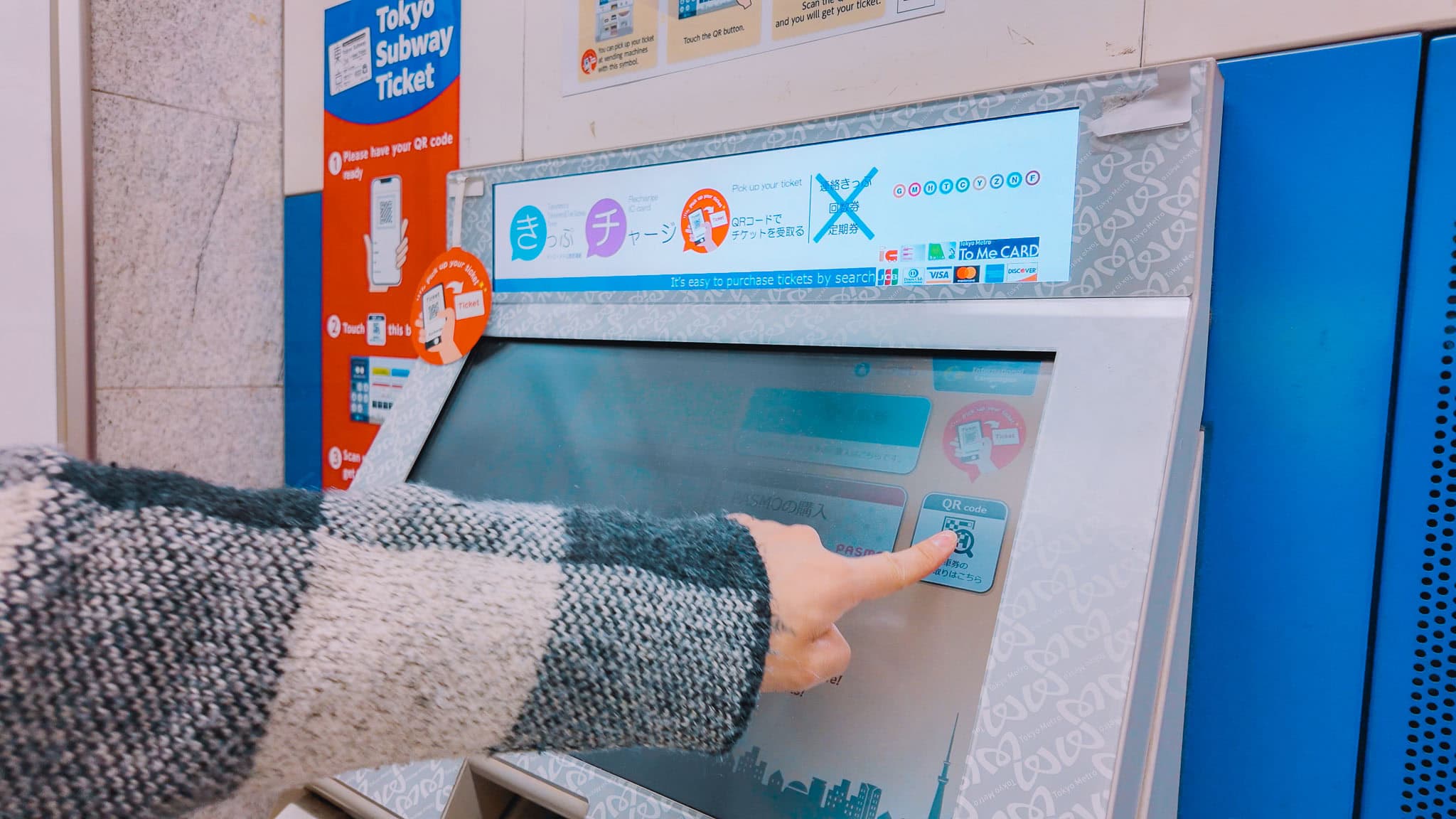
Once you book, most platforms issue a QR code that you can scan at the station to print your physical ticket.
How to Buy Shinkansen Tickets
The Shinkansen, Japan’s famous bullet train, is one of the smoothest and fastest ways to travel between cities.
Buying tickets is also very straightforward, but you’ll need to provide a bit more detail than you would for a short local ride.
When purchasing, you’ll be asked for:
The number of travelers; your travel date; departure and destination stations; ordinary or Green Car (first class); reserved or non-reserved seating; train name and departure time.
Buying in Person
The easiest way to buy a Shinkansen ticket in person is to head straight to a JR Travel Service Center or a ticket counter inside a major station.
Let the staff know you’d like to purchase a Shinkansen ticket, share the details above, and they’ll print your tickets on the spot. If you’re unsure about train names or times, the staff can look up the best options for you.

Buying Online
If you are terrified of in person interaction, you can also book Shinkansen tickets online through official JR websites or on Klook.
The booking process asks for the same details, and you’ll usually get a QR code or booking confirmation to scan at the station.
The one catch: if you want a very specific reserved seat, it’s sometimes easier to finalize that in person at the counter.
Pros and Cons
Both options work, so it really depends on your travel style.
Buying in person means you deal with a real person who can double-check that your ticket matches your plans: fewer mistakes, more reassurance.
Online booking is faster, avoids the language barrier, and lets you lock in your train before you even arrive. The downside is that if you make a mistake with the booking, it’s on you to sort it out at the station.
For a full breakdown of everything you need to know about taking the Shinkansen on your trip, check out our complete Shinkansen ticket guide.

How Much Are Train Tickets in Japan?
Train fares in Japan vary a lot depending on the type of train and the distance you’re traveling.
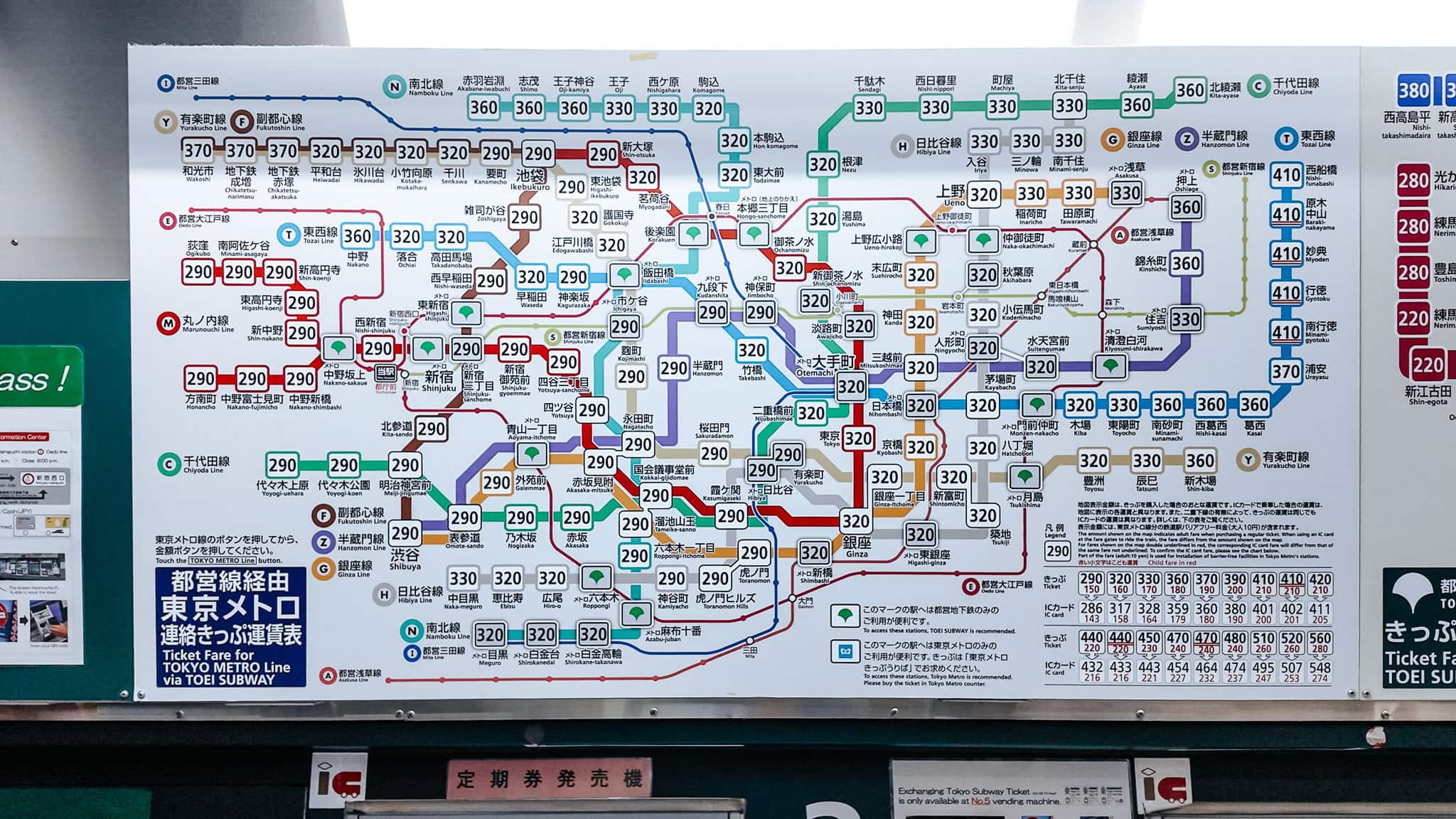
For short rides within a city, like metro lines in Tokyo or local JR trains, fares usually fall between ¥120 and ¥400. These tickets are cheap, straightforward, and perfect for hopping between neighborhoods.
For long-distance trips, like taking the Shinkansen, prices jump significantly.
A one-way ticket can cost anywhere from a few thousand yen to nearly ¥20,000 depending on the route, seat type, and how far you’re traveling.
For example, a Tokyo to Kyoto Shinkansen ticket in an ordinary reserved seat is around ¥13,000, while a Tokyo to Osaka ride in a Green Car can push closer to ¥20,000.
Special sightseeing trains are usually much cheaper. The popular Sagano Romantic Train in Kyoto, for example, costs around ¥880 for a one-way ticket, making it a fun and affordable side trip.
In short: local trains are inexpensive, Shinkansen tickets are a bigger investment, and sightseeing trains fall somewhere in between. That’s why passes can be so helpful, in some cases, they’ll save you a lot of money compared to buying tickets individually.
Should You Buy Japan Train Tickets in Advance?
The short answer: sometimes. Whether or not you need to book ahead depends entirely on the type of train you’re taking.
You should book tickets in advance for these:
For Shinkansen and other long-distance trains, booking in advance is highly recommended, especially if you want guaranteed seats.
During busy travel seasons like cherry blossom season, Golden Week in May, or New Year holidays, trains sell out quickly.
On the Tokaido Shinkansen (Tokyo to Kyoto/Osaka), some trains even switch to reserved seats only during peak times, so advance booking is your safest bet.
For special sightseeing trains, like the Sagano Romantic Train in Kyoto, advance reservations are essential. These trains have limited capacity and are extremely popular, so don’t wait until the day of.
If you’re buying regional passes that require in-person redemption, it’s usually easiest to reserve them online first. For example, the Tobu Pass for visiting Kawagoe can be purchased online and then picked up once you arrive.
The pass doesn’t activate until you actually start using it, and if your plans change and you never redeem it, you’ll typically be able to get your money refunded.
You don’t need to book tickets in advance for these:
For regular local trains: subways, city JR lines, or short-distance routes…there’s no need to book in advance.
These trains don’t require reservations, and you can simply buy a ticket or use your IC card on the day you travel.
So the rule of thumb: book ahead for Shinkansen, special trains, and passes, but relax and go with the flow for local lines.
Best Train Passes to Consider for Your Japan Trip
If you plan to ride trains often while in Japan, a rail pass can save both time and money.
The best one for you depends on where you’re traveling and how much ground you want to cover. Here are the most useful passes for first-time and repeat travelers.
JR National Pass
The most famous option is the Japan Rail Pass (JR Pass), available in 7, 14, or 21-day versions. It gives you unlimited rides on JR-operated trains nationwide, including most Shinkansen lines.
This pass is ONLY ideal if you’re planning to hop between cities…think Tokyo, Kyoto, Osaka, and Hiroshima, and a couple of more cities all in one trip.
So here’s the catch: it only makes sense if the total cost of individual tickets adds up to more than the pass itself. If you’re only traveling within one region or sticking to one or two cities, it won’t be worth it.
We’ve put together a full breakdown on whether the JR Pass is worth it and how to calculate the savings for your itinerary.
JR Regional Passes
If unlimited JR train travel appeals to you but you’re staying in one area, a regional JR pass will likely be a better deal.
Some popular options for the wider Tokyo area include the JR Tokyo Wide Pass, the JR East Pass (Nagano, Niigata area), and the JR Hokuriku Arch Pass.
If you are visiting Osaka and Kyoto, one of the best value passes is the Kansai Mini Pass, which covers unlimited rides around Kyoto, Osaka, Nara, and Kobe. If you’re basing yourself in Kansai and doing a few day trips, this one pays for itself very quickly.
There are dozens of these regional passes across Japan…each one covers unlimited travel within its designated area for a set number of days. The key is to check whether your planned routes fall inside the coverage zone. If they do, you can save a lot.
Within Tokyo
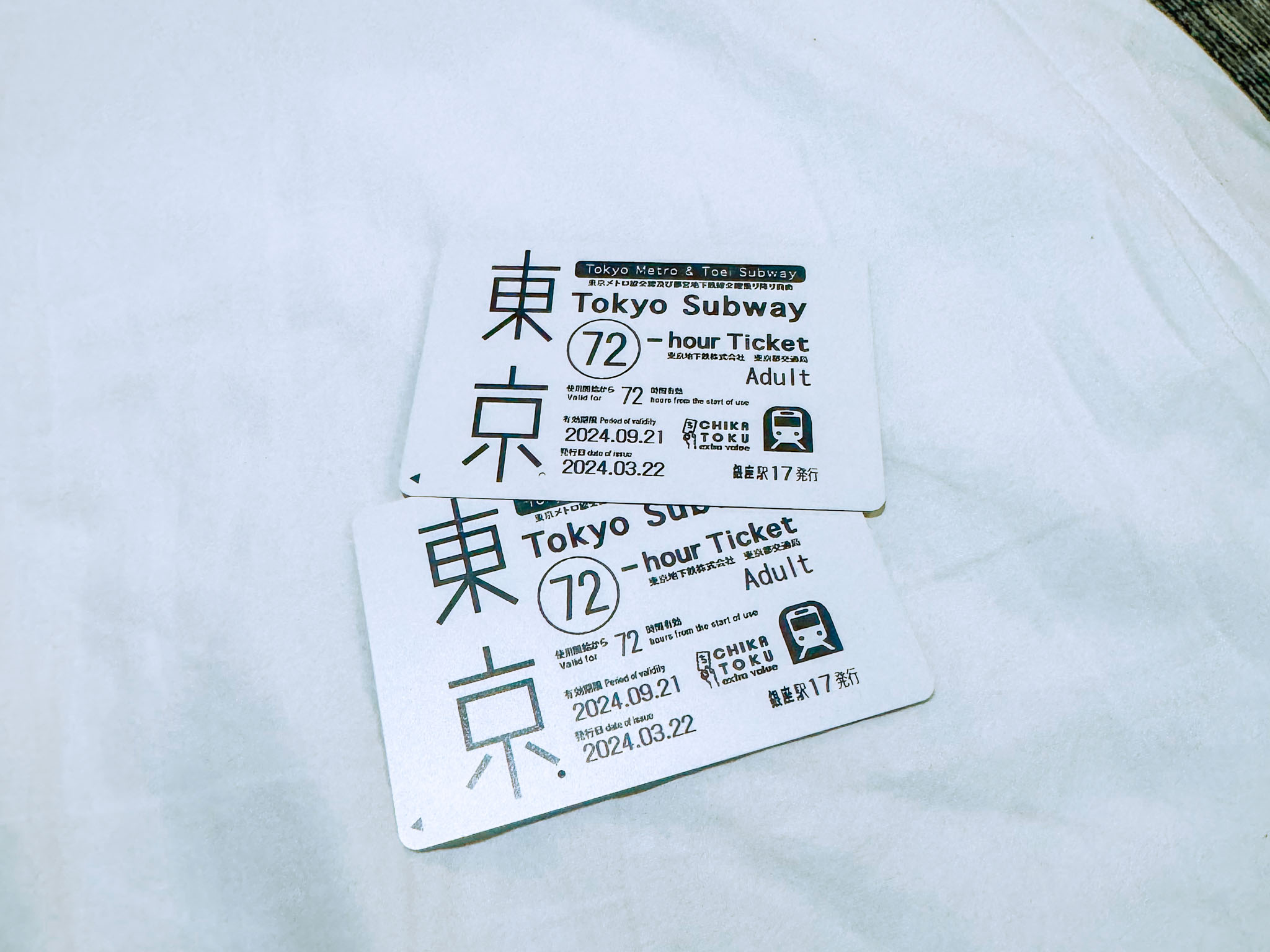
In Tokyo, the Tokyo Subway Pass (also called the Metro Pass) gives you unlimited rides on Tokyo Metro and Toei Subway lines for 24, 48, or 72 hours. It’s perfect if you plan to explore multiple neighborhoods each day and don’t want to waste time calculating individual fares. Here’s everything you need to know about Tokyo Metro Pass.
City Passes in Other Popular Cities
Osaka: The Osaka Amazing Pass (1 or 2 days) covers unlimited metro rides and includes entry to over 38 attractions. It’s perfect for sightseeing-heavy trips where you want to hit as many highlights as possible.
Kyoto: Kyoto offers a Combined Bus and Subway Pass, which gives you unlimited rides on city buses and subways. Since many of Kyoto’s temples and gardens are best reached by bus, this pass is extremely convenient and cost-effective.
Conclusion
Japan’s train system might look intimidating at first, but once you understand how tickets work, it’s one of the easiest and most enjoyable ways to travel.
Whether you’re grabbing a quick metro ride in Tokyo, booking a reserved Shinkansen seat, or using an unlimited pass to cover a week of city hopping, the system is designed to keep you moving smoothly.
If you’re sticking to local sightseeing, IC cards and short tickets will be enough. For long-distance trips, Shinkansen tickets are worth reserving in advance, especially during busy seasons. And if you’re planning to cover a lot of ground, don’t ignore the rail passes, they can save you both money and hassle when matched correctly to your itinerary.
You must be logged in to post a comment.