
2 Days In Kyoto Itinerary: Discovering The City Of Temples and Beyond
Kyoto stands as the cultural and historical heart of Japan. If Tokyo represents Japan’s dynamic and futuristic side, then Kyoto embodies its timeless elegance and deep-rooted traditions.
With over 2,000 temples and shrines, charming traditional streets, and breathtaking natural landscapes, it’s no wonder Kyoto remains a must-visit destination for travelers.
Having visited Kyoto extensively over the years: our first trip was 13 years ago, and we returned many times afterwards; we’ve witnessed firsthand how the city has evolved while still preserving its cultural essence.
Based on our experiences, we’ve crafted the perfect 2-day itinerary to help you explore Kyoto’s highlights. Whether you’re drawn to iconic shrines, scenic bamboo groves, or the enchanting geisha district, this guide ensures you maximize your time in Kyoto.
Plan your trip with our favorite resources
Where to Stay in Japan: check best deals
Transport & activities: klook.com (save up to 10% with code DANAYAO)
eSIM for Japan: stay connected with Airalo
How to spend 2 Days In Kyoto?
Kyoto is a perfect blend of history and nature. In this 2-day itinerary, you’ll explore famous shrines, stunning landscapes, and experience Kyoto’s vibrant food scene.
Day 1: Exploring Kyoto’s historical side. From Fushimi Inari’s thousand torii gates to the traditional streets of Gion and the illuminated Yasaka Shrine at night.
Day 2: Embracing Kyoto’s natural beauty. The iconic Arashiyama Bamboo Forest, a scenic riverboat ride, and the golden elegance of Kinkaku-ji.
Feeling overwhelmed with planning? Consider booking a guided tour that takes the stress out of your itinerary, this Kyoto 1-Day Tour offers a hassle-free way to experience the best of Kyoto!
Day 1: Temples, Shrines & Traditional Streets
Kyoto’s rich history comes to life as you explore its most iconic temples, shrines, and charming old streets. From the famous torii gates of Fushimi Inari to the geisha district of Gion, this day is all about immersing yourself in Kyoto’s timeless beauty.
Morning: Fushimi Inari Shrine
Start your day at one of Japan’s most famous landmarks: Fushimi Inari Shrine. Recognized worldwide for its 1,000+ vermillion torii gates, this shrine is dedicated to Inari, the Shinto god of rice and prosperity. The hike to the top takes about 1.5-2 hours, but many visitors stop at Yotsutsuji Intersection, where you get breathtaking panoramic views of Kyoto.
The higher you go, the fewer crowds you’ll encounter, offering a peaceful and more immersive experience. Along the way, you’ll find small shops selling snacks and souvenirs, making for a great cultural stop.
Time needed: At least 2 hours to fully explore.

Afternoon: Nishiki Market & Gion District
After an active morning, head to Nishiki Market, also known as Kyoto’s Kitchen. This five-block-long market is filled with food stalls, offering everything from fresh seafood to Kyoto’s specialties like yuba (tofu skin), matcha sweets, and soy-based dishes. It’s an excellent place to grab lunch while soaking in Kyoto’s lively food culture.
Plan to spend at least 1.5 hours at the Nishiki Market wandering through the stalls and trying different street foods.
Next, take a stroll through Gion, Kyoto’s legendary geisha district. Here, you’ll find traditional wooden machiya townhouses, ochaya (teahouses), and hidden alleyways. If you’re lucky, you may spot a geisha or maiko (apprentice geisha) on their way to an evening engagement. If you ‘d like a closer experience to learn about geisha or maiko, guided tours are available, and DO NOT stalk them on the street.
Walking Tip: Walk along Hanamikoji Street, one of the most picturesque areas of Gion.

Evening: Kiyomizu-dera & Yasaka Shrine
As the sun begins to set, make your way to Kiyomizu-dera, one of Kyoto’s most breathtaking temples, founded in 778 AD. The temple’s massive wooden stage, built without nails, offers an unbeatable sunset view over Kyoto. This temple is also a famous backdrop in Japanese pop culture, including anime like Detective Conan. Entrance Fee is 500 yen.
From the bus stop to Kiyomizu-dera, you’ll walk through Ninenzaka and Sannenzaka, two picturesque alleys lined with souvenir shops, snack stalls, and traditional tea houses. These photogenic streets are often seen on Instagram, but they can get crowded, so allow yourself time to browse!
Another way to blend in with the traditional temple vibe is to wear a kimono (Japanese traditional attire) that instantly transports you into Kyoto’s storied past. You can see plenty of others embracing this experience, just as in Asakusa in Tokyo, where kimono-clad locals and visitors celebrate a timeless tradition.
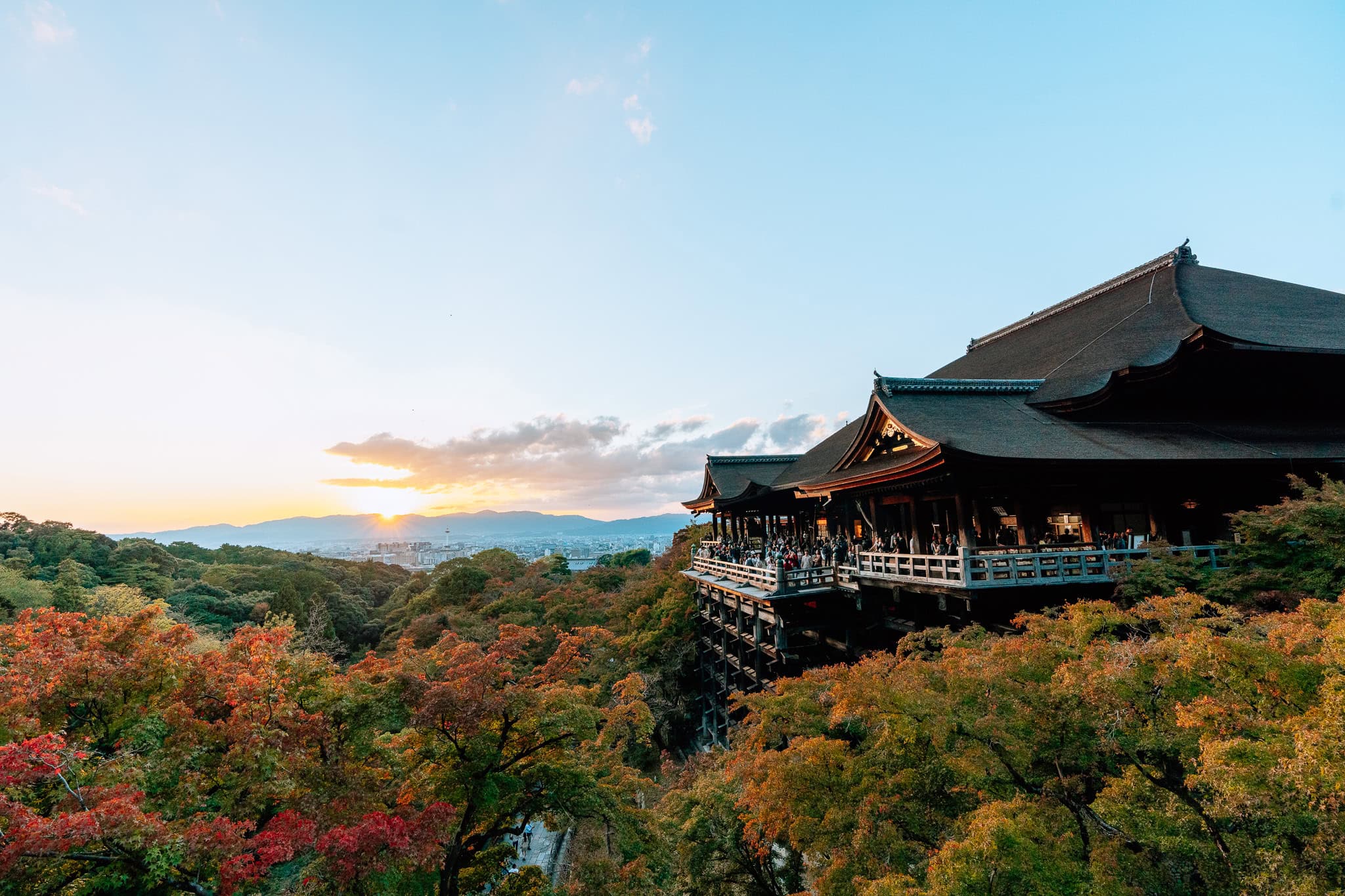
Wrap up the day with a visit to Yasaka Shrine, located just a short walk from Gion. Dating back to 656 AD, the shrine is beautifully illuminated at night with over 1,000 lanterns, creating a peaceful and almost magical ambiance.
This is the perfect way to end your first day in Kyoto, combining history, culture, and stunning visuals all in one itinerary.
Day 2: Nature & Scenic Landscapes
Day two is all about Kyoto’s breathtaking natural beauty. From the towering bamboo groves of Arashiyama to a serene riverboat ride and the dazzling Golden Pavilion, this itinerary lets you experience Kyoto’s most stunning landscapes.
Morning: Arashiyama & Yusai-Tei Gallery
Arashiyama is one of Kyoto’s most scenic areas, offering a mix of stunning landscapes, historic sites, and cultural experiences. You could easily spend an entire day here, but in this itinerary, we’ll focus on the must-see highlights.
Start your morning at the Arashiyama Bamboo Forest, one of the most photographed spots in Kyoto. Arriving between 6-7 AM ensures a peaceful walk through the towering bamboo stalks before the crowds arrive. Take your time strolling through the pathways, exploring the nearby temples, and stopping by the charming local shops.
If Arashiyama is your top priority for the whole Kyoto’s trip, we recommend staying overnight near Arashiyama.
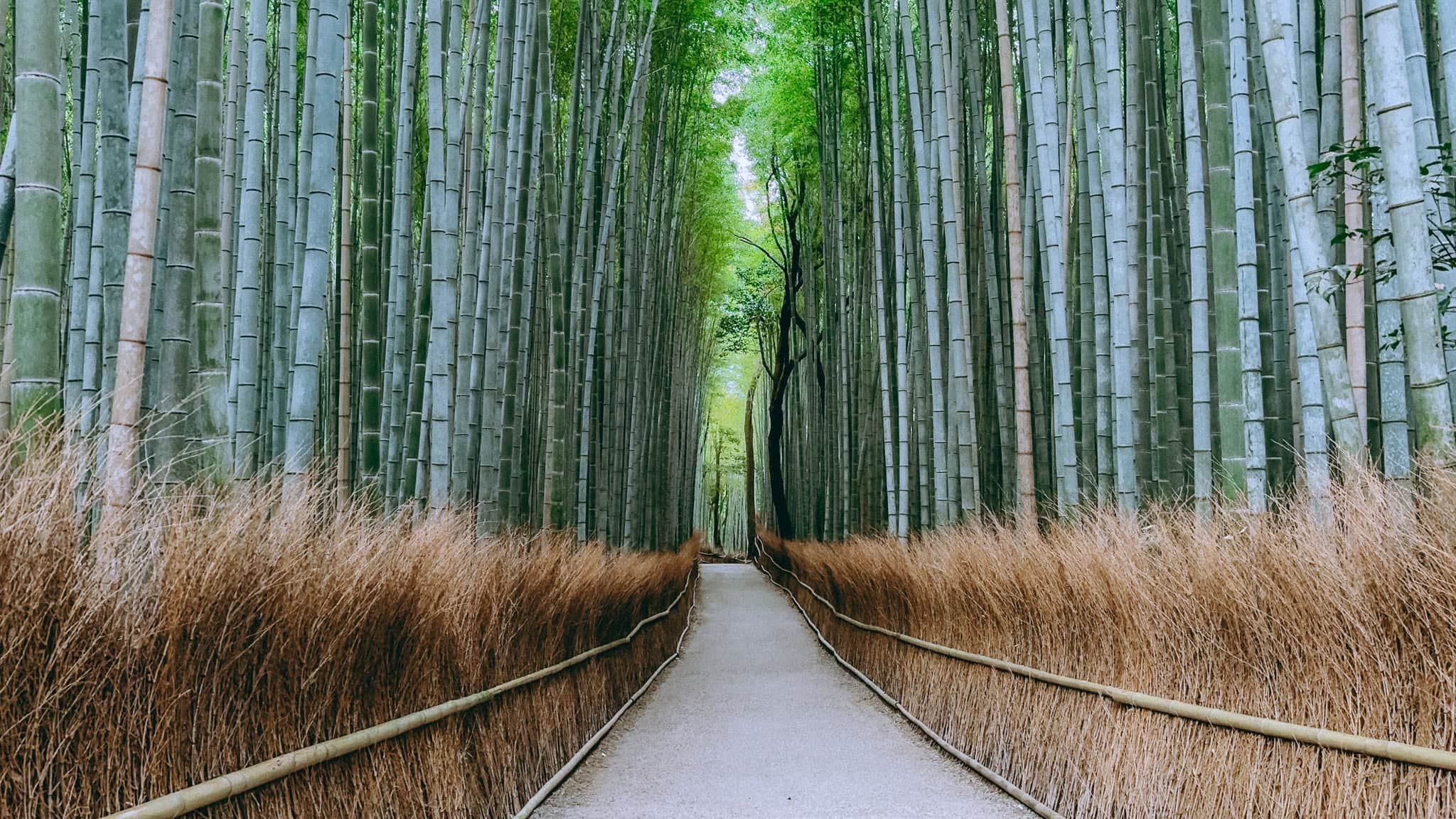
Next, visit Yusai-Tei Gallery, a hidden gem that offers breathtaking views of the Arashiyama River and surrounding nature. The gallery features unique round-window rooms, water mirror installations, and an open terrace with panoramic views of the garden and river. It’s a stunning spot to experience Kyoto’s seasonal beauty. Advance booking is required.

Before leaving Arashiyama, take a walk down the main shopping street, where you’ll find local food stands, souvenir shops, and temples with beautiful gardens. If you’re up for a bit of exercise, climb the hill for an even better panoramic view of the area.
For lunch, try Yudofu Sagano, a traditional Kyoto tofu restaurant with a serene garden view. Yudofu (hot tofu stew) is a Kyoto specialty, thanks to the region’s pristine water that enhances the tofu’s delicate flavor. This dish dates back to Kyoto’s temple cuisine and remains a must-try meal.

Afternoon: Hozugawa River Boat Ride & Kinkaku-ji
After lunch, take a Hozugawa River Boat Ride, a 16km scenic journey from Kameoka to Arashiyama. You can reach the starting point by taking the Sagano Romantic Train or a JR train. The river ride is fully operated by skilled boatmen who navigate through stunning natural scenery, unique rock formations, and historical sites, all while sharing comical and entertaining stories. The journey takes about 2 hours and is a fun, immersive way to experience Kyoto’s natural beauty.


If you want to experience both the riverboat and the scenic train ride, book a Sagano Romantic Train ticket. This charming train ride takes you through the mountains and along the Hozugawa River, offering some of the best seasonal views of Kyoto.
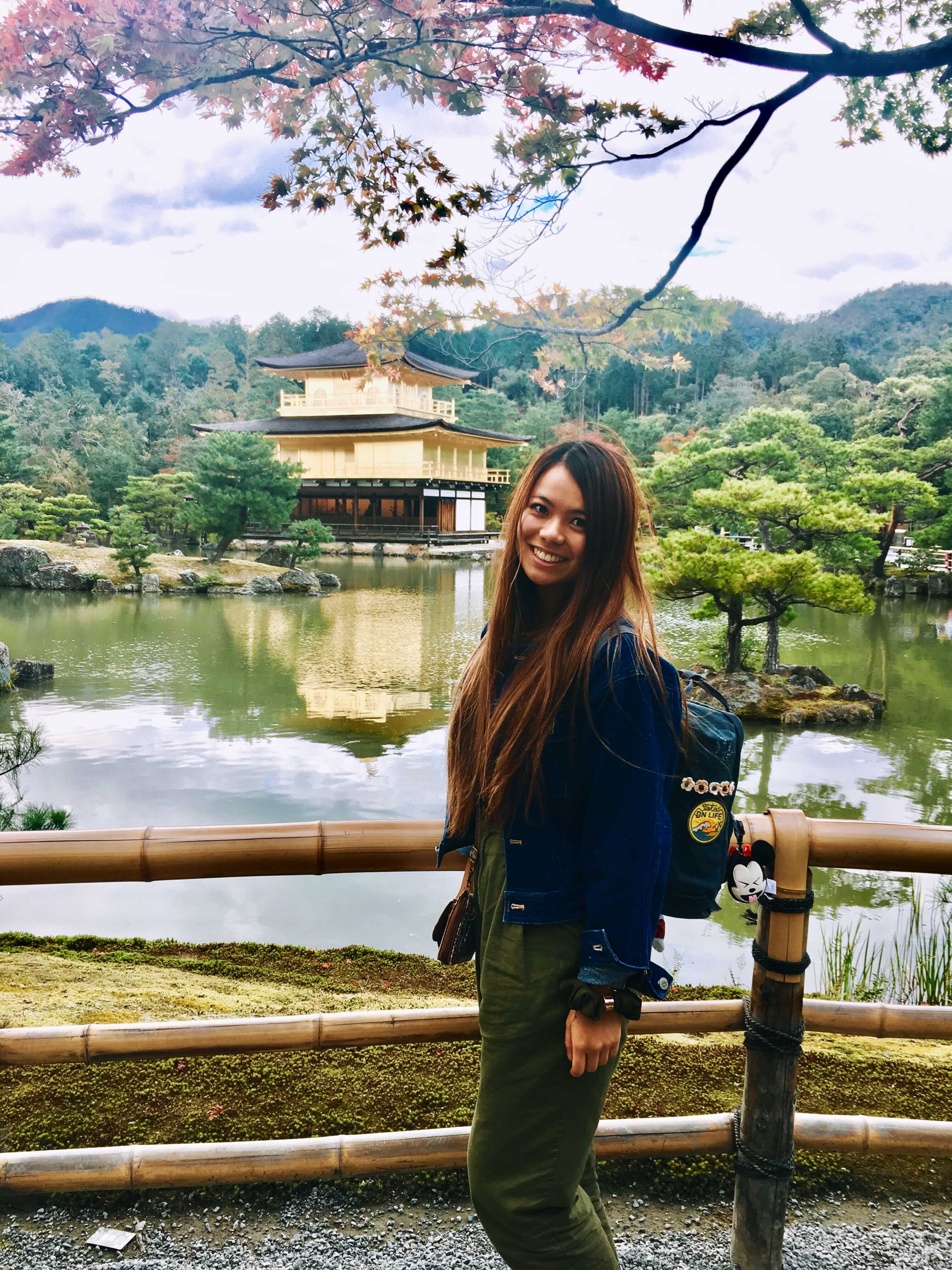
After a half-day of nature-filled adventures, end the afternoon at Kinkaku-ji (Golden Pavilion). Originally built in 1397, this Zen temple is one of Kyoto’s most famous landmarks, known for its gold leaf-covered upper floors, which reflect beautifully over the surrounding pond. The temple grounds are tranquil and picturesque, making it the perfect final stop before winding down.
Evening: Kamo River & Dinner
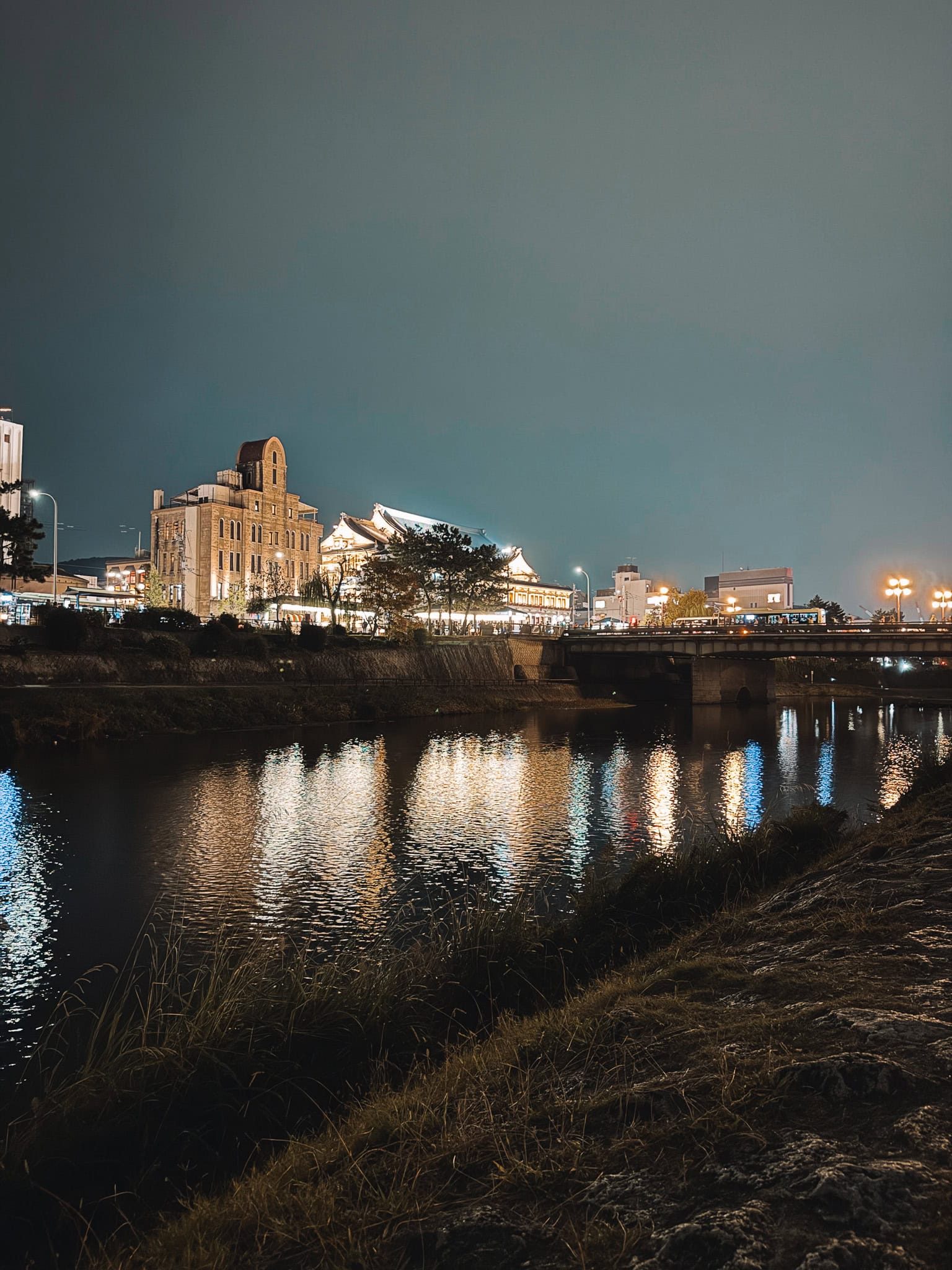
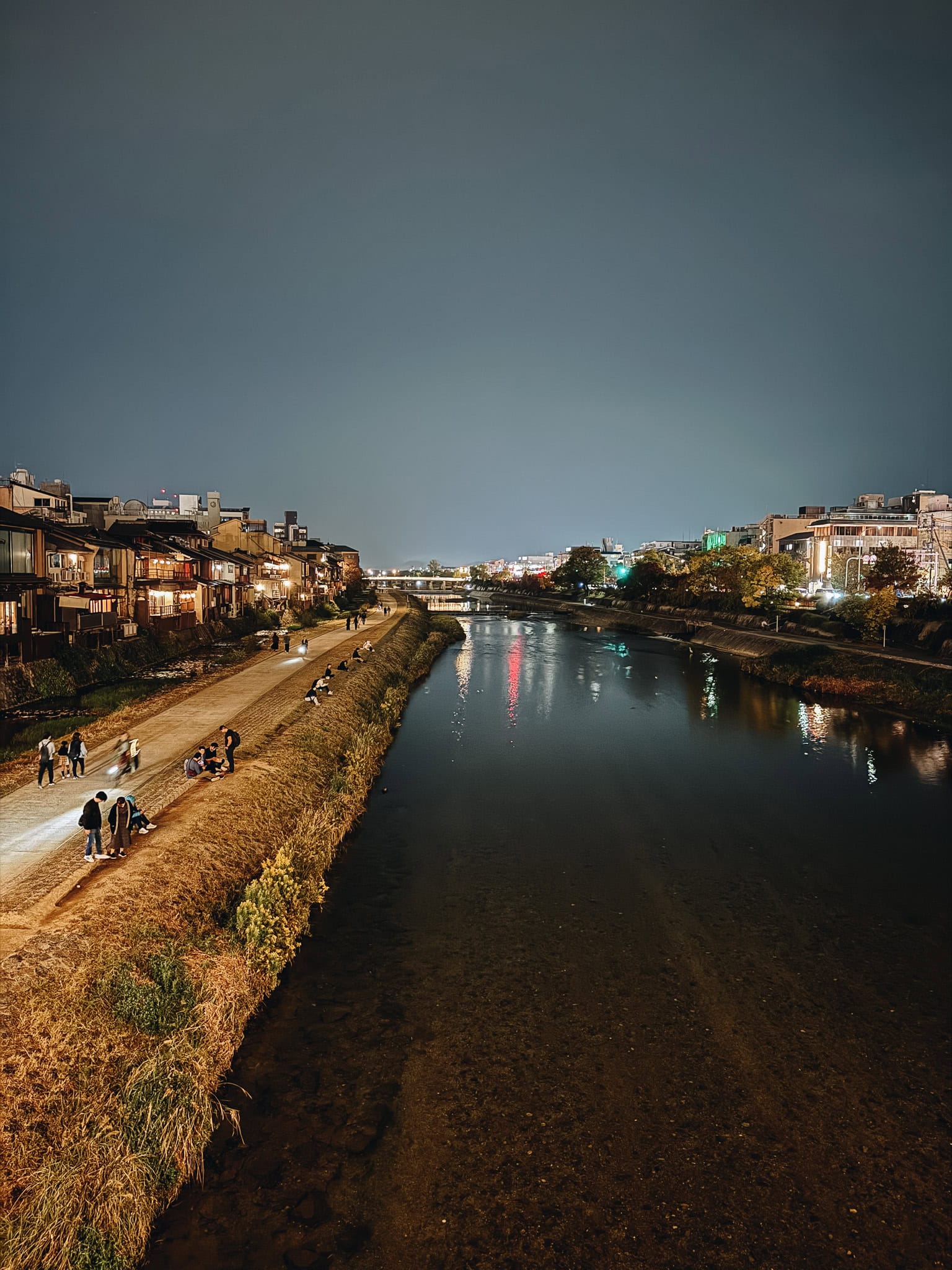
To wrap up your Kyoto adventure, take a relaxing evening stroll along the Kamo River. This riverside area is lined with restaurants offering scenic views, from high-end yakiniku to traditional Kyoto soba.
If you prefer something more laid-back, grab a drink and sit along the riverbank, listening to the flowing water while chatting with your travel companions. It’s one of those moments where time slows down, letting you fully soak in the peaceful atmosphere.
This simple yet magical experience is the perfect way to end your Kyoto journey on a high note.
Where To Stay in Kyoto
Choosing where to stay in Kyoto depends on your travel style. Hotels provide comfort and convenience, while traditional ryokans and machiya townhouses offer a more immersive experience. Whether you’re looking for a budget-friendly stay, a mid-range hotel, or a luxury experience, we’ve got recommendations to suit every traveler.
For area breakdowns and specific hotel recommendations, here’s our where to stay in Kyoto guide.
📍 Budget Option
Karasuma Kyoto Hotel: A convenient stay just a 2-minute walk from Hankyu Kyoto Line, Karasuma Station. A great choice for travelers looking for affordability and accessibility.
📍Mid-Range Option
KOKO HOTEL Residence Kyoto Nijo Castle: Located just 5 minutes from Karasuma Oike Station, this hotel offers modern amenities while being close to Kyoto’s historic sites.
📍 Luxury Option
Six Senses Kyoto: Experience top-tier luxury at this high-end hotel, just 1 minute from the Higashiyama Nanajo city bus stop. Perfect for those who want premium service and refined elegance.
Alternative Authentic Kyoto Stays
For those looking to experience Kyoto’s traditional charm, staying in a machiya (traditional townhouse) or ryokan (Japanese inn) can be a great alternative to hotels.
📍 Machiya (Traditional townhouses)
Kyoisuke Machiya: A beautifully restored Kyoto townhouse, offering a unique stay in a historical setting. Just 6 minutes from Hankyu Kyoto Line, Karasuma Station.


Read about our stay at Kyoisuke Machiya!
📍 Traditional Ryokan
Seikoro Ryokan: A classic Kyoto ryokan with tatami rooms, futon bedding, and kaiseki dining. Located just 2 minutes from Kiyomizu Gojo Station of Keihan Railway.
No matter where you stay, Kyoto’s charm and hospitality will make your visit an unforgettable one!
Other fun things to do in Kyoto
Kyoto is not just about temples and shrines, there are plenty of unique and immersive activities that allow you to experience the city’s rich culture and history in a hands-on way. Here are some cool experiences that will make your Kyoto trip even more special.
Tatami Making Experience
This is by far our favorite experience in Kyoto, and if you have the time, it’s a must-try! Learn the traditional craft of tatami-making and take home your own mini tatami mat, crafted with guidance from skilled artisans who have been practicing for generations. You’ll get hands-on experience assembling and weaving your very own tatami mat, making this not only a fun activity but also an opportunity to appreciate Kyoto’s craftsmanship.


Read our full experience here!
Kyoto Samurai Experience
Step back in time and become a samurai for a day! This immersive experience lets you wear authentic samurai armor, learn sword techniques, and practice traditional combat stances. It’s a fantastic way to engage with Japan’s warrior culture and makes for some epic photo opportunities.

Kyoto Temple Tea Ceremony
Uji is the matcha capital of Japan, but if you don’t have the time for a day trip there, there’s no better way to experience it than by participating in an authentic tea ceremony right in Kyoto. Held inside a historic Kyoto temple, this experience will guide you through the delicate rituals of whisking matcha, proper tea etiquette, and the significance behind each movement. A truly peaceful and meditative experience.

FU FU no YU Onsen
Need a break from sightseeing? Relax and unwind at FU FU no YU, a modern yet traditional Kyoto onsen. Soak in natural hot springs, enjoy the tranquil ambiance, and let the mineral-rich waters rejuvenate your body after a long day of exploring. This is one of Kyoto’s best hidden gems for relaxation and self-care.

Kyoto International Manga Museum
For manga lovers, this place is a dream come true! The Kyoto International Manga Museum is home to thousands of manga volumes from different eras and genres. Visitors can browse, read, and even watch artists at work. There are also fun workshops where you can learn manga drawing techniques from professionals.
Make Your Own Miniature Sample Food
If you’ve ever admired the ultra-realistic food samples displayed in Japanese restaurant windows, now’s your chance to create your own miniature version! This hands-on workshop allows you to craft adorable, hyper-detailed fake food samples, from ramen to parfaits, all in miniature kawaii form.
The workshop is hosted by Mayuka, who is not only an expert in food sample making but also a fun and engaging guide. She shares fascinating insights into Japan’s food sample-making tradition, making the experience both educational and entertaining. You’ll get to choose from a wide selection of sample food designs, allowing you to personalize your creation and take home a one-of-a-kind souvenir that looks good enough to eat!

Read our detailed experience here!
Getting Around Kyoto
Kyoto’s public transportation is efficient and convenient, though not as extensive as Tokyo’s (but honestly, where else can beat Tokyo?). That said, Kyoto’s system is still easy to navigate, making it simple for travelers to get from one attraction to another.
The easiest way to explore Kyoto is by using the Kyoto City Bus & Subway Pass. A 1-day pass costs 1,100 yen for adults and 550 yen for children, making it a budget-friendly option for sightseeing. You can purchase these passes at subway stations, Kyoto City Bus offices, and select sales booths. The bus network is particularly useful for reaching famous landmarks like Kinkaku-ji, Gion, and Kiyomizu-dera, which may not have direct subway access.
If you’re already traveling around Japan, you likely already have an IC card (like Pasmo or Suica), which works seamlessly in Kyoto. These rechargeable cards are ideal for subway and bus rides without needing to buy tickets each time. IC cards also work for purchases at convenience stores and vending machines, adding an extra level of convenience to your trip.
For those who prefer biking, Kyoto is a very bike-friendly city with plenty of rental shops available. Biking is a great way to explore scenic areas like the Philosopher’s Path and Arashiyama, offering flexibility and a more immersive experience.
Getting to Kyoto from Other Cities
From Tokyo: Take the Shinkansen (2-3 hours) or a short domestic flight (1-2 hours). The Shinkansen is the most comfortable and scenic option, with beautiful countryside views along the way.
From Osaka: The JR Kyoto Line takes just 30 minutes to reach Kyoto Station, making it a quick and easy trip for anyone staying in Osaka.
From Kansai International Airport (KIX): Take the Haruka Express, which reaches Kyoto in about 75 minutes and is the best option for those flying into Osaka.
Kyoto Sightseeing Hop-On Hop-Off Bus
If you prefer a hassle-free way to visit Kyoto’s major attractions, the Kyoto Sky Hop Bus is a great option. This open-top bus lets you hop on and off at famous sightseeing spots, making your travel experience more convenient. With stops at top locations like Nijo Castle, Kinkaku-ji, and Gion, it’s a great way to explore at your own pace without worrying about transfers.

By planning ahead and using the right transportation, you can make the most of your Kyoto trip with minimal stress!
FAQs about visiting Kyoto
After visiting Kyoto extensively for 4 times, here are some of the most frequent questions we get asked about visiting Kyoto.
Is 2 days enough to see Kyoto?
Two days is enough to scratch the surface and visit Kyoto’s main highlights, including its most famous historic spots and scenic areas. You can explore iconic landmarks such as Fushimi Inari Shrine, Kiyomizu-dera, and the Arashiyama Bamboo Forest while also experiencing a taste of Kyoto’s rich culture.
However, Kyoto is home to thousands of shrines and temples, as well as hidden gems tucked away from the usual tourist paths. If you want a deeper, more immersive experience: such as participating in a tea ceremony, exploring lesser-known districts, or venturing into the mountains for breathtaking views. Consider extending your stay to truly appreciate Kyoto’s depth and charm.

Is it better to go to Osaka or Kyoto first?
It depends on your travel style and what kind of experience you’re seeking. Kyoto is a city of tradition, where you can stroll through historic districts, visit centuries-old temples, and experience a more tranquil side of Japan. In contrast, Osaka is known for its modern energy, vibrant nightlife, and incredible street food culture.
If you enjoy starting your trip with a calm, cultural experience, visiting Kyoto first might be the way to go. However, if you’d prefer to dive straight into a dynamic, urban adventure before winding down in Kyoto’s peaceful setting, then visiting Osaka first may suit you better. Both cities are well connected by train, so we highly recommend including both in your itinerary.
What is the best month to visit Kyoto?
Kyoto is a city that offers beauty year-round, but the best seasons to visit are spring (March-May) and autumn (November-early December).
Spring brings breathtaking cherry blossoms, which typically peak in early April, creating an enchanting atmosphere throughout the city. Fall, on the other hand, transforms Kyoto into a masterpiece of red, orange, and yellow foliage, especially in places like Tofuku-ji Temple and Arashiyama. While these seasons offer the most stunning landscapes, they are also the most crowded times to visit, as Kyoto has been experiencing an increase in tourism in recent years.
If you prefer fewer crowds, winter can be a magical time, especially when Kyoto occasionally gets dusted with snow, making temples and shrines look even more picturesque. Summers (June-August) can be quite hot and humid, but they also bring unique experiences like the Gion Matsuri, Kyoto’s most famous festival.

Should I spend more time in Tokyo or Kyoto?
If it’s your first time in Japan, spending more time in Tokyo is generally recommended, as it offers a vast range of modern attractions, shopping, entertainment, and unique cultural experiences. Tokyo is a sprawling metropolis with endless things to do, from exploring high-tech districts like Akihabara and Shibuya to visiting traditional areas like Asakusa.
That being said, if you are particularly interested in Japan’s cultural heritage, traditional architecture, and serene natural landscapes, Kyoto may be the better choice.
Kyoto’s charm is in its beautifully preserved temples, picturesque streets, and immersive experiences like kimono rentals, tea ceremonies, and historic ryokan stays. Ideally, splitting your time between both cities allows you to experience the best of Japan’s modern and traditional sides.
Beyond Kyoto: Day Trips to Expand Your Kansai Trip
Kyoto is not only a destination in itself but also a great base for exploring the Kansai region. If you have extra time, we highly recommend setting aside a couple of days for day trips beyond Kyoto to experience even more of Japan’s rich culture and history.
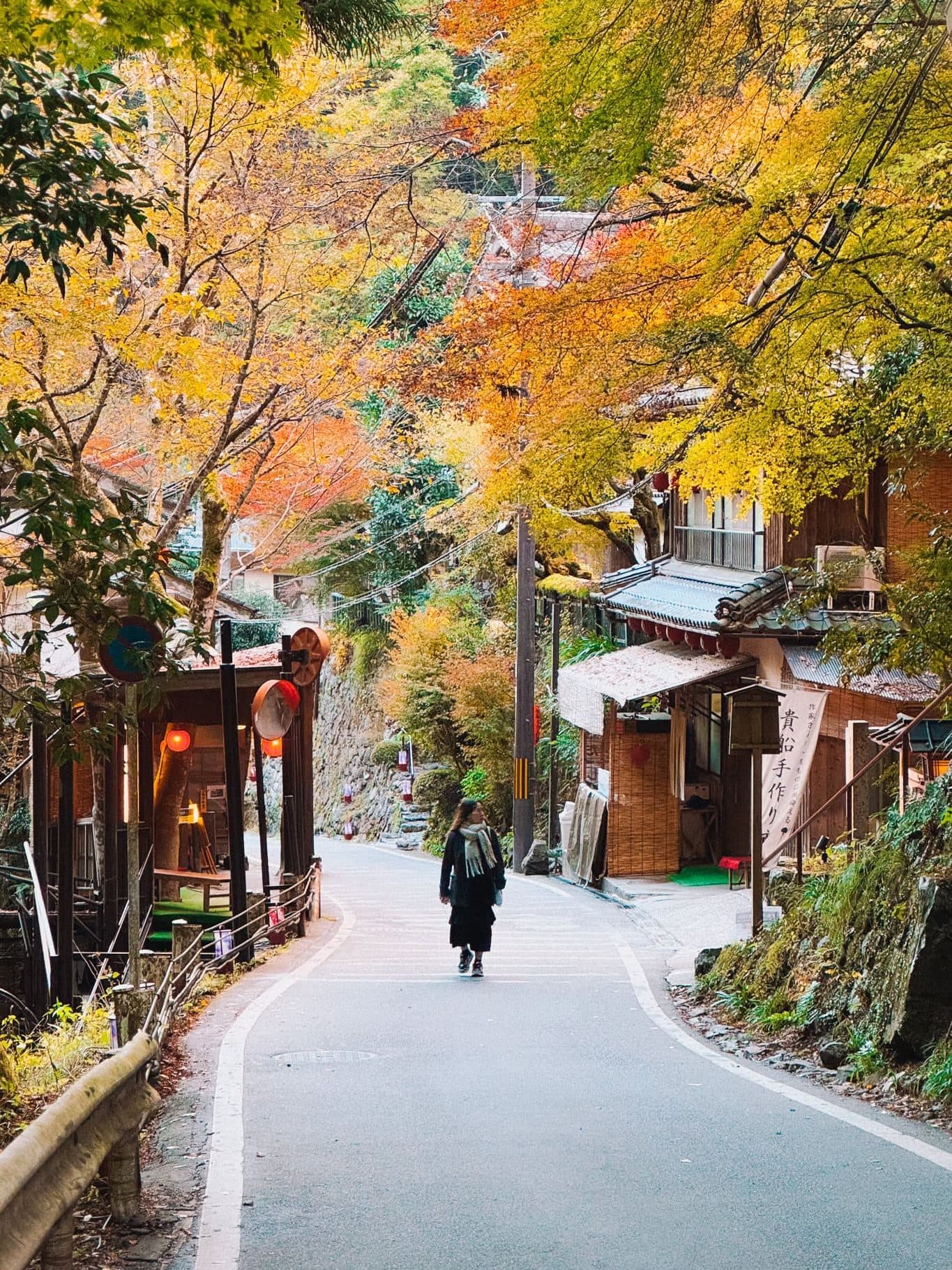
Kifune Shrine: Located in the mountains north of Kyoto, this hidden gem is especially magical in autumn and winter. The atmospheric shrine, dedicated to the water deity, is one of the most scenic in the region.

Uji: A must-visit for matcha lovers! Uji is famous for producing some of the highest-quality green tea in Japan. Visit Byodo-in Temple, sip on fresh matcha, and explore the charming riverside town.

Nara: Home to friendly deer that roam freely in Nara Park, this historic city is perfect for a day trip. Visit Todai-ji Temple, which houses Japan’s largest bronze Buddha statue.


Osaka, Kobe & More: If you’re already in the Kansai area, cities like Osaka (known for its vibrant nightlife and street food) and Kobe (famous for its world-renowned beef) are just a short train ride away.
Conclusion
Kyoto is a city full of history, culture, and stunning scenery. While two days in Kyoto is enough to experience its major highlights, it also leaves room for future visits to uncover more hidden gems. Our 2-day itinerary ensures that you get a well-balanced experience, covering Kyoto’s rich historical sites and breathtaking natural landscapes. Staying in a central location helps minimize travel time, allowing for a smoother trip.
If you’ve been to Kyoto before, consider exploring day trip options such as Nara, Uji, or Kifune Shrine to expand your experience. While this itinerary provides a structured introduction to Kyoto, the city has so much more to offer beyond these highlights, making every visit a unique and unforgettable journey.
You must be logged in to post a comment.