

Nara Day Trip Itinerary: How to Make the Most of Nara, Japan in 1 Day
Nara is where Japan’s history, nature, and culture meet in one walkable, deer-filled city. It’s easy to reach, full of charm, and offers experiences you won’t find in Kyoto or Tokyo. Most travelers visit Nara as a day trip from Osaka or Kyoto, which is one of the easiest ways to make the most of your Kansai trip.
We’ve been to Nara in various seasons, explored beyond the tourist trails, and still find something new each time. This Nara travel guide walks you through the perfect Nara day trip itinerary, unique experiences, how to get around, and the key things to know before you go.
Plan your trip with our favorite resources
Where to Stay in Japan: check best deals
Transport & activities: klook.com (save up to 10% with code DANAYAO)
eSIM for Japan: stay connected with Airalo
Should I Visit Nara?
Nara is one of the most rewarding places to visit in Japan if you’re looking for something deeper than the usual tourist checklist. It blends history, nature, and culture in a way that’s both immersive and easy to explore.
It’s most famous for housing Japan’s oldest temples like Todai-ji, the free-roaming deer of Nara Park, and stunning seasonal views: cherry blossoms in spring and fiery maple leaves in fall.
So, should you visit Nara? Yes, absolutely.
We’ve explored Nara multiple times and it always offers something new. The pace is slower than Kyoto, with plenty of hidden gems that still fly under the radar. And since it’s just a quick train ride from either Osaka or Kyoto, it’s one of the easiest day trips you can make in the Kansai region.
Here’s our Nara guide to help you decide whether Nara is visiting. Whether you’re into food, temples, quiet nature walks, or curious animals, Nara is well worth your time.
Perfect Nara Day Trip Itinerary
With everything within walking distance, Nara is one of the easiest cities in Japan to explore in a single day. This day trip itinerary to Nara covers the highlights, local food, and scenic spots so you can experience the best of the city without feeling rushed.
Whether it’s your first visit or you’ve been before, this plan helps you make the most of your time, from fresh mochi in the morning to sunset views in the evening.
Nara Day Trip Itinerary: Morning
Arrival at Kintetsu-Nara Station or JR Nara Station
Both stations are well connected from Kyoto and Osaka. Kintetsu-Nara is closer to the main attractions, while JR Nara is slightly farther but still walkable. Either option works depending on your train pass or where you’re coming from.
Sanjo Dori
This lively street connects the station to Nara Park and is a great place to start your day. Along the way, you’ll find small cafes, local snack stalls, and souvenir shops tucked into side alleys.
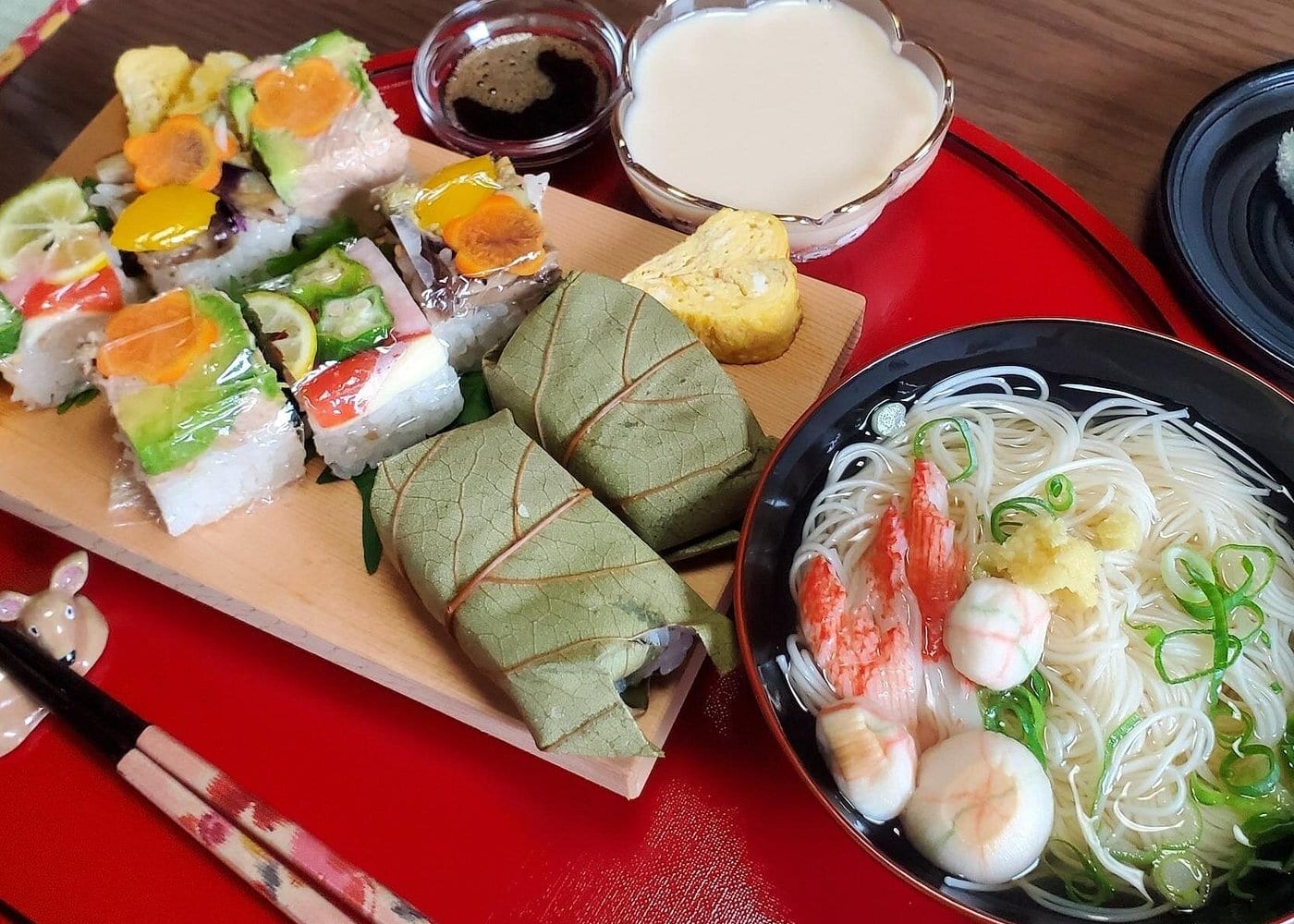
It’s also where you’ll find Kakinohasushi Hompo Tanaka, one of the most popular spots to try Nara’s specialty sushi wrapped in delicate persimmon leaves. The flavor is light and clean, making it an easy snack or early lunch before sightseeing.
Nakatanidou Mochi Shop
Known for its famous high-speed mochi-pounding show, Nakatanidou is a fun and tasty stop. The show usually happens about every several hours or when a small crowd gathers. Try the freshly made yomogi mochi. It’s soft, earthy, and filled with sweet red bean paste.
Kofuku-ji Temple
Kofuku-ji is an UNESCO World Heritage Site and one of Nara’s most important temples. The five-story pagoda is an iconic part of the city’s skyline, and the Golden Hall houses sacred Buddhist statues. If you have time, the National Treasure Museum nearby offers a quiet look at centuries-old religious art and artifacts.

Nara Day Trip Itinerary: Afternoon
Todai-ji Temple
Located inside Nara Park, Todai-ji is one of the most iconic temples in Japan. It’s home to the Great Buddha, one of the largest bronze Buddha statues in the country, housed inside a massive wooden hall.
There’s a small entrance fee, and it’s well worth it. Don’t miss the pillar with a hole the size of the Buddha’s nostril. Crawling through it is said to bring good luck.

Nara Park
This is where you’ll likely spend the most time. Nara Park is filled with open lawns, shaded paths, and over a thousand deer that roam freely. You can buy shika senbei (deer crackers) for ¥200 to feed them, and they’re known to bow in exchange for a snack. The deer wander all over the park, sometimes even up toward Kasuga Taisha Shrine.
Kasuga Taisha Shrine
A peaceful walk from Nara Park leads you to Kasuga Taisha, known for its bronze and stone lanterns that line the path and fill the inner grounds. The shrine is photogenic at any time of day, but the warm glow of late afternoon makes it especially beautiful.
Entry to the main shrine grounds is free, while access to the museum or botanical garden requires a small ticket, usually around ¥700.

Nara Day Trip Itinerary: Morning
Mt. Wakakusa
Just behind Nara Park, Mt. Wakakusa offers a light hike with beautiful panoramic views. It takes about 15 minutes to reach the mid-point and another 20 to the summit, depending on your pace.
The top overlooks the city and surrounding hills, making it one of the best spots in Nara to catch the sunset. If hiking isn’t your thing, relaxing on the grassy slope near the entrance is just as enjoyable.
If you’re visiting in late January, check if your trip lines up with the Wakakusa Yamayaki festival, when the hillside is set ablaze in a centuries-old tradition that lights up the night sky.
This is a quiet, scenic way to wind down your Nara day trip after a full day of exploring. After your descent, grab dinner near Nara Station or head back to your base city and eat there.
Getting Back
To return, take either the JR Nara Line or the Kintetsu Line, depending on where you’re headed and which pass you’re using. Both stations are centrally located and easy to access from the park area.

Unique and Non-Touristy Things to Do in Nara
The spots above cover the highlights and essentials for a first-time Nara day trip. But if you’re staying longer, or you’re the kind of traveler who loves hands-on experiences and local culture, Nara has some surprisingly unique activities that go beyond the usual tourist path. Here are a few worth checking out:
👉 Make Your Own Tea Whisk and Tea Scoop: A rare chance to learn traditional tea tool crafting with a professional tea whisk maker. You’ll get to make your own tea scoop and chasen in a quiet workshop setting.
👉 Make Your Own Tea Scoop: A simplified option if you’re short on time. Still hands-on, still meaningful, and makes a unique souvenir.
👉 Traditional Soy Sauce Brewery Tour: Just two stops from Nara Station. Learn the process, taste aged soy sauces, and see a side of Japanese food culture most visitors miss.
👉 Make Your Own Accessories: A low-key, hands-on break from sightseeing where you’ll create accessories using traditional Japanese materials and techniques.
👉 Japanese Cooking Class in a Local Nara Home: Cook dishes like zushi, somen, and kinako desserts with a friendly local chef. A memorable, cozy way to connect through food.
Getting To and Around Nara
Planning a Nara day trip is easy, since the city is well connected to major hubs like Tokyo, Osaka, and Kyoto, and once you’re there, getting around is simple. Most of the major attractions are within walking distance, especially from Kintetsu-Nara Station.
How to Get to Nara from Tokyo
Take the Tōkaidō Shinkansen to Kyoto Station, then transfer to the JR Nara Line (D). The full journey takes around 3.5 hours. This route is covered by the Japan Rail Pass, which is ideal if you’re traveling across multiple cities.
How to Get to Nara from Osaka
Hop on the JR Osaka Loop Line (O), which connects to the JR Nara Line (Q). The ride takes about 1 hour and drops you at JR Nara Station. You can also take the Kintetsu Line from Osaka-Namba, which arrives at Kintetsu-Nara Station—closer to Nara Park and most main attractions.
How to Get to Nara from Kyoto
Take the JR Nara Line (D) directly to Nara Station. Travel time is about 1 hour. The Kintetsu Kyoto Line is a slightly faster alternative, especially if you’re aiming to arrive closer to Nara Park.
Travel Tip: If you’re doing multiple day trips in the Kansai region, consider getting a JR Kansai Mini Pass, JR Kansai Area Pass, or Kansai Railway Pass. These passes offer unlimited rides on designated routes and are especially helpful if you’re traveling on a budget.
Nara FAQs
Still deciding how to plan your time in Nara? Here are answers to some of the most common questions travelers ask before their visit.
What is Nara famous for?
Nara is one of Japan’s most scenic and culturally rich cities. It blends spiritual landmarks, nature, and local traditions in a way that’s easy to experience in a single visit.
The city is especially known for its ancient temples, free-roaming deer in Nara Park, and stunning seasonal scenery: cherry blossoms in spring and vibrant foliage in fall. It’s a peaceful contrast to the busier cities nearby and offers a deeper look into Japan’s cultural roots.
Key highlights include:
- Historic temples like Todai-ji, home to the Great Buddha, as well as Kasuga Taisha and Kofuku-ji
- Deer and nature walks in Nara Park, with panoramic views from Mt. Wakakusa
- Local specialties including freshly pounded mochi from Nakatanidou and sushi wrapped in fragrant persimmon leaves
When is the best Time to Visit Nara
The best times to visit are spring and fall, but each season has something special to offer.
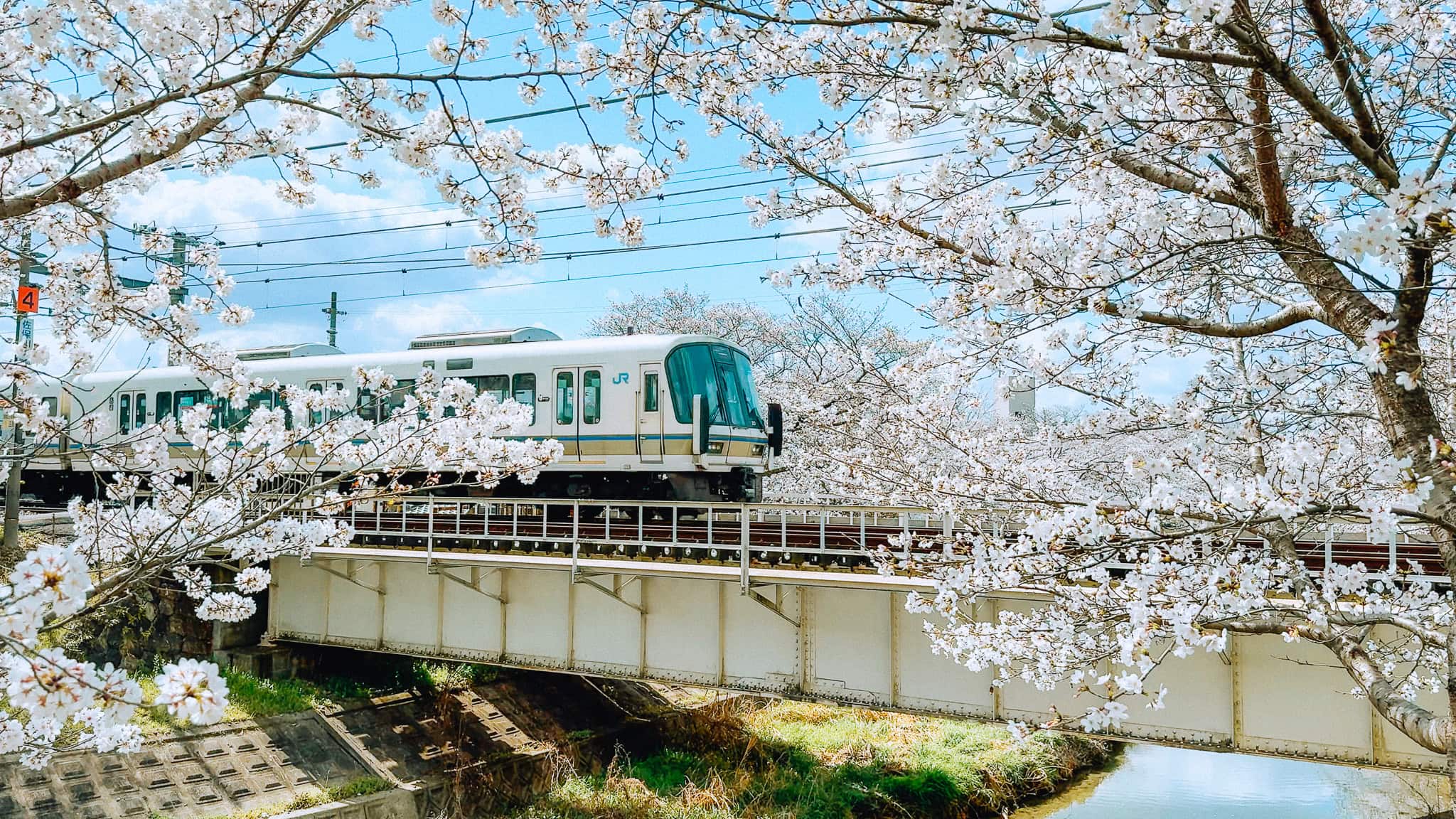
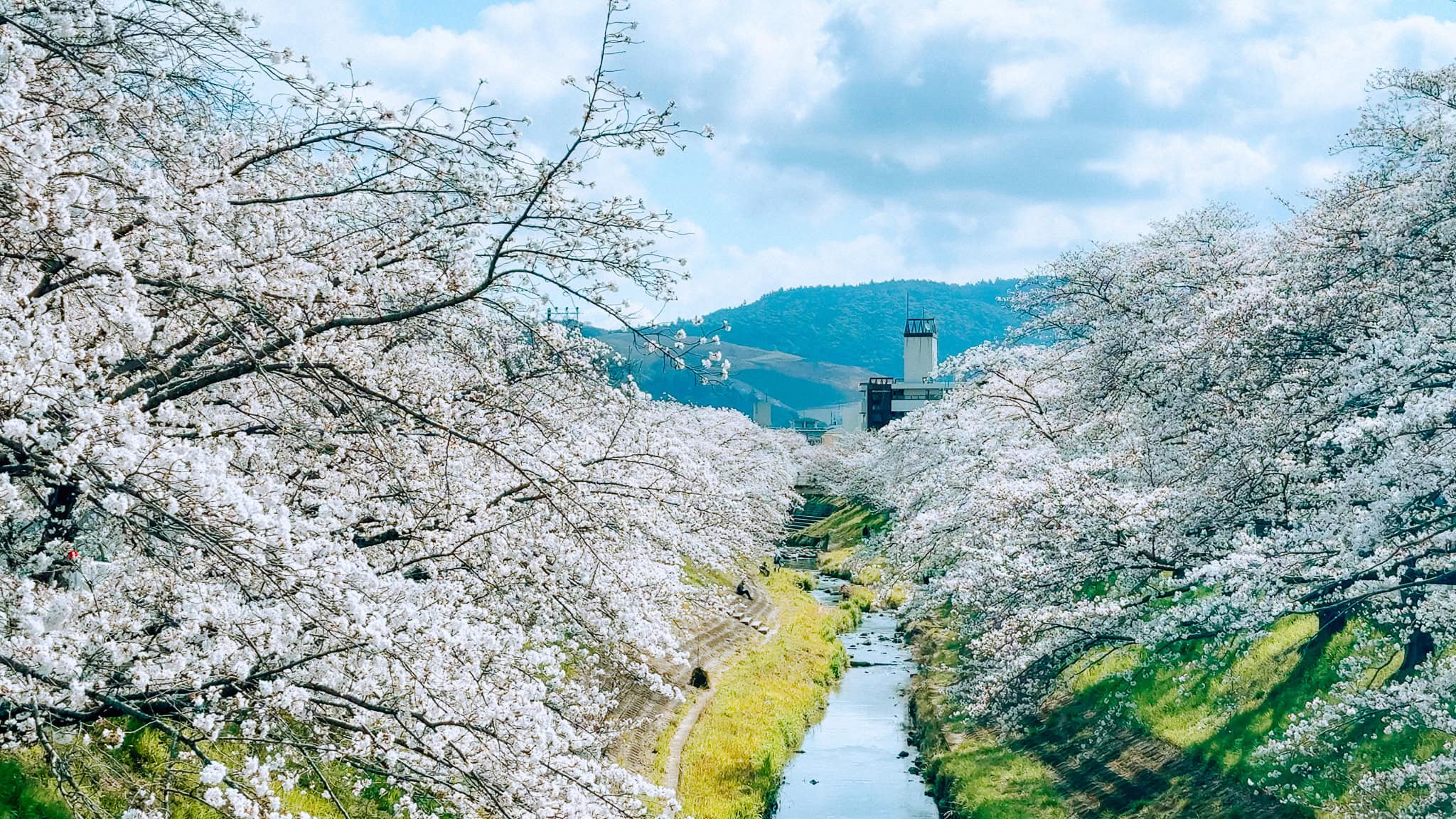
Spring (late March to early April) brings cherry blossoms into full bloom across Nara Park. The scenery is perfect for slow walks, and the weather is ideal for sightseeing.
Fall (late October to late November) transforms temple grounds and hiking trails into a backdrop of red, orange, and gold. Areas around Kasuga Taisha and Mt. Wakakusa are especially vibrant.
Winter is quiet and underrated. The deer are still around, sometimes with a light dusting of frost. Fewer crowds, crisp air, and peak strawberry season make it a cozy and relaxed time to visit.
How many days do you need in Nara?
One day is enough to see the essentials: Nara Park, Todai-ji, Kasuga Taisha, maybe a short hike or a mochi-pounding show. It fits perfectly into a Kansai itinerary, especially if you’re visiting Kyoto or Osaka.
Two days lets you go deeper. You can explore the quieter corners of the city, join a food or craft workshop, or take a side trip to nearby Asuka. This pace is great if you want to stay in a ryokan, enjoy an onsen, or catch sunset views from Mt. Wakakusa.
Should I visit Nara as a day trip or stay overnight?
Most people visit Nara as a day trip, and that works really well. You can cover the major highlights like Todai-ji, Nara Park, and Kasuga Taisha, then return to Kyoto or Osaka in time for dinner.
But if you enjoy a slower pace, quiet evenings, and fewer crowds, staying overnight offers a different kind of experience. Early mornings and late evenings in Nara are especially peaceful, and you’ll have more time to explore or try unique local activities.
If you decide to stay, here are a few great options:
📍 NARA Visitor Center and Inn: A central, budget-friendly option just 10 minutes from Kintetsu-Nara Station. Clean rooms and English-speaking staff make it a convenient choice.
📍 Shikitei: A quiet, traditional ryokan near Nara Park with warm hospitality and a relaxed atmosphere.
📍 Maruto Shoyu (Stay at a Soy Sauce Factory): A one-of-a-kind stay inside a working soy sauce brewery in Asuka, about an hour from Nara. Includes hands-on food experiences and workshops.

Conclusion
Whether you’re planning a quick Nara day trip itinerary or looking to explore beyond the typical stops, Nara is one of those places that stays with you long after you leave. It’s beautiful, historic, easy to explore, and full of small surprises: whether it’s bowing deer, ancient temples, or peaceful forest paths.
The itinerary above is designed to help you make the most of one perfect day in Nara, with all the must-see spots, plus a few unique and non-touristy experiences if you’re staying longer or looking for something different.
We hope this Nara travel guide helps you plan your visit and enjoy everything the city has to offer.
You must be logged in to post a comment.