
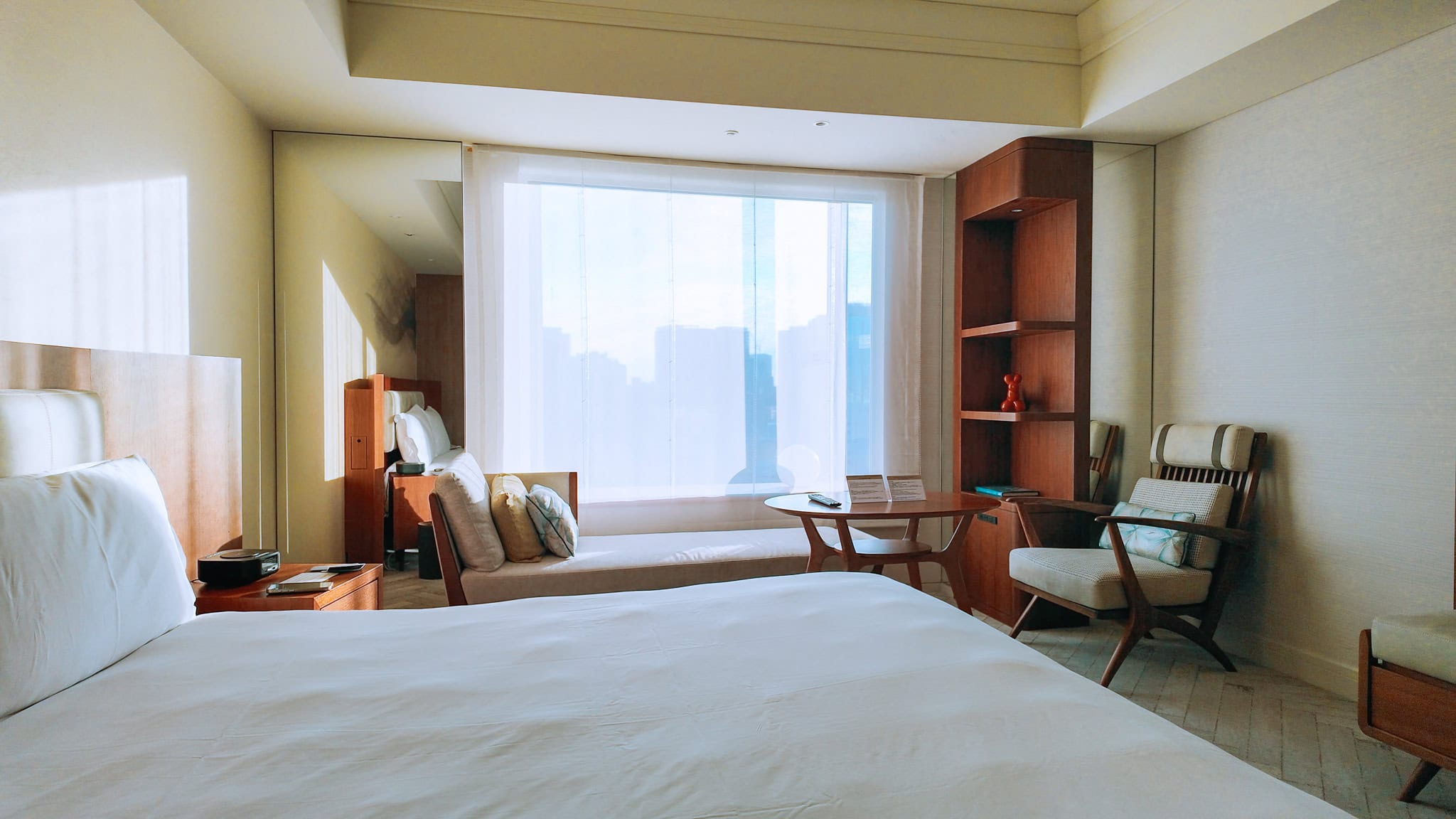
Best Areas to Stay in Tokyo: Complete Neighborhood Hotel Guide 2026
Planning a trip to Tokyo and figuring out which neighborhood actually makes sense for your itinerary can feel overwhelming, especially if it’s your first time visiting.
We lived in Tokyo and have stayed in everything from budget capsules to luxury skyscraper hotels, personally testing dozens of accommodations across the city. With so many neighborhoods and hotel options, it’s easy to get stuck trying to compare it all.
This guide breaks down the best areas to stay in Tokyo, along with hotel recommendations based on convenience, travel style, and the kind of trip you actually want to have. Whether you’re a first-timer, traveling with kids, or looking for the most walkable base, there’s a stay that fits.
Plan your trip with our favorite resources
Where to Stay in Japan: check best deals
Transport & activities: klook.com (save up to 10% with code DANAYAO)
eSIM for Japan: stay connected with Airalo
In a Rush? Here’s Our Top Picks
If you don’t have time to scroll through the full breakdown, here’s a quick cheat sheet. These are the top Tokyo neighborhoods we recommend most often, along with one standout hotel in each to make booking easy.
Hotel Pricing Key:
- $ – under $80 per night
- $$ – $80-200 per night
- $$$ – $200-500 per night
- $$$$ – $500-1000 per night
- $$$$$ – over $1000 per night
| Area | Best For | Our Hotel Pick |
|---|---|---|
| Shinjuku Area | Nightlife, first-timers, convenience | Hyatt Regency Tokyo ($$$) |
| Tokyo Station / Ginza Area | Transportation access, luxury shopping | Mitsui Garden Hotel Ginza Premier ($$$) |
| Asakusa / Oshiage Area | Traditional sightseeing, relaxed and down to earth vibes | Lotte City Hotel Kinshicho ($$$) |
Best Luxury Hotels in Tokyo
Tokyo does luxury like nowhere else. If you’re looking for comfort, elevated service, and skyline views that make your jaw drop, these high-end hotels deliver. If you want classic elegance, modern minimalism, or indulgent spa time after sightseeing, these are our top luxury picks for 2025.
📍Hyatt Regency Tokyo ($$$): Best modern hotel with easy access to Shinjuku.
📍Tokyo Toranomon EDITION ($$$$): breathtaking views of Tokyo Tower, along with top-notch service and amenities.
📍Mandarin Oriental Tokyo ($$$$): Best for luxury stay with amazing spa amenities.
📍Aman Tokyo ($$$$$): Best for timeless, classic luxury.
Best Tokyo Hotels for Family
If you are looking for places to stay in Tokyo with kids or a larger group, these family-friendly hotels offer more space, added comfort, and amenities that make traveling with little ones (or lots of luggage) way less stressful.
📍Lotte City Hotel Kinshicho ($$$): Best for a value stay with Tokyo Skytree view. Spacious rooms and metro is in the same building.
📍KOKO HOTEL Residence Asakusa Tawaramachi ($$$): Value apartment-style rooms with extra space and kitchenettes, steps from great local food and the metro.
📍Mimaru Suites Tokyo Asakusa ($$$$): Apartment-style stays and dog friendly. Suites include two bedrooms, a kitchen, and a dining space.

Tokyo Hotels on a Tight Budget
If you’re truly on a shoestring budget and don’t care about much beyond a roof over your head, these are your extreme budget options: capsule hotels, hostels, and dorm-style stays that still offer decent comfort and location.
📍Sakura Hotel & Hostel ($): Great for solo travelers, small groups, and families on a tight budget. Multiple locations across Tokyo, all with friendly staff and solid access to train stations.
📍Hotel Poshtel Tokyo Asakusa ($): Best for large group stays on a low budget. You can rent out a whole section just for your group. Clean, well-designed shared spaces and private cabins make it flexible and affordable.
📍The Global Hotel Tokyo ($): Capsule-style stay in the heart of Tokyo. Clean, quiet, and perfect for solo travelers who want a modern, budget-friendly place to sleep.
3 Best Areas to Stay in Tokyo
We chose these areas based on two things that matter most when picking a place to stay in Tokyo: transportation and things to do nearby. Tokyo is huge, and unless you want to spend half your trip on a train, location is everything.
Each of these spots is either near a major JR station like the Yamanote Line or has super convenient metro access with minimal transfers. That means less time commuting and more time actually enjoying Tokyo.
The second reason is that these areas are fun to explore even when you don’t have a packed itinerary. Whether you’re into food, culture, or just walking around and soaking it all in, each neighborhood offers its own vibe.
Here are the 3 areas we personally recommend:
- Shinjuku Area: Big, lively, and perfect for first-timers.
- Tokyo Station / Ginza Area: Clean, upscale, and super well-connected.
- Asakusa / Oshiage Area: A slower, more traditional feel with great views.
Shinjuku Area
Shinjuku is one of the top areas to stay in Tokyo, especially if it’s your first time visiting. This neighborhood is a major transit hub with access to JR lines like the Yamanote Line and multiple metro connections, making it incredibly easy to get around the city.
You can reach other popular areas like Shibuya, Harajuku, and Ginza quickly without long transfers or complicated train routes.
Transportation is only part of the appeal. Shinjuku is packed with energy and excitement. It’s home to skyscraper hotels, shopping malls, ramen alleys, izakayas, late-night arcades, and entertainment options for every kind of traveler.
Landmarks like Golden Gai and the Tokyo Metropolitan Government Building (with a free observation deck) are right in the area, so you can explore on foot even when you’re not sightseeing.
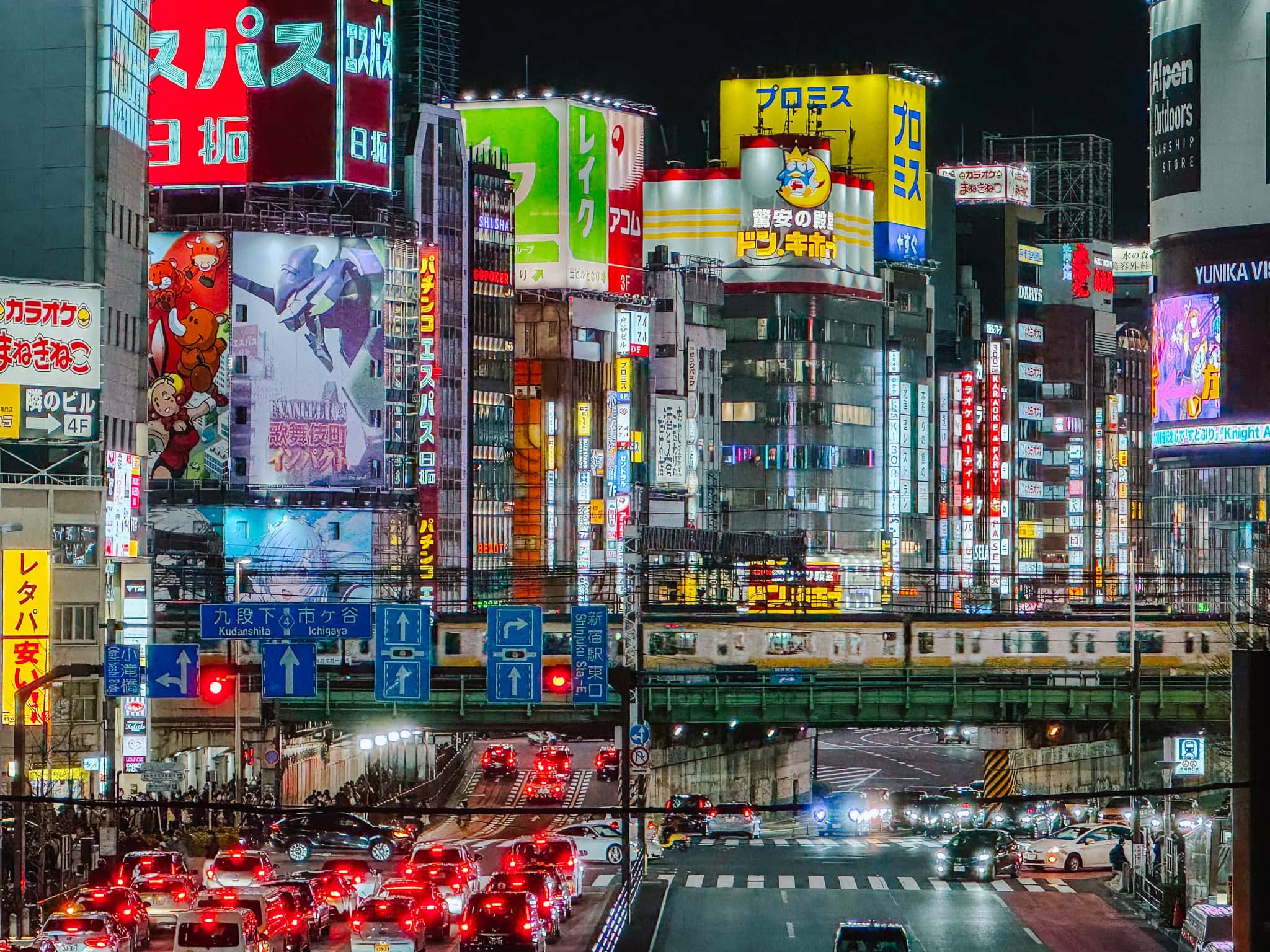
Pros: This area is perfect for travelers who want to be in the center of the action. You’ll have direct access to major train lines, making day trips and sightseeing smooth and efficient.
It’s also packed with food, nightlife, and shopping. Whether you want a quiet ramen bar mid-night or a full-on karaoke night, it’s all nearby.
Cons: Shinjuku is one of the busiest neighborhoods in Tokyo, and it can feel crowded and overwhelming at times, especially near Shinjuku Station. You will get lost even if you follow the map strictly, so always plan more time for transit.
Kabukicho is also the red light district of Tokyo. While pretty safe, it can feel gritty at night with lots of flashing signs, crowds, and touts soliciting you into some sort of nightlife activity.
The streets also aren’t as clean if that’s something you deeply care about. If you’re looking for a calm, quiet environment or more children-friendly places, this might not be the best fit.
Where to Stay in Shinjuku
📍Tokyu Stay Shinjuku ($$): Best for budget-conscious travelers who want convenience. Located in the heart of Shinjuku with simple rooms, laundry machines, and everything you need for a practical stay.
📍Hotel Gracery Shinjuku ($$): Best known for the Godzilla head on the terrace. Right in the middle of Kabukicho, fun, central, and full of energy.
📍Hyatt Regency Tokyo ($$$): Best modern hotel with easy access to Shinjuku. Elegant, quiet, and walkable to Tochomae Station and Shinjuku Chuo Park.

Things to Do in Shinjuku
Shinjuku has a bit of everything: neon streets, back-alley bars, green spaces, and late-night chaos. Whether you’re in the mood to explore, eat, or just people-watch, this area stays busy from morning to midnight.
Explore Kabukicho (with awareness): Shinjuku’s most notorious district is loud, bright, and packed with restaurants, bars, and clubs. It’s safe, but expect to be approached, just stay aware and know what you don’t want.
Try a local izakaya crawl: Want to drink like a local? This tour takes you to hidden izakayas and bars you probably wouldn’t find on your own.
Wander through Omoide Yokocho: Known as “Memory Lane,” this narrow alley is packed with tiny yakitori joints and retro izakayas that feel straight out of another era.
Watch Godzilla light up the skyline: If the Godzilla head isn’t enough, head to the Tokyo Metropolitan Government Building for a free panoramic view of the city before 5 PM. On select nights, stick around outside to catch the Godzilla projection on the building itself.
Recharge at Shinjuku Gyoen National Garden: One of Tokyo’s prettiest green spaces, this park blends traditional Japanese design with European gardens. A calm, spacious break from the city buzz.

Tokyo Station / Ginza Area
This area is ideal if you’re planning day trips, arriving by Shinkansen, or just want a more polished, easy-to-navigate part of the city.
Tokyo Station is a major transportation hub with direct access to the Shinkansen, Narita Express, and JR lines like the Yamanote. You can reach places like Kyoto, Hakone, or Nikko without hassle, and getting to or from the airport is simple.
Ginza sits just next door and brings a more refined, upscale vibe. Think luxury shopping, art galleries, high-end dining, and wide, walkable streets. It’s calm without feeling boring, and while it’s not big on nightlife, it’s perfect if you prefer quieter evenings and well-lit sidewalks.
Pros: Super convenient for day trips and going in and out to other cities, train transfers, and first-time travelers who want everything to run smoothly.
Clean and upscale, great for families, business travelers, and anyone who values comfort and walkability.
Cons: Less “local” or fun feeling, it’s more business and classy. It’s not the best spot if you’re chasing quirky cafes, youth culture, or late-night street energy. Hotels here can be pricier, and the neighborhood leans more polished than playful.

Where to stay in Tokyo Station / Ginza Area
📍KOKO Hotel Ginza 1-Chome ($$): Best budget stay for convenience to Ginza, walkable to Tokyo Station. Simple, clean, and walkable to major shops and subway stations.
📍Mitsui Garden Hotel Ginza Premier ($$$): Best for a modern classic with panoramic views of the city. Sleek design, great location, and a calm atmosphere above the Ginza bustle.
📍Aman Tokyo ($$$$$): Best for a classic, timeless luxury stay. Impeccable service, minimalist architecture, and stunning skyline views in the heart of the city.
Things to Do in Tokyo Station / Ginza Area
This area may feel more business, but there’s still plenty to explore, especially if you’re into shopping, art, or culture with a quieter pace.
Shop underground at Tokyo Station: From Character Street filled with anime, manga, and pop culture shops to sweets and souvenir zones, Tokyo Station’s underground is a mini city of its own. Great for last-minute gifts or escaping the weather.
See traditional performance at Kabukiza Theatre: Even if you’re not into full-length kabuki shows, you can explore the building, shop, or book a short performance with English subtitles.
Stroll and shop in Ginza: Ginza is home to flagships like Uniqlo’s multi-floor store, specialty stationary shop Itoya, and luxury names from Chanel to Cartier.
Check out the Art Aquarium Museum: A mix of digital art, design, and live goldfish in beautifully lit tanks. Definitely one of the more unique museum experiences in Tokyo.
Asakusa / Oshiage Area
If you’re drawn to traditional Japan, riverside walks, and a slower-paced vibe, Asakusa or Oshiage is the best area to stay. This part of Tokyo offers a glimpse into the city’s historic roots while still being connected enough for easy sightseeing.
Asakusa is best known for Sensoji Temple, Tokyo’s oldest temple, along with Nakamise-dori, a pedestrian shopping street filled with souvenirs and classic Japanese street snacks. It’s a great area to explore on foot, especially in the evening when the crowds thin out and the lanterns light up.
Just a few stops away, Oshiage brings a more modern and residential feel. It’s home to Tokyo Skytree, one of the tallest towers in the world, and offers scenic river views, wide streets, and a quieter atmosphere. It’s a solid choice for families or travelers who want a relaxing place to wind down after sightseeing.
While it’s not as central as Shinjuku or Tokyo Station, the metro access is still strong with lines like the Asakusa and Hanzomon making it easy to reach other parts of the city.

Pros: Great for travelers who want to slow down and enjoy a cultural, traditional experience. Easy access to iconic sights like Sensoji Temple and Tokyo Skytree.
The area feels calm and walkable, with lots of budget-friendly eats and quiet streets. A good fit for families or anyone looking for a more peaceful base.
Cons: Less convenient for nightlife, shopping, or quick city-hopping. You’ll rely more on the metro to get to popular hubs, and train times can take longer depending on your plans. The pace is slower here, which is perfect for some but might feel too quiet for others.
Where to Stay in Asakusa / Oshiage Area
📍HOP INN Tokyo Asakusa ($$): Best for budget stays, just steps from Nakamise Street. Clean, simple, and perfect for travelers who want to explore on foot.
📍Lotte City Hotel Kinshicho ($$$): Best for a great Tokyo Skytree view and for families. Spacious rooms, reliable comfort, and direct access to transit options.
📍Mimaru Suites Tokyo Asakusa ($$$$): Best for apartment-style stays and dog-friendly travel. Two-bedroom suites with kitchens, great for families or longer visits.
Things to Do in Asakusa / Oshiage Area
This area gives you a great mix of cultural landmarks and scenic views, all with a slower, more traditional pace.
Visit Sensoji Temple: Tokyo’s oldest temple and one of the most visited sites in the city. Walk through the iconic Kaminarimon gate. Classic Japanese souvenirs, street food like melonpan and ningyo-yaki along Nakamise Street, and soak up the historic energy.
Head up Tokyo Skytree: For panoramic views of Tokyo (and on clear days, Mount Fuji), this is the tallest tower in Japan. Inside, you’ll also find a full shopping complex and an aquarium, and seasonal anime exhibitions.
Watch a cabaret show at Asakusa Kaguwa: A colorful, high-energy blend of traditional Japanese dance and modern stage performance.
Customize Your Own Shirt at Uniqlo Asakusa: A beautifully designed space, not as crowded as the flagship in Ginza, and just as many customization options.

Tokyo Hotels Near Train Stations
The last thing you want after a full day of exploring Tokyo is a 30-minute walk just to get back to your hotel. When you’re traveling, location really is everything.
These hotels are all steps from major train stations like Tokyo Station, Shinjuku Station, and Kinshicho Station, so getting around is simple, and getting home at the end of the day doesn’t feel like another mission.
Whether you’re heading to the airport, planning day trips, or just want a stress-free base, these spots are as convenient as it gets.
📍Lotte City Hotel Kinshicho ($$$): Best for a great Skytree view and family stays. Metro access is as easy as it gets with Kinshicho Station in the same building and the JR station just a few steps away.
📍Four Seasons Hotel Tokyo at Marunouchi ($$$$): Best for luxury with unbeatable city views, just steps from Tokyo Station.
📍Hyatt Regency Tokyo ($$$): Best modern hotel with easy access to Shinjuku Station via the Tochomae metro station.
Tokyo Hotels with Onsen
While Tokyo isn’t known for natural hot springs like Hakone or Beppu, you can still enjoy the onsen experience without leaving the city.
If you’re short on time or just want to relax in a traditional setting, these hotels offer the next best thing.
📍Ryokan Asakusa Shigetsu ($$): Best for a nice, affordable ryokan-style stay with a small rooftop bath and views of Sensoji Temple.
📍Prostyle Ryokan Tokyo Asakusa ($$$): Mid-range ryokan experience that blends traditional aesthetics with modern comfort.
📍Hoshinoya Tokyo ($$$$$): Best for a luxurious stay. Full ryokan experience in the heart of the city with a private onsen floor and tatami-style rooms.
Where to Stay in Tokyo to Go to Disneyland
If visiting Tokyo Disneyland or DisneySea is on your list, staying near the resort makes everything easier, especially with early mornings, excited kids, or limited time.
These hotels offer free shuttles to the park, themed rooms, and quick access so you don’t have to worry about long train rides after a full day of fun. Whether you’re going for the full Disney magic or just need a comfortable base nearby, these picks deliver on convenience and comfort.
📍Tokyo Disneyland Hotel ($$$$): Official Disney hotel located right at the entrance of the park. Perfect for early access, themed décor, and a fully immersive experience.
📍Hilton Tokyo Bay ($$$): Best for family-friendly themed rooms and direct access to the Disney Resort Line.
📍Tokyo Bay Maihama Hotel ($$$): Best for a relaxing stay near the park, with a great spa and peaceful vibe after a busy day.
Where to Stay Near Haneda Airport
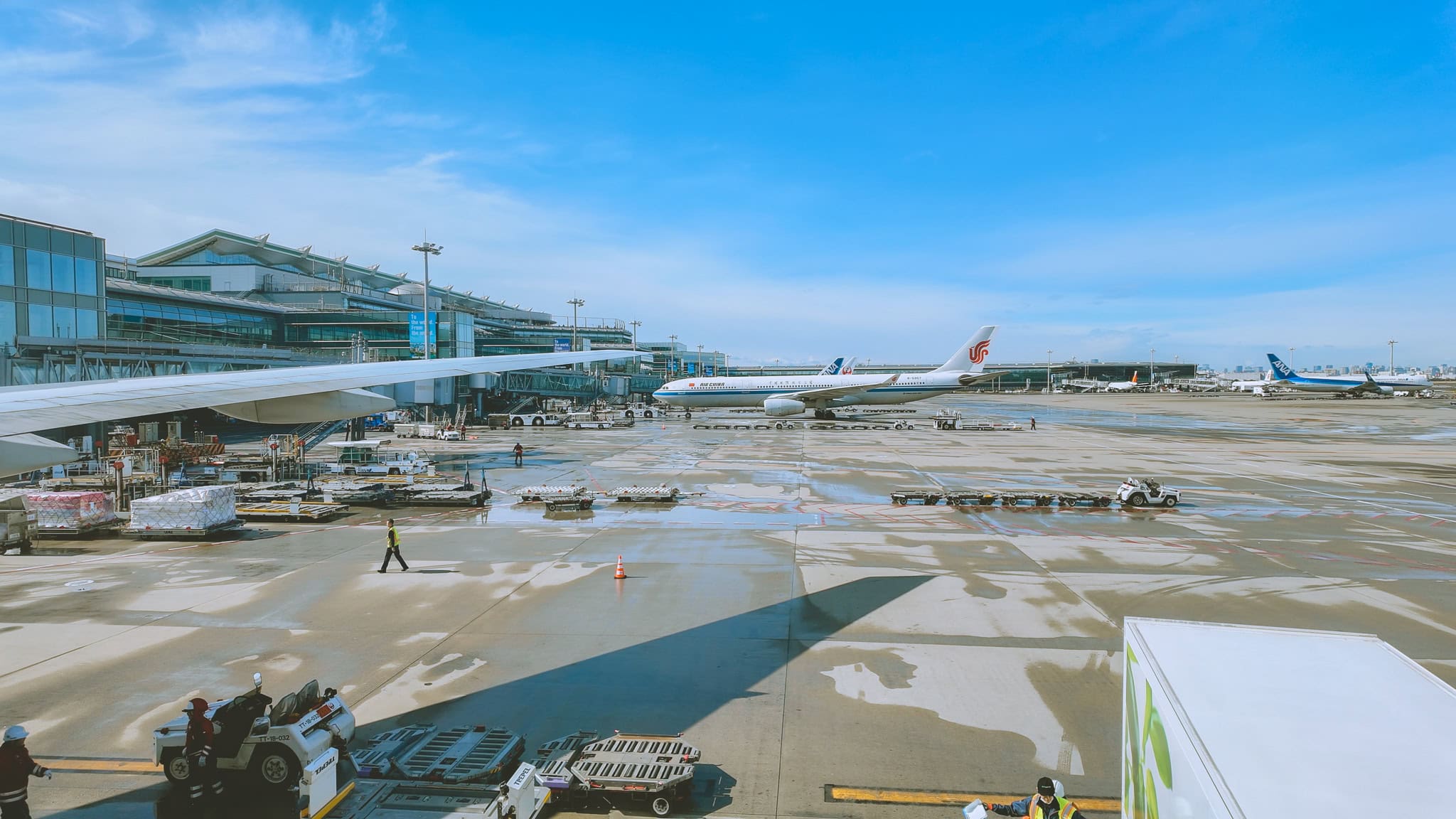
If you have an early flight, a late arrival, or just want to skip the stress of cross-city transfers, staying near Haneda Airport can make all the difference. These hotels offer easy access to Terminal 3, either by direct walkway, shuttle, or a short ride.
📍Hotel Villa Fontaine Grand Haneda Airport ($$): Best for stays within walking distance to Terminal 3. Connected to the airport via a footbridge with onsite dining and a large public bath.
📍The Royal Park Hotel Tokyo Haneda Airport Terminal 3 ($$): Best for direct access to the departure level of Terminal 3. Great for super early flights with zero commute.
📍Hotel JAL City Haneda Tokyo ($$): Best for relaxing views of the runway with free airport shuttle service and cozy, modern rooms.
Where to Stay Near Narita Airport
Narita Airport is located outside central Tokyo, so if you’re flying in late, departing early, or just want to skip the 1.5-hour train ride after a long flight, staying nearby is a smart move.
These hotels offer either direct terminal access or free shuttles, making them great options for convenience, rest, and minimizing travel stress on either end of your trip.
📍9h nine hours Narita Airport ($): Best for a modern capsule hotel with direct access to the terminal, perfect for solo travelers or quick overnights.
📍Hilton Tokyo Narita Airport ($$): Best for a full-service hotel experience near Narita, with spacious rooms, spa amenities, and on-site dining.
📍International Garden Hotel Narita ($$): Best for a reliable stay near Narita Airport, with a free shuttle and peaceful surroundings.
How to Decide Where to Stay in Tokyo
Before booking your Tokyo hotel, think about 3 things: your budget, where you plan to go, and who you’re traveling with. The city is huge, so choosing the right location will save you a lot of time and energy. The goal is simple: find a place that fits your needs and is close to everything, especially public transportation.
Here are a few things to keep in mind:
Budget
How much are you comfortable spending per night? Tokyo offers everything from ultra-cheap capsule hotels to high-end luxury properties. But it’s not just about how much you spend, it’s also about what you’re willing to give up for that price point.
For example, are you okay with staying in a dorm-style room and sharing space with strangers if it means saving more money?
Location
What’s on your itinerary? You’ll want to stay somewhere with quick access to the spots you’re most excited to visit. If your Tokyo plans include places like Shibuya, Asakusa, Ginza, or even Tokyo Disneyland, being close to a metro or JR station will save you a lot of commuting time and help you make the most of each day.
Travel style
Who you’re traveling with will also shape what kind of stay makes the most sense.
Families with kids might prefer hotels with larger rooms, quieter neighborhoods, or amenities like kitchenettes and easy access to parks. If you’re wondering where to stay in Tokyo with family, look for locations like Oshiage or Tokyo Bay for family-friendly hotels and more space.
Couples can usually go with smaller rooms, maybe a great view, or every try something a little playful like a love hotel. (We’ve tried over 20 of them, but that’s a story for another post) 🙂
Groups will benefit from apartment-style setups or hotels with flexible bedding that can accommodate multiple people in one space.

There is no one-size-fits-all answer for the best hotel in Tokyo. The good news is that there are plenty of comfortable, well-located options for every kind of traveler.
The smartest thing you can do is stay within a few minutes’ walk of a metro or JR station. If you’re trying to figure out where to stay in Tokyo that is close to everything, areas like Shinjuku, Tokyo Station, or Ueno give you the best transit access without compromising comfort.
One last tip: if you are not staying in Tokyo for an extended period, try to stick to just one hotel during your trip. Changing hotels might sound like a fun way to experience different neighborhoods, but the hassle of moving luggage, waiting for check-ins, and dealing with early check-outs often outweighs the benefit when your time is limited.
FAQ About Places to Stay in Tokyo
We hope the recommendations above help you find the right place to stay in Tokyo. But if you still have questions, you’re not alone. We’re often asked about what to expect, how things work, and how to make the most of your hotel stay.
Below are some of the most common questions, along with clear, practical answers to help you feel more prepared.
How Does Luggage Delivery Service Work with Hotels in Tokyo?
Luggage delivery services in Tokyo are incredibly convenient if you want to avoid carrying your suitcase around while sightseeing. You can send your bags from the airport to your hotel, from one hotel to another, or even from your hotel back to the airport.
This is especially helpful if you plan to explore right after landing or are switching hotels during your trip. Most hotel front desks or airport counters can help you arrange it. You’ll fill out a simple form, pay a small fee, and your luggage will be delivered to your next destination.
Same-day delivery is often available, but be sure to check the cut-off time to ensure your bags arrive when needed.

Tokyo Hotel vs Airbnb: What’s the Difference?
Hotels in Tokyo are professionally managed, which means easier check-in, reliable cleaning, and better access to services like luggage delivery. Most hotels will accept and forward your bags, while many Airbnbs do not, so you’d need to use a convenience store or arrange another location if you want to ship your luggage.
For longer stays, we prefer Airbnb or VRBO because they often include a private washer and dryer, while hotels usually offer shared coin laundry.
Hotels are generally located closer to major train or metro stations, while Airbnbs tend to be in quieter residential neighborhoods. These areas offer more local charm but may require a bit more walking, depending on the location.
What Are Tokyo Capsule Hotels Like?
Capsule hotels in Tokyo are compact, clean, and surprisingly comfortable. You sleep in a private capsule that feels like a small pod: futuristic, minimal, and designed for rest.
Each capsule usually includes a mattress, bedding, reading light, power outlet, small TV, and a curtain or door for privacy. Bathrooms, toilets, and showers are all shared, similar to a dorm setup.
Most capsule hotels separate floors by gender, although some offer mixed-gender spaces. They’re a great option for solo travelers looking for an affordable and efficient place to sleep.

Why Are Hotels in Tokyo So Small?
Hotels in Tokyo are often small because land in the city is extremely limited and expensive. Most accommodations are designed to be compact and efficient, especially in high-traffic areas like Shinjuku or Shibuya.
Many hotels fall under the “business hotel” category, built for short stays where travelers mainly need a place to sleep and store luggage. These rooms usually offer just the basics: a bed, a small desk, and a compact bathroom.
If you’re looking for more space, consider mid-range or apartment-style hotels, or stay in neighborhoods slightly outside the city center where rooms tend to be more spacious.
Do’s and Don’ts for Hotels in Tokyo
Do:
- Respect quiet hours and keep your voice down. Walls are often thin.
- Take your shoes off if you’re staying in a traditional-style room.
- Say “arigatou gozaimasu” (thank you) when checking in or getting help. Small gestures are appreciated.
Don’t:
- Don’t expect early check-in without arranging it ahead of time. Staff follow tight schedules, and unexpected early arrivals can cause issues.
- Don’t talk loudly in hallways or common areas, especially at night.
- Don’t assume every hotel will handle luggage forwarding. Always confirm with the front desk first.
Conclusion:
Tokyo has no shortage of great places to stay, whether you’re looking for traditional charm, modern luxury, or just somewhere clean and convenient to crash after a full day of exploring. The key is finding the right balance between location, budget, and travel style, especially in a city this big and well-connected.
We hope this guide helped you narrow down your options and feel more confident booking your accommodations. Whether you’re staying near the action in Shinjuku, exploring old Tokyo in Asakusa, or catching sunrise views from a hotel near the airport, there’s a spot in Tokyo that fits your trip perfectly.
Safe travels, and enjoy every minute in this incredible city.
You must be logged in to post a comment.