

15 Best Things to Do in Hiroshima in 2026: Culture, History, Food, and Nature
Hiroshima is one of those cities that balances reflection with renewal. Known for its pivotal place in history, it also offers a rich mix of culture, food, nature, and meaningful experiences that go far beyond the textbook version of Japan.
We lived in Tokyo and spent years exploring different corners of the country. After two visits to Hiroshima, each in a different season with a different focus, we pulled together a list of the best things to do in Hiroshima: hands-on cultural experiences, powerful historic sites, peaceful nature and scenic spots, and glimpses into local life and fun.
Whether it’s your first trip or your fifth, we hope this helps you plan something memorable.
Plan your trip with our favorite resources
Where to Stay in Japan: check best deals
Transport & activities: klook.com (save up to 10% with code DANAYAO)
eSIM for Japan: stay connected with Airalo
Is Hiroshima Worth Visiting?
Yes. Hiroshima is absolutely worth visiting.
This is where one of the most defining moments in modern history happened. You can stand at the site of the atomic bomb’s hypocenter, visit the Peace Memorial Museum, and walk through memorials that bring personal stories to the forefront. These aren’t just places that share facts, they make you feel something. And that alone is reason enough to come.
But there’s more here than history. The city is calm, welcoming, and filled with green spaces, waterfront views, and cultural depth. You can explore peaceful gardens, watch a traditional Kagura performance, try your hand at Japanese lacquerware, and eat some of the best okonomiyaki you’ll ever have. Whether you’re here for a day or a few, Hiroshima offers an experience that sticks with you.
If you’re short on time but still want to see the highlights, check out our Hiroshima 1 Day Itinerary to help you make the most of it.
What Is Hiroshima Known For?
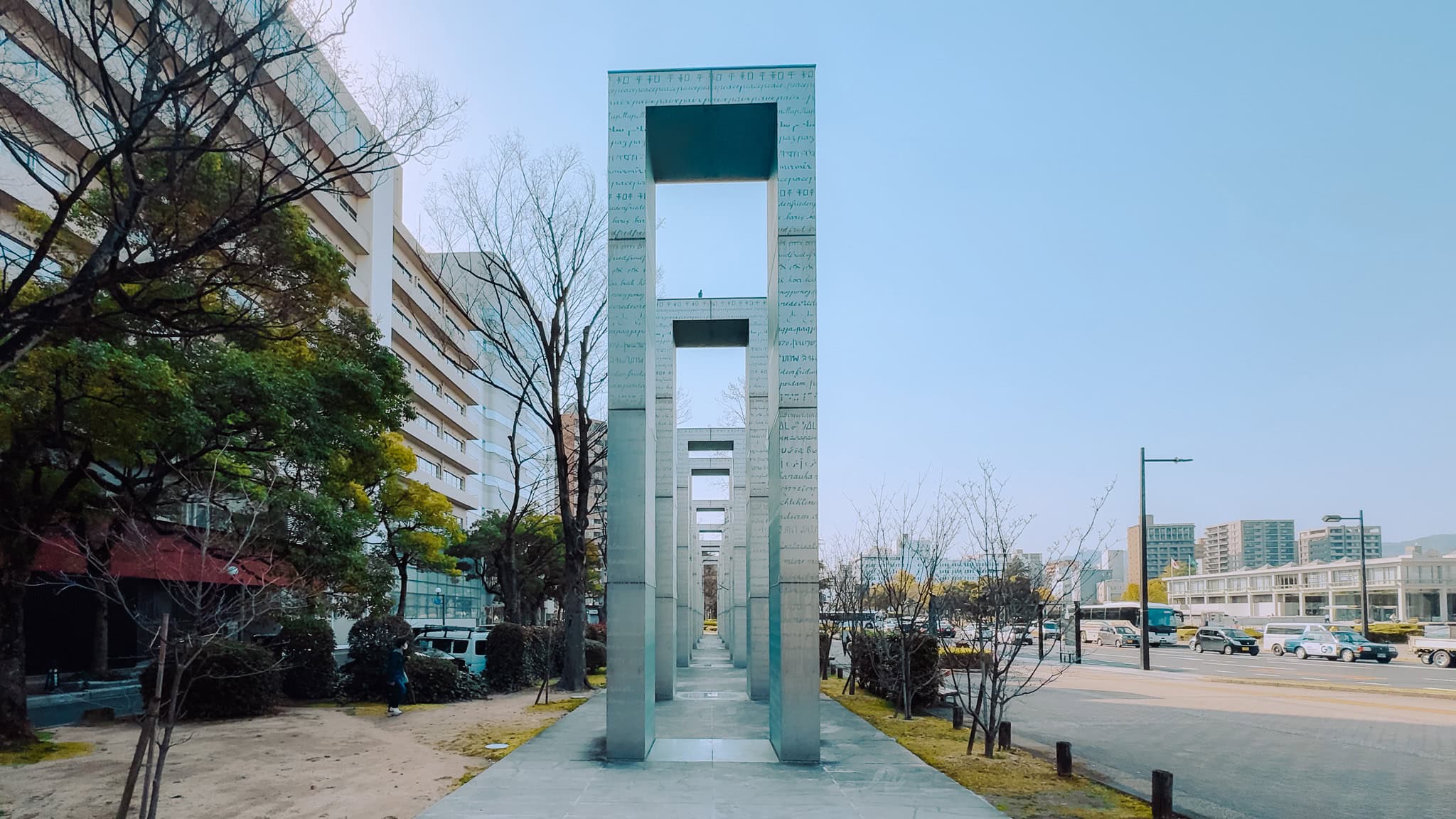
Most people know Hiroshima because of its history. It was one of two cities struck by an atomic bomb during World War II, and that legacy is still very present. You’ll see it in places like the Peace Memorial Park, the Atomic Bomb Dome, and the museum. All powerful reminders of what happened here and how far the city has come.
But Hiroshima isn’t just about what it endured. It’s also about how it rebuilt, and what it stands for now. The city is calm, thoughtful, and deeply committed to peace. You feel that energy in how people talk, how spaces are designed, and even in the way the city tells its own story.
Beyond that, Hiroshima is a great place to eat and explore. This is where Hiroshima-style okonomiyaki was born: a layered, savory pancake with noodles and toppings cooked right in front of you. We always go for the version with oysters. The region is also known for momiji manju (maple leaf shaped sweets), Setouchi-grown lemons, and fresh seafood straight from the bay.
Culturally, you’ll find traditional performance arts like Kagura and hands-on craft experiences, from Kumano brush making to Japanese lacquerware. And while the history brings people here, it’s often the surrounding nature and slower pace that make them want to stay longer.
15 things to do in Hiroshima
From hands-on cultural workshops to quiet historic landmarks, peaceful nature escapes, food worth traveling for, and the kind of local life that gives a city real character, Hiroshima offers more than a one-note itinerary.
Cultural Experiences
These aren’t your typical museum stops. They’re immersive, hands-on, and deeply tied to Hiroshima’s identity, past and present. Whether you’re crafting, performing, or just observing, each of these gives you a deeper connection to the region and its people.
1. Hiroshima Lacquer Studio and Workshop
This isn’t just any lacquer workshop. You’re learning directly from Naoya Takayama, the artist behind the lacquer gifts presented to world leaders at the 2023 G7 Summit.
Set inside his personal studio, this session gives you a look at original pieces inspired by Hiroshima’s landscape and history, along with a hands-on lacquer painting experience. Takayama’s style blends tradition with modern form, and under his guidance, you’ll create something truly unique to take home.
2. Kumano Brush Factory Tour and Brush-Making Experience
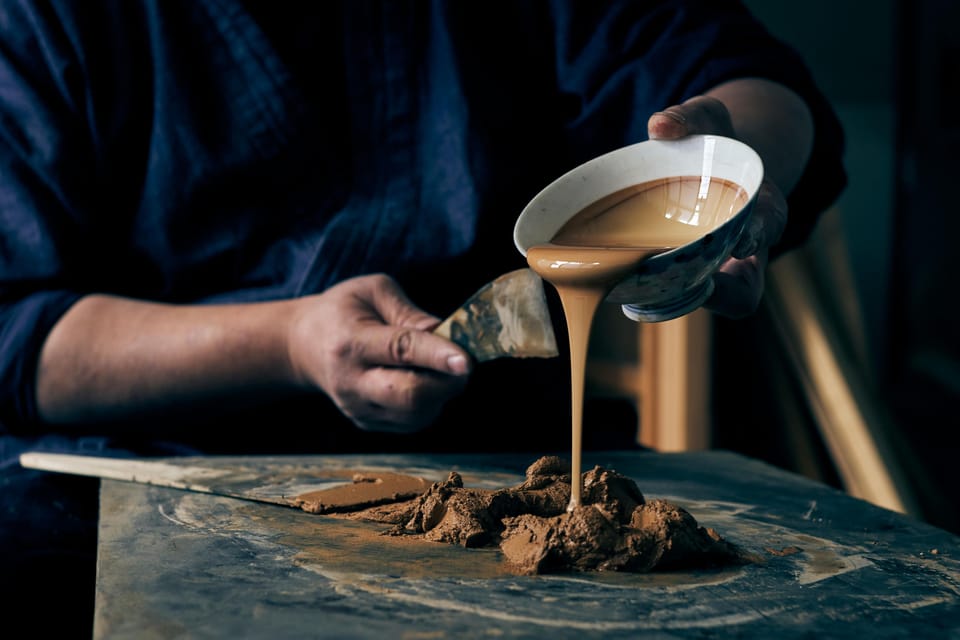
Kumano Town is home to Japan’s most famous brushes: the kind used in everything from traditional calligraphy to high-end makeup. At the Koyudo factory, you’ll tour the workshop and then create your own brush. You can choose from different shapes (there’s even one styled like a rose), and engrave your name into the handle for a one-of-a-kind souvenir.
The whole experience takes about 45 minutes and wraps with a visit to the shop, where you can browse Koyudo’s best-sellers like their heart-shaped cheek brush. It’s creative, peaceful, and surprisingly meditative.
3. Japanese Archery Experience Hiroshima Castle Sharaku
This is a full immersion into kyudo, the Japanese martial art of archery. You’ll suit up in a traditional uniform, learn the basics of stance and focus, and shoot real arrows at the target, even as a complete beginner. Unlike Western archery, every movement in kyudo is part of a choreographed routine meant to bring mind and body into alignment.
The setting outside Hiroshima Castle is a bonus, and yes, this is also very photogenic! But it’s more than that. The rhythm of the process, the quiet focus, it’s something you feel.
4. Hiroshima Kagura Performance
Kagura is a traditional dance-theater native to this region, blending stories from Japanese mythology with dramatic costumes and live music. Performances take place weekly, with different local troupes rotating in. English subtitles are included, which makes it accessible without watering it down.
After the show, you can go backstage to meet the performers, ask questions, and even try on some of the masks and costumes. It’s small-group only, which keeps it intimate and gives you time to really connect with the people keeping this tradition alive.

5. Soul of Hiroshima: Koto Workshop
This one is special. The koto is a 13-string traditional instrument with over 1,300 years of history. In this workshop, you’ll learn how to play it, and you’ll participate in a collective performance of Echo of Serenity, a piece created to honor the victims of the atomic bombing.
You don’t need any musical experience. The instructors guide you step by step, from posture to plucking techniques. The studio is near Peace Memorial Park, which makes the experience feel even more rooted in place. At the end, you’ll get a professional video of your performance and a hand-folded paper crane as a memento.
It’s one of those quiet, powerful things you do on a trip that stays with you long after you leave.

Historic Sites
You can’t talk about Hiroshima without acknowledging what happened here. But what stands out most is how the city has turned grief into action and remembrance into something truly moving. These sites go beyond the facts, they leave you feeling something.
6. Hiroshima Peace Memorial Museum
This museum is at the heart of Hiroshima’s story. It documents the events before, during, and after the atomic bombing through personal stories, photographs, artifacts, and reconstructed models. You’ll see items left behind by victims, learn about their lives, and get a better understanding of how the bombing shaped the city’s identity.
It’s heavy, sobering, and important. Plan for at least 1.5 to 2 hours, and give yourself time after to walk or sit quietly in Peace Memorial Park.
Bonus: discounts are available if you have the Hiroshima Omotenashi Pass or Visit Hiroshima Tourist Pass.
7. Peace Memorial Park and Children’s Peace Monument
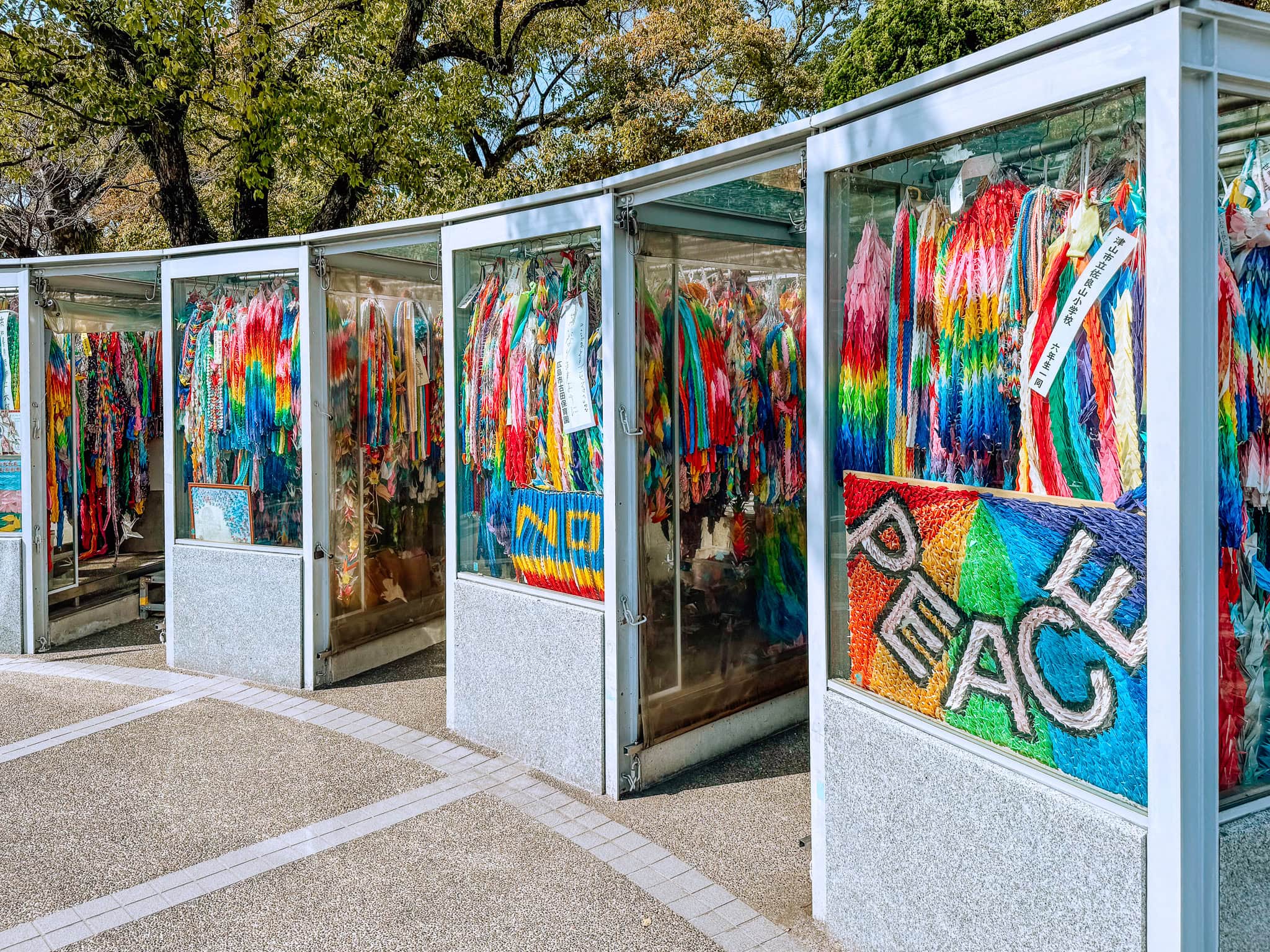
Peace Memorial Park is more than just a green space. It’s a carefully designed memorial district filled with monuments dedicated to the victims of the atomic bomb. One of the most touching is the Children’s Peace Monument, honoring Sadako Sasaki and the thousands of children affected.
Sadako’s story, folding 1,000 paper cranes in hopes of recovery, has become a symbol of peace worldwide. You can view glass cases filled with cranes sent from around the world, fold your own, and even leave a message.
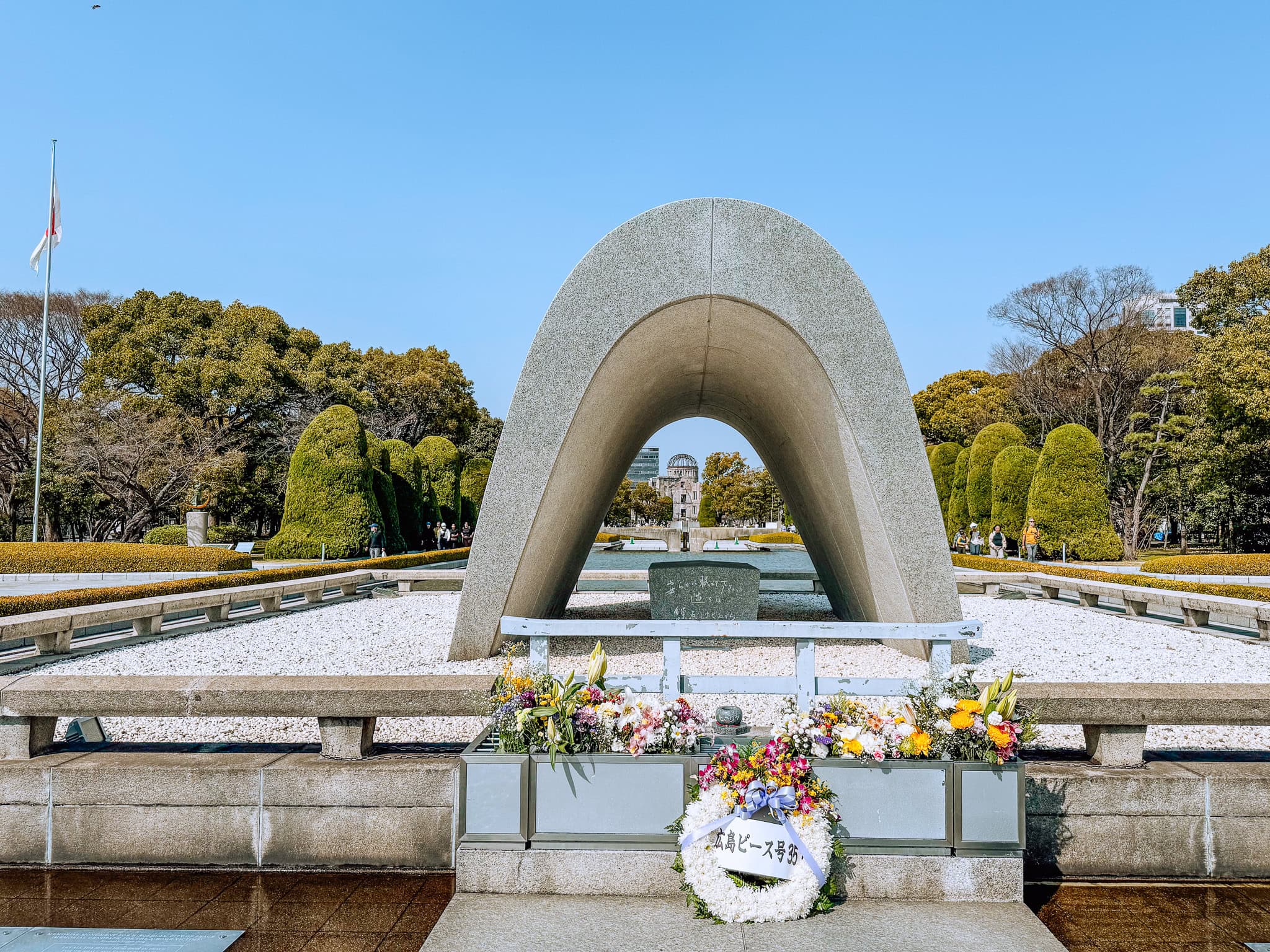
Nearby, the Flame of Peace burns continuously as a symbol of hope and a future without nuclear weapons.
8. Atomic Bomb Dome
Just 160 meters from the bomb’s hypocenter, this was one of the few buildings left standing after the blast. Formerly the Hiroshima Prefectural Industrial Promotion Hall, it’s now preserved as a UNESCO World Heritage Site.
You can’t go inside, but walking its perimeter is enough. The structure, partially skeletal and untouched since the bombing, is quiet but powerful. Seeing it in person hits differently than any photo ever could.
9. Hiroshima Castle (Carp Castle)
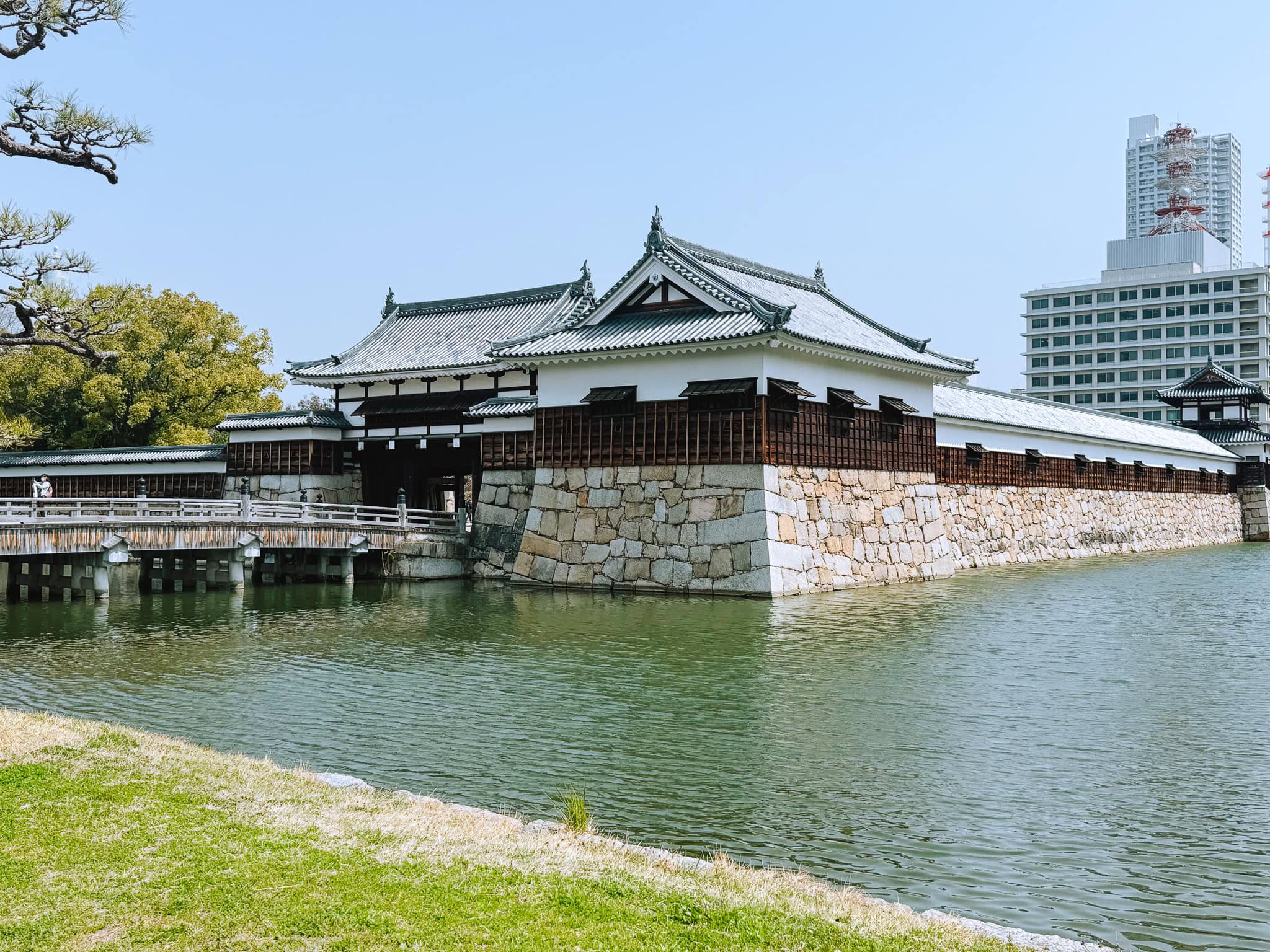
Originally built in 1598 by warlord Mōri Terumoto, Hiroshima Castle was once home to powerful samurai clans. The original structure was destroyed by the atomic bomb, but its main keep was reconstructed in 1958 and now serves as a museum dedicated to Hiroshima’s history and samurai culture.
Inside, you’ll find artifacts, armor, and historical insights into the region’s feudal era. The top floor has a panoramic view of the city, especially beautiful in cherry blossom season. Outside, the Ninomaru area is free to enter, and a new Sannomaru district with cafes and dining is scheduled to open in March 2025.
Also worth noting: 3 trees on the castle grounds survived the atomic blast. A holly, eucalyptus, and willow, quietly standing as living reminders.
Nature and Scenic Spots
Stepping outside the city center, you’ll find another side of it. Think rivers, mountains, peaceful gardens, and ocean views. These are the spots where you slow down, catch your breath, and see why people return here for more than just the past.
10. Oku-Yuki River Trekking
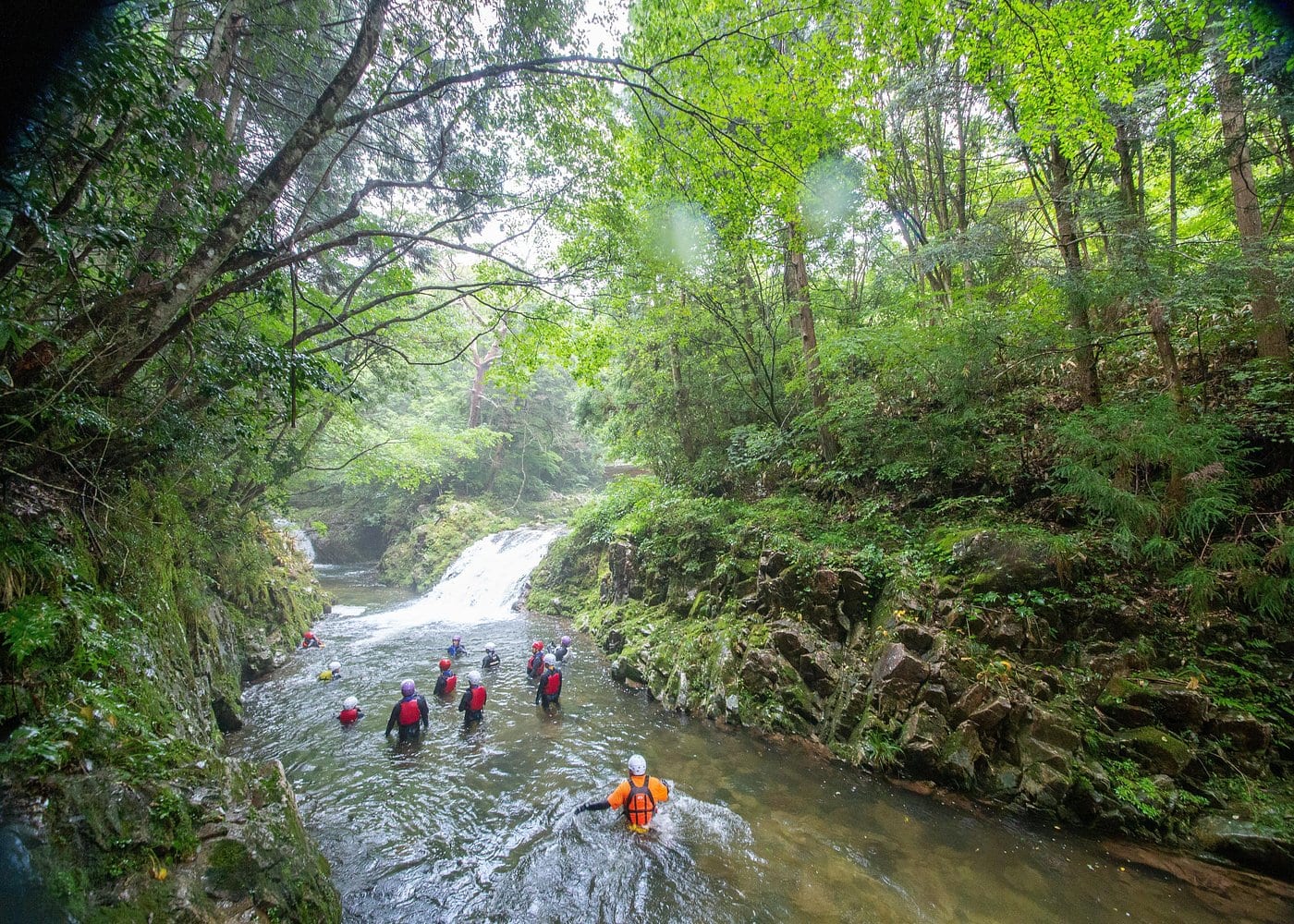
If you’re craving nature and adventure, this half-day river trek is a fun and refreshing way to do it. Just about an hour from the city, the Minochi River flows through lush mountain terrain filled with waterfalls, natural slides, and deep pools. You’ll follow the river upstream, climbing over boulders, wading through current, and even jumping off cliffs if you’re up for it.
The route is safe and beginner-friendly, and the guides are great at keeping the energy supportive and lighthearted. It’s also a chance to learn about the area’s ecology and connection to Japan’s Sustainable Development Goals. That balance of adventure, nature, and purpose makes it feel like more than just a day in the water.
11. Shukkei-en Garden
Shukkei-en is small in size but layered in beauty. Originally built over 400 years ago for a feudal lord, the garden is designed to represent mountains, valleys, and rivers all within one landscape. The central Rainbow Bridge is the standout, arching over the pond in a shape meant to connect earth and sky. It was partially damaged during the atomic bombing and rebuilt to match the original form.
Every season changes the mood here. In spring, the cherry blossoms show off. In autumn, the maple leaves burn red and orange. Plum blossoms and hydrangeas bloom through the early months, and over 100 species of birds regularly visit the garden. If you can, go slow. Locals say crossing each bridge brings you into a new world.
12. Visit Miyajima (Day Trip)
Miyajima is just a short ferry ride from Hiroshima and often gets listed as one of the most scenic places in Japan. The main sight is Itsukushima Shrine and its iconic torii gate, which appears to float during high tide and stands in the sand when the tide is low. But don’t stop there.
You can hike or take the ropeway up Mount Misen for sweeping views over the Seto Inland Sea. The trails are peaceful and the temples along the way, like Daisho-in, are quietly powerful. Wild deer roam the island and local shops serve grilled oysters and momiji manju, the maple-leaf shaped sweets Hiroshima is known for.
Stay into the evening if you can. Once the day-trippers leave, the island becomes still in the best way. Watching the sunset over the shrine is worth every minute.

Food
Hiroshima’s food is hearty, local, and full of character. You’ll find fresh seafood, sweet snacks, and comfort dishes done right. But if you only try one thing, make it Hiroshima-style okonomiyaki.
13. Hiroshima-Style Okonomiyaki
This isn’t the fluffy pancake version from Osaka. Hiroshima-style okonomiyaki is grilled in layers: cabbage, noodles, egg, and whatever you want on top. Oysters are a local favorite, and for good reason.
What makes it extra fun is the way it’s served. You sit at the counter, watch your okonomiyaki built right in front of you, and eat it hot off the grill with a tiny spatula. It’s casual, filling, and very Hiroshima.
Two of the most popular places are:
- Nagataya: Right by Peace Memorial Park, tourist-friendly but solid.
- Okonomimura: A building packed with okonomiyaki stalls. Pick one and go.
We always go for the one with oysters, no regrets.

Local Life and Fun
Beyond the history and nature, Hiroshima has its own low-key local rhythm. Shopping arcades, baseball games, and late-night snacks give you a glimpse of how the city lives when it’s not telling its story.
14. Hondori Shopping Street
This covered shopping arcade runs through the heart of downtown and is one of the easiest ways to get a feel for local life. You’ll find everything from fast fashion and drugstores to quirky snack stands, crane game arcades, and underground food courts. It’s especially fun in the evening when locals come out to shop, eat, and unwind. If you’re looking for a quick dinner, cheap souvenirs, or just want to wander without a plan, start here.
15. Hiroshima Carp Game
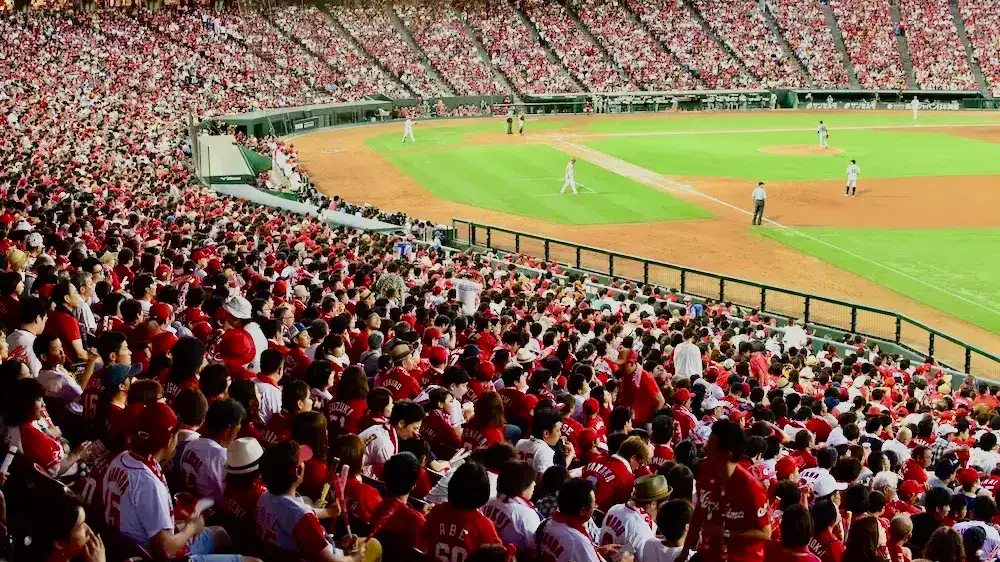
The Hiroshima Carp are more than just a baseball team, they’re local pride in action. Games at Mazda Stadium are loud, energetic, and filled with fans wearing bright red jerseys, cheering in perfect sync. Even if you don’t follow Japanese baseball, it’s easy to get swept up in the vibe. You’ll find beer vendors, bento boxes, and Japanese-style stadium snacks. If the team wins, the whole city feels it. Definitely check the schedule if you’re visiting during the season.
How to Get To and Around Hiroshima
Getting to Hiroshima is easy, whether you’re coming from Tokyo or somewhere in Kansai. Once you’re here, public transportation is simple and well-marked, with most major spots connected by streetcar or on foot.
Getting to Hiroshima
From Tokyo: Take the Tokaido-Sanyo Shinkansen (bullet train). It takes about 4 to 5 hours, depending on the train. If you have the JR Pass, it’s fully covered. Flying is also an option from Haneda, though the airport is a bit outside the city center.
From Kyoto or Osaka: The Shinkansen from either city takes about 1.5 to 2 hours. If you’re doing multiple stops in the region, the Kansai Hiroshima Area Pass (around ¥12,000) can save money and cover all your JR travel in one go.
Getting Around the City
Hiroshima is super walkable. A lot of the main attractions are within 10–20 minutes of each other by foot, especially around Peace Memorial Park. For longer distances:
- Streetcars (Hiroden) and buses are the main transport options.
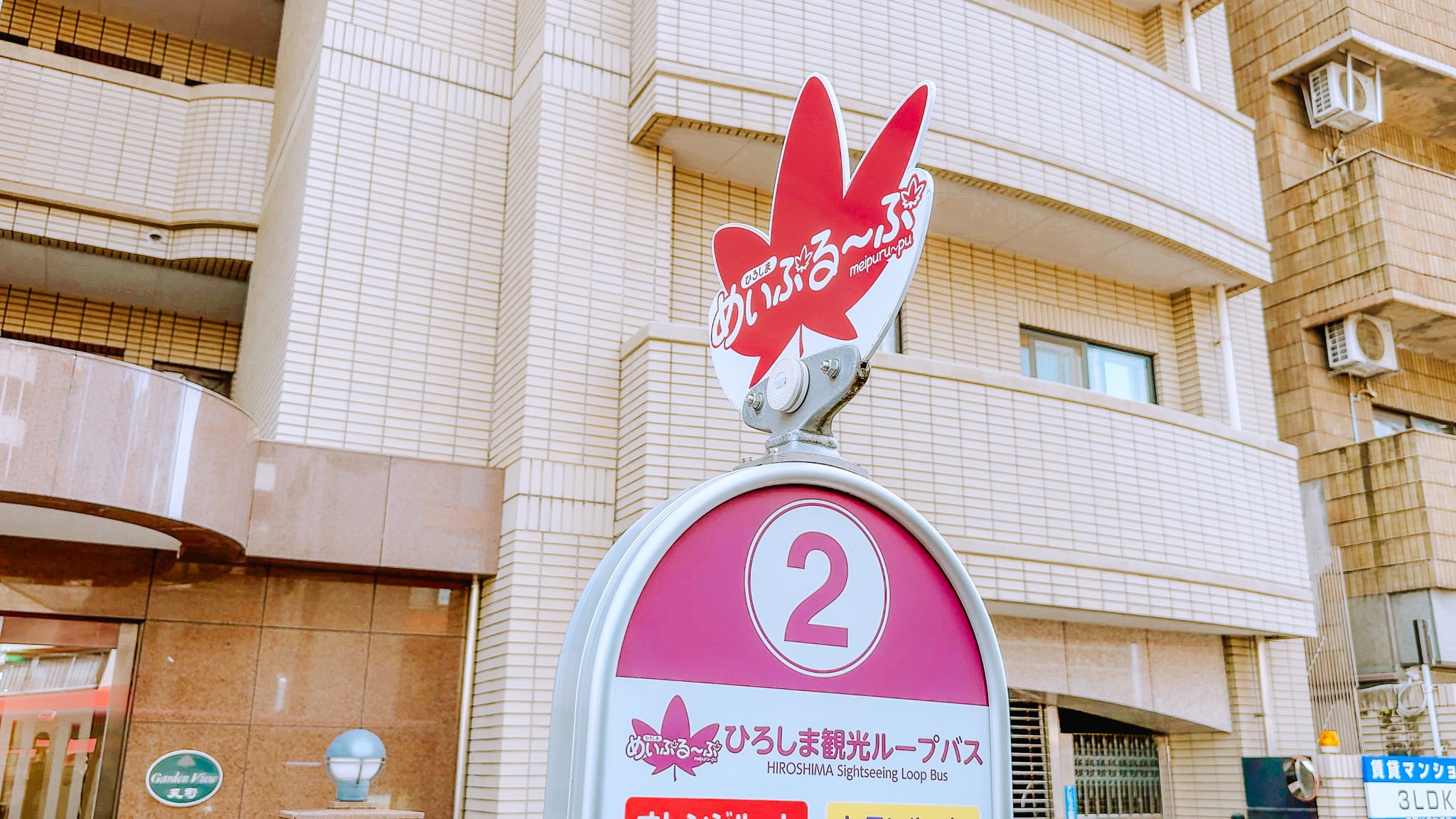
- The Visit Hiroshima Tourist Pass (Middle Area) covers unlimited streetcar and bus rides. It’s available online and at most travel counters.
IC cards like Suica and Pasmo also work on local transit, but the tourist pass is a better deal if you plan to hop around.
Going to Miyajima
If your hotel offers a high-speed boat to Miyajima, take it because it’s scenic and direct. If not, the easiest option is to take the JR line to Miyajimaguchi Station, then hop on the JR West Miyajima Ferry (about ¥400 roundtrip, plus a ¥100 island tax).
The ferry is also included in the Visit Hiroshima Tourist Pass, making it a seamless day trip.
Conclusion
Hiroshima isn’t a one-note destination. It’s a place where history, nature, culture, and everyday life overlap in a way that feels grounded and human. Whether you’re coming for a day or staying longer, there’s so much here to experience. It doesn’t have to feel heavy or rushed.
This guide was built from what we’ve actually seen, done, and loved in Hiroshima. We hope it helps you plan a trip that feels intentional and aligned with how you like to travel. One that gives you time to learn, explore, and enjoy the in-between moments, too.
You must be logged in to post a comment.