

Hiroshima 1 Day Itinerary: How to Explore Hiroshima with Depth (Even If You’re Short on Time)
Hiroshima is one of those places that quietly stays with you. Not because it’s flashy or fast-paced, but because it invites you to slow down and reflect.
We’ve visited Hiroshima a couple of times over the years, each time from a different angle. Though we lived in Tokyo, we made the trip with intention. It’s a city that carries history in its bones, but also pride, beauty, and a fierce sense of hope.
In this Hiroshima travel guide, we’re not just covering the iconic stops you’ve probably already heard about. We’re also highlighting the often-overlooked spots and experiences that deserve more attention, plus where to stay if you’re sticking around overnight, and practical tips to help you navigate your visit with ease.
Plan your trip with our favorite resources
Where to Stay in Japan: check best deals
Transport & activities: klook.com (save up to 10% with code DANAYAO)
eSIM for Japan: stay connected with Airalo
Is Hiroshima Worth Visiting?
Yes. Hiroshima is one of the most important places you can visit in Japan.
It’s where you can see the lasting impact of one of the most pivotal events in modern history. Sites like the Peace Memorial Museum, the Atomic Bomb Dome, the Flame of Peace, and the Children’s Peace Monument don’t just present facts. They create space for reflection. These places don’t just tell history. They make you feel it.
But it’s not all heavy. The city is calm, clean, and full of green spaces. You’ll find gardens that have been around for centuries, a rebuilt castle, and even trees that survived the atomic blast.
It’s also where we had some of the best okonomiyaki we’ve ever eaten. And if you have an extra day, it’s the perfect base for a visit to Miyajima, where the floating torii gate lives up to the hype.
How Many Days Do I Need in Hiroshima?
If you’re short on time, one full day is enough to see the main highlights. You can visit the Peace Memorial Park and Museum, walk through the city’s historic sites, and still grab a good meal or two. It’s a tight day, but doable.
Two days gives you more breathing room. With an extra day, you can go deeper: spend more time at the memorials, explore cultural sites like Shukkei-en Garden or Hiroshima Castle, and get a better feel for the city’s atmosphere.
You’ll be able to move at a slower pace, visit a few less-touristed spots, and experience more of what makes Hiroshima unique. You can also participate in local workshops and experiences like a Hiroshima Kagura performance or river trekking if you’re into nature and want to see another side of the region.
On top of that, we highly recommend adding a separate day trip to Miyajima. It’s easily accessible from Hiroshima and absolutely worth setting aside a full day for. This is especially worth it if you want to see the floating torii gate, hike Mount Misen, or enjoy a local ryokan experience.
1-Day Hiroshima Itinerary
This 1-day itinerary is designed to help you experience Hiroshima’s key landmarks while still leaving space to slow down, eat well, and actually enjoy the day. It covers major historical sites, a few underrated spots, and plenty of chances to pause and take it all in.
Morning
Start your day with quiet reflection and historical context. This part of the city is walkable and easy to navigate.
Shukkei-en Garden (260 yen): A peaceful garden with over 400 years of history, featuring a central pond, scenic bridges, and seasonal flowers year-round. It’s also home to three trees that survived the atomic bombing, a reminder of resilience tucked into a calm, green space.
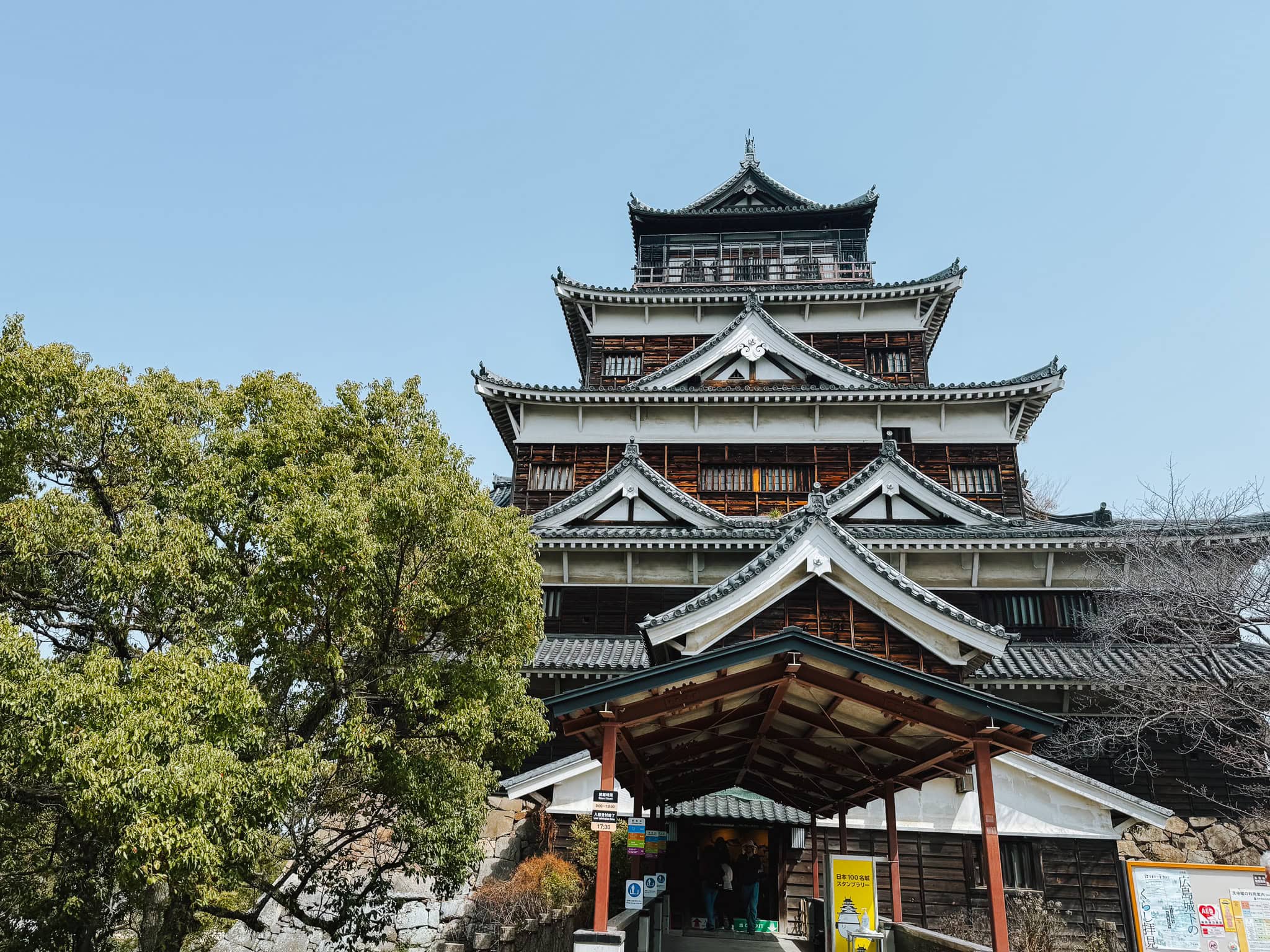
Hiroshima Castle (Carp Castle): Originally built in the late 1500s, destroyed by the bombing, and later rebuilt, Hiroshima Castle offers great city views from the top floor. You’ll also find three more A-bomb survivor trees here: a holly, eucalyptus, and willow. The castle grounds are especially scenic during cherry blossom season.
Hiroshima Gokoku Shrine: Located on the castle grounds, this Shinto shrine is dedicated to those who died in wars serving Japan. It’s one of the largest shrines in the city and is often overlooked by visitors rushing to the museum district.
Lunch
Hiroshima is famous for its layered style of okonomiyaki: a savory pancake made with thin batter, cabbage, bean sprouts, pork, noodles (yes, noodles), and egg, all stacked and grilled to order. It’s cooked right in front of you and served hot off the teppan. Kinda messy, comforting, and ridiculously good.
We tried it. It delivered. Here are two great options:
Nagataya: A well-loved spot just before Peace Memorial Park. It’s tourist-friendly without feeling gimmicky, and they have English menus. Expect a wait during lunch hours, but it moves quickly.
Okonomimura: A three-floor building filled with okonomiyaki stalls. You can wander until something smells too good to pass up. It’s fun, a little chaotic, and totally worth it if you like a choose-your-own-lunch adventure.

Afternoon
Spend your afternoon in the Peace Memorial Park area. These sites are just a couple of minutes away from each other. It’s where Hiroshima’s story is told, remembered, and honored. Allow time to move through this area slowly.
Atomic Bomb Dome: Once the Hiroshima Prefectural Industrial Promotion Hall, this building was just 160 meters from the bomb’s hypocenter. It’s one of the few structures that remained standing and is now a UNESCO World Heritage Site. You can’t go inside, but you can walk around it and take in the eerie, powerful quiet that surrounds it.
We once met an in-womb survivor here, sharing his story outside the Dome. Encounters like that stay with you.

Orizuru Tower (Optional): Located right next to the dome, Orizuru Tower offers panoramic views of the city, including a striking overhead view of the dome itself. There’s also a space where you can fold and drop your own paper crane, continuing a small piece of Hiroshima’s peace legacy.
Hypocenter Monument: This small stone marker indicates the exact spot where the bomb exploded at 8:15 a.m. on August 6, 1945. It’s easy to walk past, but worth pausing at.
Peace Memorial Park: A large, tree-lined park that holds multiple memorials and serves as a space of remembrance. Don’t rush through it, the calm is part of the experience.
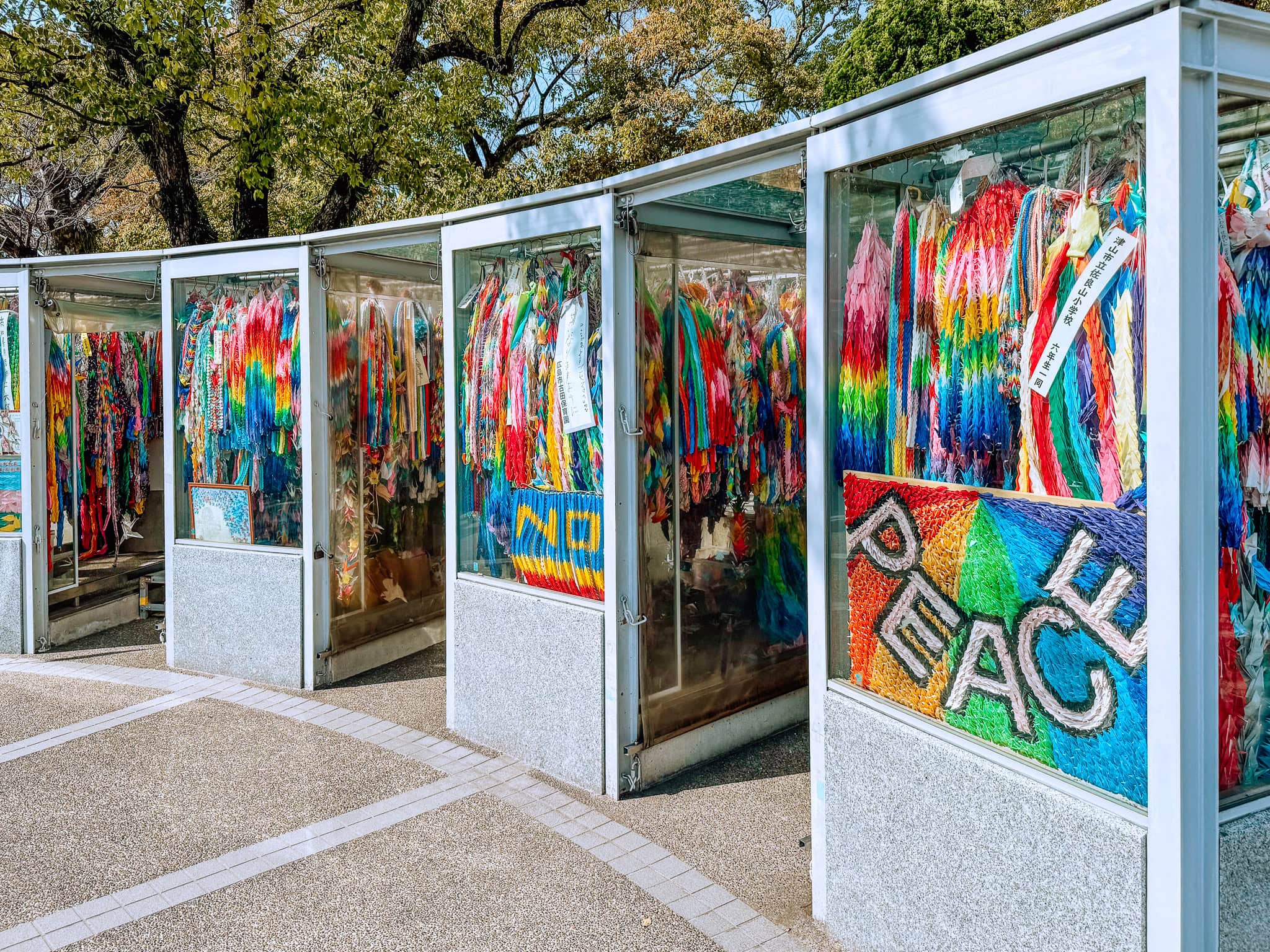
Children’s Peace Monument: Dedicated to Sadako Sasaki and all the children who died from the bombing. Sadako’s story, folding cranes in hopes of recovery, is at the heart of Hiroshima’s message of peace. Visitors still bring folded cranes and write wishes for a nuclear-free world.
Flame of Peace: Lit in 1964 and still burning today. It will remain lit until all nuclear weapons on earth are eliminated. It’s both a memorial and a symbol of continued hope.
Hiroshima Peace Memorial Museum: Plan to spend 2 to 3 hours here. The museum houses belongings of victims, photos, models showing the city before and after the bombing, and detailed narratives about the day and its aftermath. It’s heavy, but deeply important. You’ll leave changed.
Evening
After the museum, the tone naturally shifts. You’ve taken in a lot, both emotionally and physically. The evening is a good time to transition gently, reflect, and let the city soften around you.
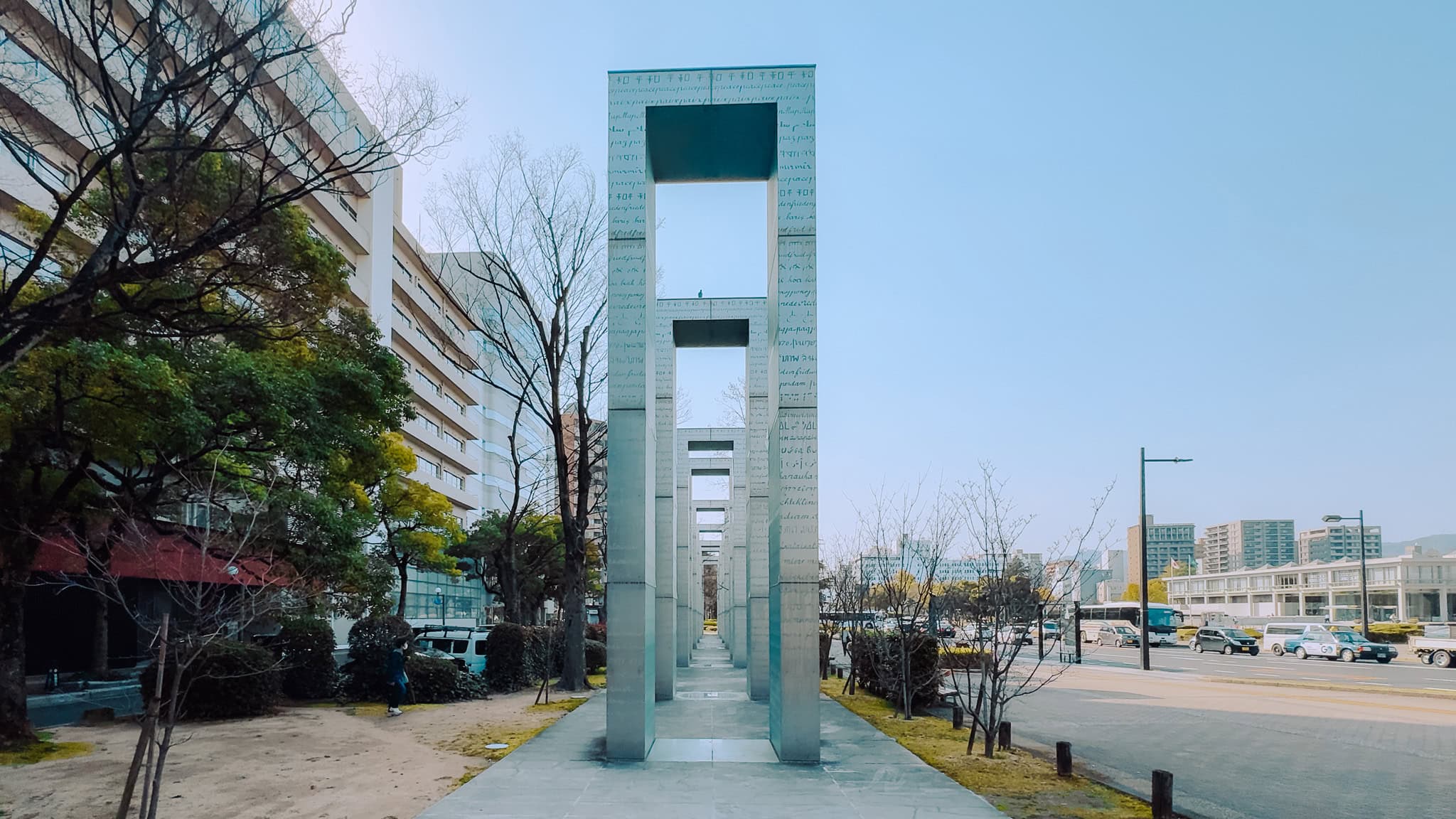
Gates of Peace: Just outside the museum, you’ll find the Gates of Peace: 10 glass arches etched with the word “peace” in over 40 languages. They were created to honor Hiroshima’s identity as an international city of peace. It’s a quiet, meaningful way to close out the historical portion of the day.
Hondōri Shopping Street: From there, head into Hondōri, Hiroshima’s main covered shopping arcade. Rebuilt after the war, it’s now a bustling area filled with shops, restaurants, local snacks, and souvenirs. Whether you’re looking for a quick bite, browsing for Hiroshima Carp merch, or just decompressing with a little window shopping, it’s a great spot to unwind and reset before heading back.
Wrap-Up: Depending on your travel schedule, you can either hop on the tram back to Hiroshima Station, return to your hotel, or catch a late train to another city. If you stayed overnight, this is the perfect time to grab a quiet drink, process the day, or plan your next morning.
Unique Things to Do in Hiroshima
We truly believe travel shouldn’t be a checklist. If you decide to stay in Hiroshima a little longer, there are plenty of ways to experience the city beyond the major landmarks.
For a full list, check out our 15 things to do in Hiroshima guide.
These activities offer a deeper understanding of local culture, hands-on experiences, and a different side of Hiroshima you won’t find in guidebooks. Some of the highlights are:
👉 Kumano Brush Factory Tour and Brush-Making Experience
Kumano is known across Japan for its traditional brush craftsmanship, from calligraphy to makeup brushes. Within this experience, you’ll get to see how they’re made and create one yourself. It’s peaceful, precise, and surprisingly meditative.
👉 Japanese Archery Experience at Hiroshima Castle Sharaku
Try your hand at kyudo, the art of Japanese archery, in a setting near Hiroshima Castle. It’s focused, quiet, and a great way to tap into traditional Japanese discipline without needing any prior experience.
👉 Hiroshima Kagura Performance
Kagura is a traditional form of Shinto theater unique to the region. Performances include elaborate costumes, storytelling, and music that bring ancient myths to life. It’s cultural, visual, and totally different from anything else you’ll see in Japan.
👉 Hiroshima Lacquer Studio and Workshop
Learn the art of Japanese lacquerware. This studio experience lets you observe the process and even try it yourself. It’s a slower-paced, tactile experience, ideal if you enjoy learning through doing.

Where to Stay in Hiroshima
If you’re staying for more than a day, whether to explore Hiroshima in more depth or add on a day trip to Miyajima, here are some solid accommodation options across different price points.
📍Budget Option
Hotel Vista Hiroshima: Located in Hiroshima City Centre, about a 12-minute walk from Kamiyacho Station. Rooms are clean and functional, with separate shower and bath areas. A good value stay close to major attractions.

📍Mid-Range Options
Hilton Hiroshima: About 10 minutes by bus from Hiroshima Station and conveniently located near popular sites. Modern rooms, several on-site restaurants, an indoor pool, hot tub, and gym make it a comfortable and easy stay.
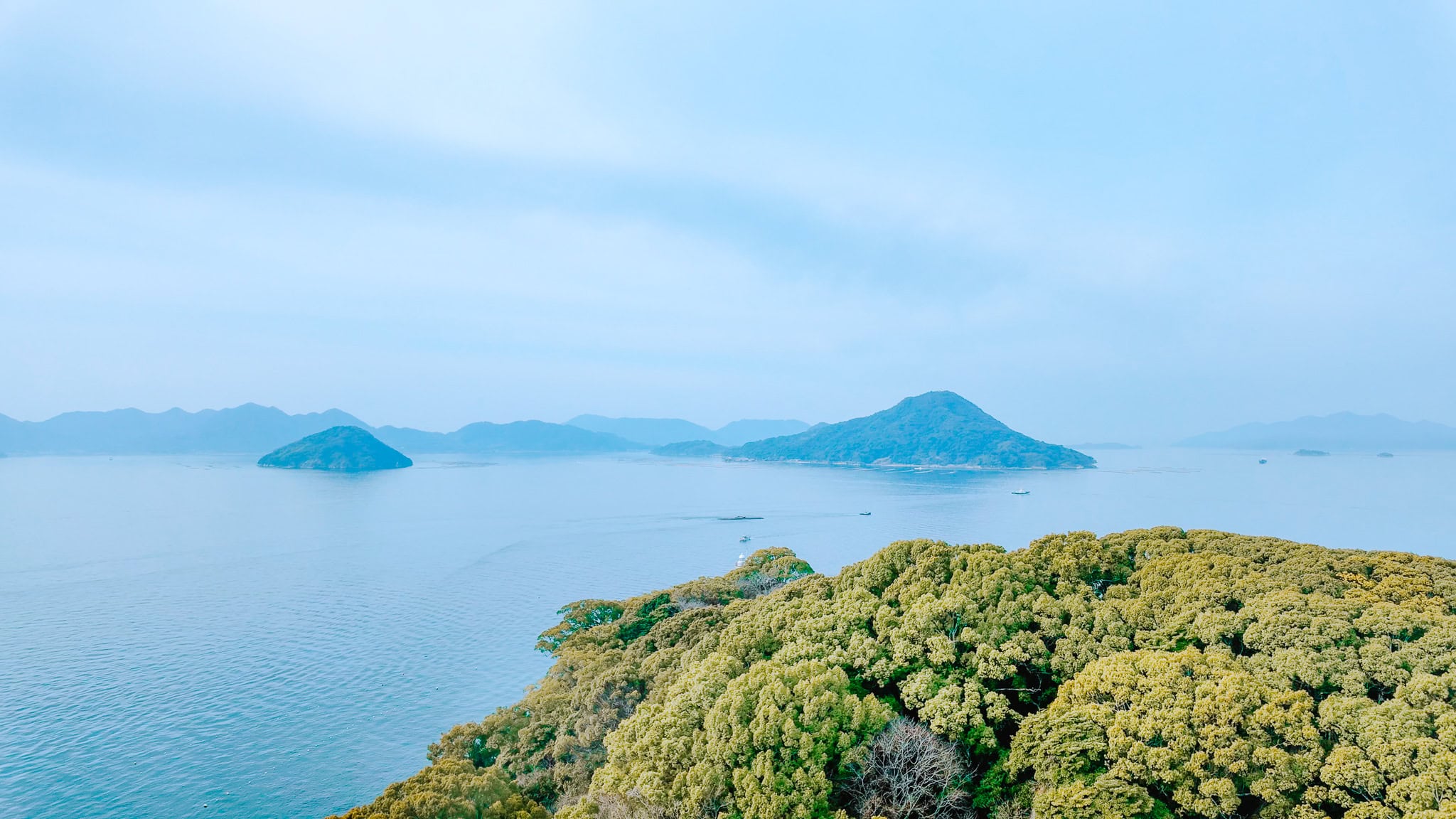
Grand Prince Hotel Hiroshima: Located along the coast, not in the city center, but perfect if you’re planning to visit Miyajima. The hotel offers ocean views, a free shuttle from Hiroshima Station, and high-speed ferry access directly to the island. We spent several days here: the view of Hiroshima Bay was a dream. Waking up to boats gliding across the water never got old.
📍Luxury Option
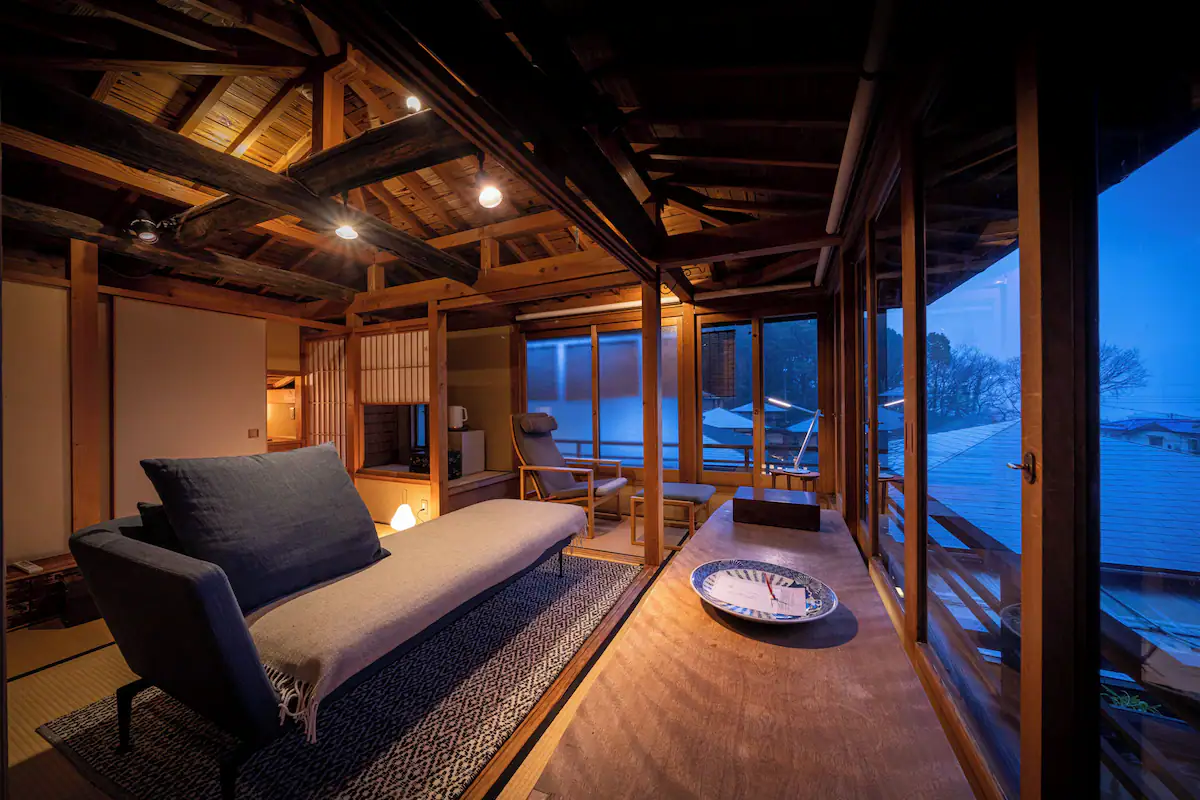
Sekitei: A traditional ryokan located about an hour from central Hiroshima. It’s a short walk from Miyahama Onsen and features garden and sea view rooms, tatami flooring, and both indoor and outdoor baths depending on the room.
Getting To and Around Hiroshima
Hiroshima is easy to navigate, especially if you’re coming from other major cities like Tokyo, Kyoto, or Osaka.
Getting to Hiroshima
By Train
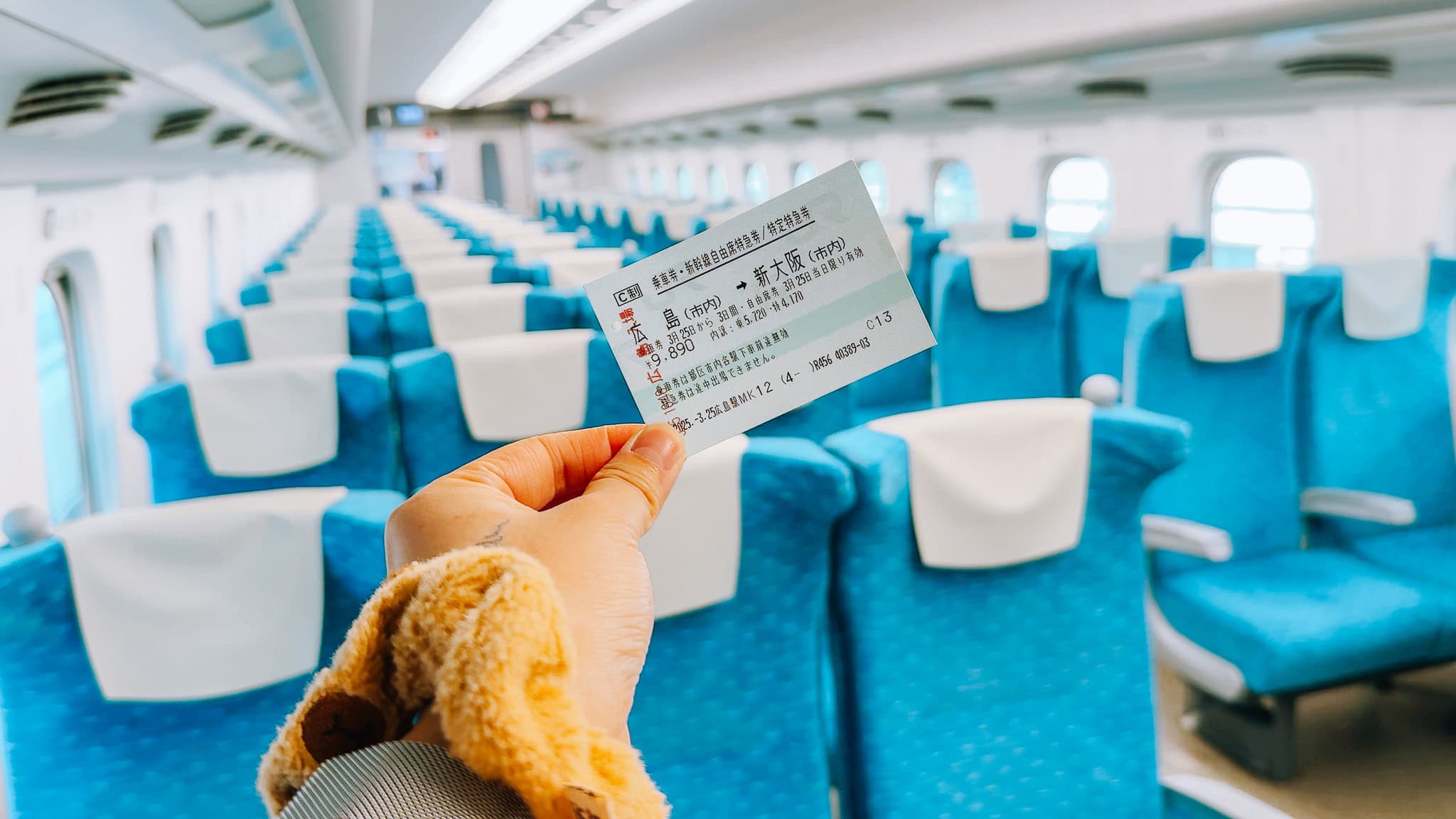
The Shinkansen is the fastest and most convenient way to get to Hiroshima. From Osaka or Kyoto, the ride takes around 2 hours. If you’re coming from Tokyo, it’s closer to 4 hours.
If you’re traveling within the Kansai region, the Kansai-Hiroshima Area Pass is a good deal and covers unlimited rides for about 12,000 yen.
From Tokyo, consider the JR National Pass. It’s around 18,000 yen and covers the long-distance Shinkansen routes.
By Plane
You can also fly into Hiroshima from Tokyo or Kansai airports, though the airport is located further out and requires a bus or train transfer into the city.
Getting Around the City
Streetcars and Buses
Hiroshima is famous for its Hiroden streetcar network, which is easy to use and well-marked in English. Local buses also run frequently and cover most major sites. You can tap your IC card to ride: Suica and Pasmo work just fine.
If you’re staying for a full day or more, the Visit Hiroshima Tourist Pass (Middle Area) is a great option. It covers unlimited rides on streetcars and buses throughout the city.
By Foot
Central Hiroshima is very walkable. Most of the key historical sites like Peace Memorial Park, the Atomic Bomb Dome, and the museum are within a 10 to 20-minute walking radius.
Getting to Miyajima
If your hotel doesn’t offer direct ferry service, you can reach Miyajima via the JR West Miyajima Ferry, which departs from Miyajimaguchi. The round-trip fare is about 400 yen, plus a 100 yen visitor tax.
The ferry ride is also covered by the Visit Hiroshima Tourist Pass, making it an easy and affordable day trip option.
Here’s our Miyajima 1-day Itinerary for you to plan a perfect day trip.

Hiroshima Travel FAQs
Here are some quick answers to the most common things travelers want to know before visiting Hiroshima.
Is Hiroshima safe to visit?
Yes. Hiroshima is completely safe to visit. Radiation levels returned to normal decades ago, and there is no ongoing risk. The city is clean, modern, and calm. You’ll find it incredibly easy to navigate, especially for solo travelers or first-time visitors to Japan.
What is Hiroshima famous for?
Hiroshima is known worldwide as the site of the first atomic bomb attack in 1945. That history is central, but it’s not all the city is known for. Today, it’s recognized as a global symbol of peace and remembrance.
Hiroshima is also famous for Hiroshima-style okonomiyaki, fresh oysters, maple leaf shaped sweets called momiji manju, and Kumano brushes: handcrafted calligraphy and makeup brushes made in a nearby town.
Can you visit Hiroshima in one day?
Yes, but start early and move with intention. If you’re coming from Osaka or Kyoto, the Shinkansen takes about 2 hours each way. That gives you enough time to visit the Peace Memorial Park, the Atomic Bomb Dome, the museum, and squeeze in a good meal. It’s doable, but expect a full day with lots of walking.
Is Hiroshima better as a day trip or overnight?
You can absolutely visit Hiroshima as a day trip from cities like Kyoto, Osaka, or Kobe. But if you want to go deeper and visit Miyajima, you want to overnight stay is much better. Staying the night gives you space to experience Hiroshima at a slower pace, visit less-touristy spots, and take in more than just the surface-level highlights.
What are good souvenirs from Hiroshima?
Here’s what we recommend picking up:
Momiji Manju: Classic Hiroshima sweet, shaped like a maple leaf, filled with red bean paste, custard, or chocolate.
Kumano Brushes: High-quality brushes used for makeup and calligraphy, handmade in nearby Kumano.
Hiroshima Oysters: You’ll see oyster stalls all over the city. Some shops offer preserved or vacuum-packed versions you can take home.
Carp Gear: Hiroshima’s beloved baseball team. You’ll find shirts, hats, and souvenirs all over Hondōri Shopping Street.
Setouchi Hiroshima Lemon Products: Hiroshima is known for its Setouchi-grown lemons, which are sweet, fragrant, and used in everything from candies and cakes to drinks and beauty products. These make light, unique gifts and are popular among domestic travelers for a reason.

Where can I get the best okonomiyaki in Hiroshima?
There are several spots that get a lot of love, and for good reason.
Nagataya is one of the most popular places. Honestly, it lives up to the hype. Located right next to Peace Memorial Park, it’s busy but runs like clockwork. The okonomiyaki is stacked, flavorful, and they offer an English menu if you need it. You’ll want to go early or be ready to wait during peak hours.
Another solid option is Okonomimura, a three-floor building packed with okonomiyaki stalls. It’s a little chaotic, a little smoky, and completely worth it. Wander through, follow your nose, and look for a counter with regulars or staff that clearly know their way around a grill. That’s usually where the magic happens.
Conclusion
Hiroshima is one of those places that leaves an impression. It doesn’t shout for attention, but it stays with you. Whether you’re here to learn, reflect, or just eat really well, this city offers more than just a checklist. You’ll find quiet gardens, layered okonomiyaki, peaceful streetcar rides, and a sense of calm that’s hard to describe but easy to feel.
We hope this Hiroshima 1 day itinerary helps you plan a visit that feels thoughtful and aligned with how you actually like to travel. Whether you’re here to understand the past, explore something new, or slow down for a bit, Hiroshima makes it worth your time.
You must be logged in to post a comment.