

13 Best Things to Do in Miyajima
We’ve lived in Japan and visited Miyajima multiple times over the years. It’s one of those places we keep coming back to. The island has a rare mix of quiet charm and iconic beauty that just works. You get coastal views, forested hikes, centuries-old shrines, and some of the best oysters we’ve ever had.
In this guide, we’ve pulled together the best things to do in Miyajima, from cultural must-sees to low-key local experiences that make the visit feel personal.
Plan your trip with our favorite resources
Where to Stay in Japan: check best deals
Transport & activities: klook.com (save up to 10% with code DANAYAO)
eSIM for Japan: stay connected with Airalo
Is Miyajima Worth Visiting?
Yes, absolutely. Miyajima is one of the most iconic day trips in Japan and for good reason. The island is known for its grilled oysters, free-roaming deer, and the famous floating torii gate at Itsukushima Shrine.
It’s beautiful, easy to get to, and makes a refreshing contrast to nearby cities like Hiroshima.
For many travelers, Miyajima is the highlight of their time in the region. It offers a slower pace, more nature, and just enough cultural depth to feel special without being overwhelming.
If you’re already planning a Hiroshima itinerary, this is the perfect add-on.
You can also check out our Miyajima 1-Day Itinerary for a full breakdown of how to plan your visit.
Top 13 things to do in Miyajima
Miyajima is way more than its iconic floating torii gate. From scenic trails and peaceful temples to cultural experiences and local bites, the island offers more than most people expect.
We’ve broken this list into three parts: scenic and nature spots, hands-on cultural experiences, and food and souvenirs. Together, they cover everything you’ll want to see and do.
Scenic Views, Nature, and Spiritual Sites
These are the experiences most people come to Miyajima for first. From famous shrines to forest hikes and peaceful temples, this is where the island’s beauty really stands out.
1. Visit Itsukushima Shrine
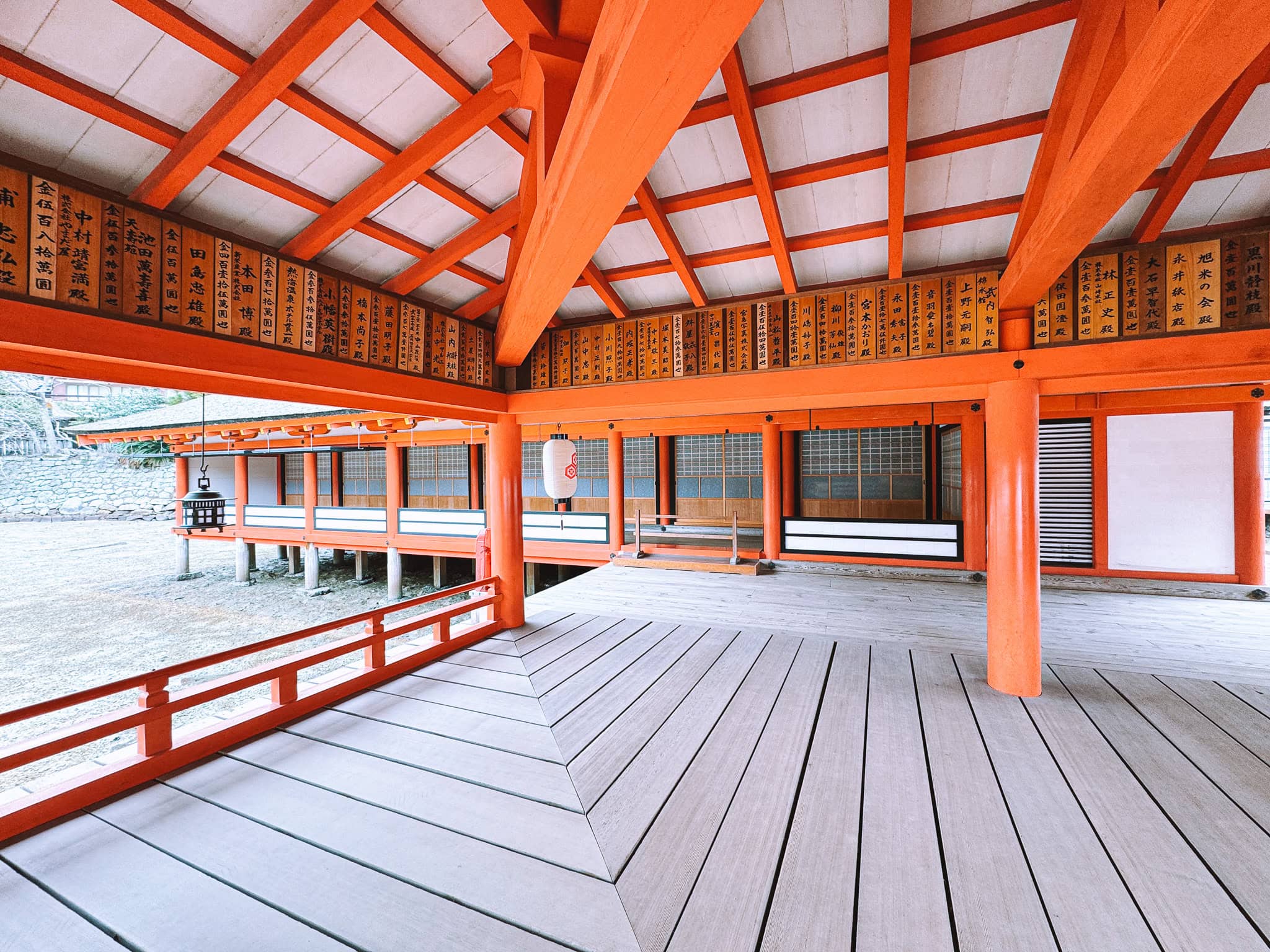
This iconic shrine is built on stilts over the bay and appears to float during high tide. Originally constructed in 593, it’s one of Japan’s most famous religious sites and a registered UNESCO World Heritage Site.
Admission is 300 yen, or 500 yen if you’d like to include the Treasure Hall, which houses more than 4,000 historical artifacts.
2. See the Grand Torii Gate
Located just offshore from the shrine, this bright red torii gate is the image most people associate with Miyajima. Built in 1875 and fully restored in 2022, it shifts with the tides: walk out to it when the water is low or photograph it “floating” at high tide.
Check the tide chart here to plan your timing.

3. Ride the Miyajima Ropeway and Hike Mt. Misen
For sweeping views of the Seto Inland Sea, take the ropeway up Mt. Misen and continue the hike to the summit. The trail takes about 90 to 120 minutes depending on where you begin.
Stop at Satomichaya Observatory for a quick break and a look at Kujira-iwa, a massive boulder hanging just above the walking path.
At the top, the Mt. Misen Observatory offers one of the best panoramic views in the region, complete with labeled points of interest on the viewing deck.

4. Explore Daishoin Temple
This temple is one of the island’s most sacred spots, filled with character and small surprises. You’ll find over 500 jizo statues tucked into every corner, many wearing red caps and scarves.
As you walk up the stairs, spin the prayer wheels for an extra layer of meaning in your visit.
5. Step Inside Heijokutsu Cave
Just beyond Daishoin, this small cave features over 80 statues representing temples from the Shikoku Pilgrimage. Lanterns hang from the ceiling, creating a soft glow that makes the space feel tucked away and timeless. If you’re collecting goshuin (temple stamps), bring your book.

6. Hang Out with the Deer
The island’s free-roaming deer are part of the experience. You’ll see them by the beach, along the shotengai, and even near cafés and shrine entrances. They’re used to people, but keep food zipped away, especially anything that smells remotely edible.
Cultural Experiences and Local Activities
Once you’ve seen the main temples and viewpoints, there’s still plenty to do. These experiences offer a different way to enjoy Miyajima: slower-paced, interactive, and grounded in the island’s character.
7. Ride a Traditional Rickshaw
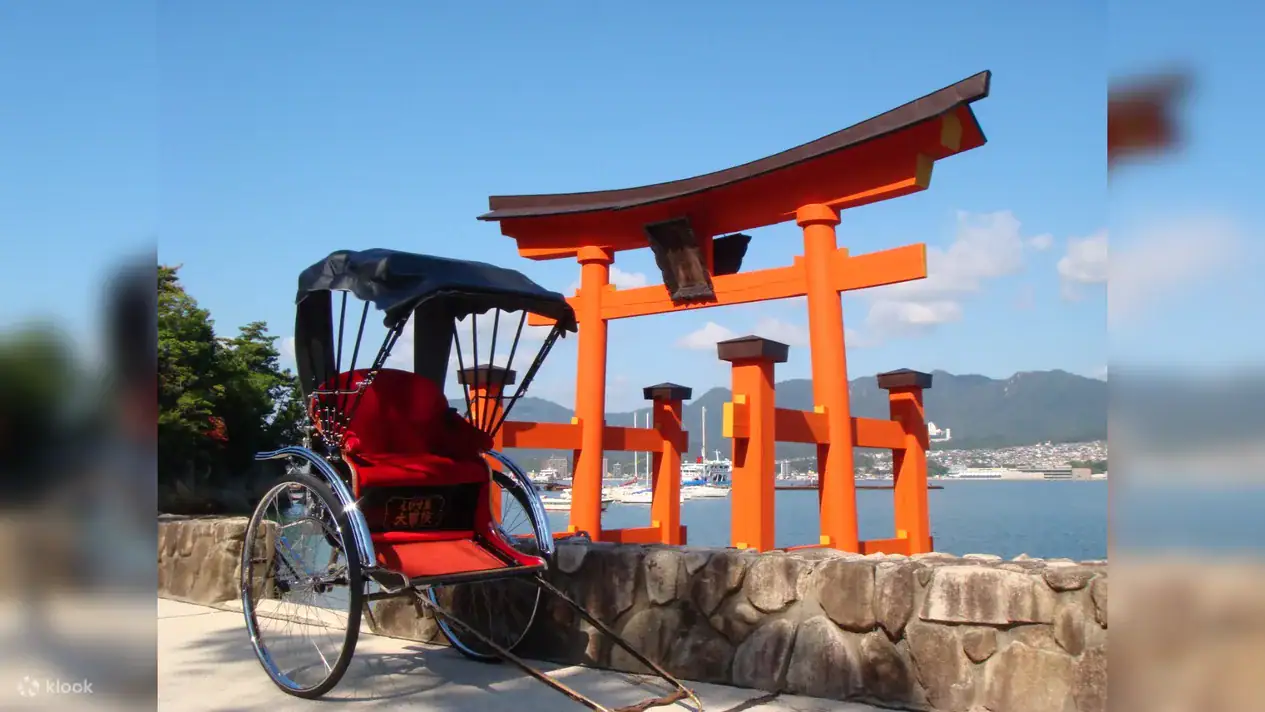
Let a local guide take you through Miyajima’s historic streets in a traditional rickshaw. You’ll cruise past temples like Daishoin or Senjokaku and get plenty of insight along the way. It’s a relaxed, photogenic way to see the island from a different angle.
8. Visit Miyajima Aquarium
Located just a short walk from Itsukushima Shrine, the island’s aquarium features more than 15,000 marine creatures across 380 species. You’ll see finless porpoises, sea lions, otters, and more. It’s small but thoughtfully designed and a good rainy day option.
9. Try a Cultural Experience Class
Slow things down with a workshop that gives you a deeper connection to Japanese culture. You can try on a kimono, learn calligraphy, participate in a tea ceremony, or even make your own amulet. These sessions are relaxed and great for travelers who want something more personal to take home.
Food and Souvenirs To Bring Home
Miyajima has plenty to eat, and even more to bring home. Whether you’re snacking as you walk or shopping for small gifts, these are the local specialties worth trying and taking with you.
10. Eat Grilled or Deep-Fried Oysters
Oysters are a local specialty, and you’ll find them everywhere: grilled on the street, deep-fried in set meals, or tucked into rice bowls.
We ate at Shibaisaryo Mizuha, right along the shotengai, and loved both the deep-fried oysters and the grilled conger eel rice bowl.

11. Try Momiji Manju and Miyajima Jakee
Momiji manju are maple-leaf-shaped cakes filled with red bean, custard, or matcha. Head to Momijido Main Store (紅葉堂本店) for both the classic steamed version and the cult-favorite deep-fried version known as Miyajima Jakee. They’re sweet, crispy, and best eaten warm.

12. Buy a Wooden Rice Paddle
Miyajima is said to be the birthplace of the traditional rice paddle, and you’ll see them sold in every size imaginable. You can even find keychain versions or ones with custom calligraphy. Look for them around the Etto Community Center or along Omotesando Street.

13. Pick Up a Shrine Amulet
If you’ve visited Itsukushima Shrine, don’t skip the omamori (amulet) stand near the exit. You’ll find a variety of charms for luck, health, travel, and more. They make thoughtful souvenirs and pack easily in your bag.
How to Get To and Around Miyajima
Miyajima is easy to reach from Hiroshima and accessible from most major cities. Once you’re on the island, everything is walkable.
From Hiroshima City Center
Take the JR Sanyo Line to Miyajimaguchi Station, then board the JR Miyajima Ferry (400 yen plus 100 yen Miyajima tax). The ferry takes about 10 to 15 minutes.
Alternatively, hop on a high-speed boat from Hiroshima Peace Park or the Grand Prince Hotel (about 2,300 yen plus tax). This is a great option if you’re staying near the port or want a direct ride.
From Kyoto or Osaka
Take the Shinkansen to Hiroshima Station. From there, choose between:
- JR train to Miyajimaguchi Station + ferry
- High-speed boat from Hiroshima Port or the Grand Prince Hotel
From Tokyo
Take the Shinkansen to Hiroshima Station (around 4 hours), then follow the same local route: either train plus ferry, or high-speed boat depending on your location and timing.
Getting Around Miyajima
Once you arrive, there’s no need for buses or taxis. The island is compact and made for walking. Just wear good shoes, some paths around the temples and Mt. Misen are uneven or involve stairs.

Miyajima Travel Tips and What to Know Before You Go
Arrive early: The island gets busier as the day goes on, especially around the shrine and shopping street. Morning is the best time to enjoy the quieter side of Miyajima.
Check the tide schedule: If you want to walk out to the torii gate, plan around low tide. For the classic “floating” photo, aim for high tide. You can check tide times here.
Know your transportation options: Ferries stop running in the evening. If you’re not staying overnight, make sure you know the last departure time back to Hiroshima. If you are staying on the island overnight, double-check whether your hotel offers a shuttle or porter service from the ferry terminal.
Wear comfortable shoes: There’s a lot of walking, especially if you’re hiking Mt. Misen or wandering through temple paths. The terrain isn’t difficult, but it’s not flip-flop friendly either.
Conclusion
Miyajima is more than just a quick stop. It’s a place where spiritual landmarks, forest trails, and fresh street food all come together in one small, beautiful island. Whether you’re hiking Mt. Misen, walking beneath the torii gate, or just watching deer wander past a coffee shop, the experience sticks.
There’s a reason we keep coming back, and once you go, you’ll get it.
You must be logged in to post a comment.