

26 Best Places to See Mt. Fuji: The Ultimate Viewpoint Guide 2026
Mt. Fuji is one of Japan’s most iconic landmarks, and seeing it in person never gets old.
We lived in Japan and visited Mt. Fuji more times than we can count: sometimes for a quick day trip, other times for full weekends exploring nearby towns. We’ve done the ropeways, stayed at onsen hotels, tested the best seasons, and sat on the “right side” of the Shinkansen just for the view.
This guide breaks down all our favorite ways to see Mt. Fuji, from the classic photo spots to the less obvious local gems. We’ll also cover where to stay, guided tours, visibility tips, and everything else you need to know to make your Fuji trip amazing.
Plan your trip with our favorite resources
Where to Stay in Japan: check best deals
Transport & activities: klook.com (save up to 10% with code DANAYAO)
eSIM for Japan: stay connected with Airalo
Mt. Fuji Visiting Resources
Before going into the view spots, here are a few helpful resources based on our own experience.
Visibility makes or breaks the view, and if you’d rather not deal with the logistics, guided tours and smart hotel choices can make your Fuji trip way smoother.
Best Guided Tours to See Mt. Fuji
Don’t want to deal with trains or driving? A guided tour is an easy way to hit the highlights without the hassle.
👉 Group Tour with 4 Scenic Spots: Budget-friendly option that hits classic Mt. Fuji stops like Lake Kawaguchiko, Oshino Hakkai, and Chureito Pagoda.
👉 Private Mt. Fuji Tour: A flexible, private tour that adapts to your pace and priorities, perfect for families or small groups.
Places to Stay for Mt. Fuji Views
Where you stay (view our full Mt. Fuji Stays guide) can make or break your Fuji experience, especially if you want that sunrise view. Day trips are doable, but staying overnight gives you a better shot at clear skies and multiple viewpoints.
📍Fuji Premium Hotel ($$): Clean and convenient with a public bath facing Mt. Fuji. A solid base between Lake Kawaguchi and Lake Yamanaka.
📍 Hotel New Century ($$$): Lakeside views, in-room terrace, and rooftop hot springs. Great for couples or anyone wanting that classic Fuji-in-the-background shot. Read our experience here.
📍 Hotel Kaneyamaen ($$$$): Private onsen with direct Fuji views. High-end rooms and top-tier service make it a splurge-worthy stay.
Mt. Fuji Visibility
Mt. Fuji only shows up clearly about 20–30% of the time. Weather matters more than the location, so plan smart.
Winter has the best visibility thanks to dry, crisp air. Early mornings are your golden hour before haze and clouds roll in.
We always check live cams and forecasts the night before. Here’s our full Mt. Fuji Visibility Guide to help you avoid a no-show trip.
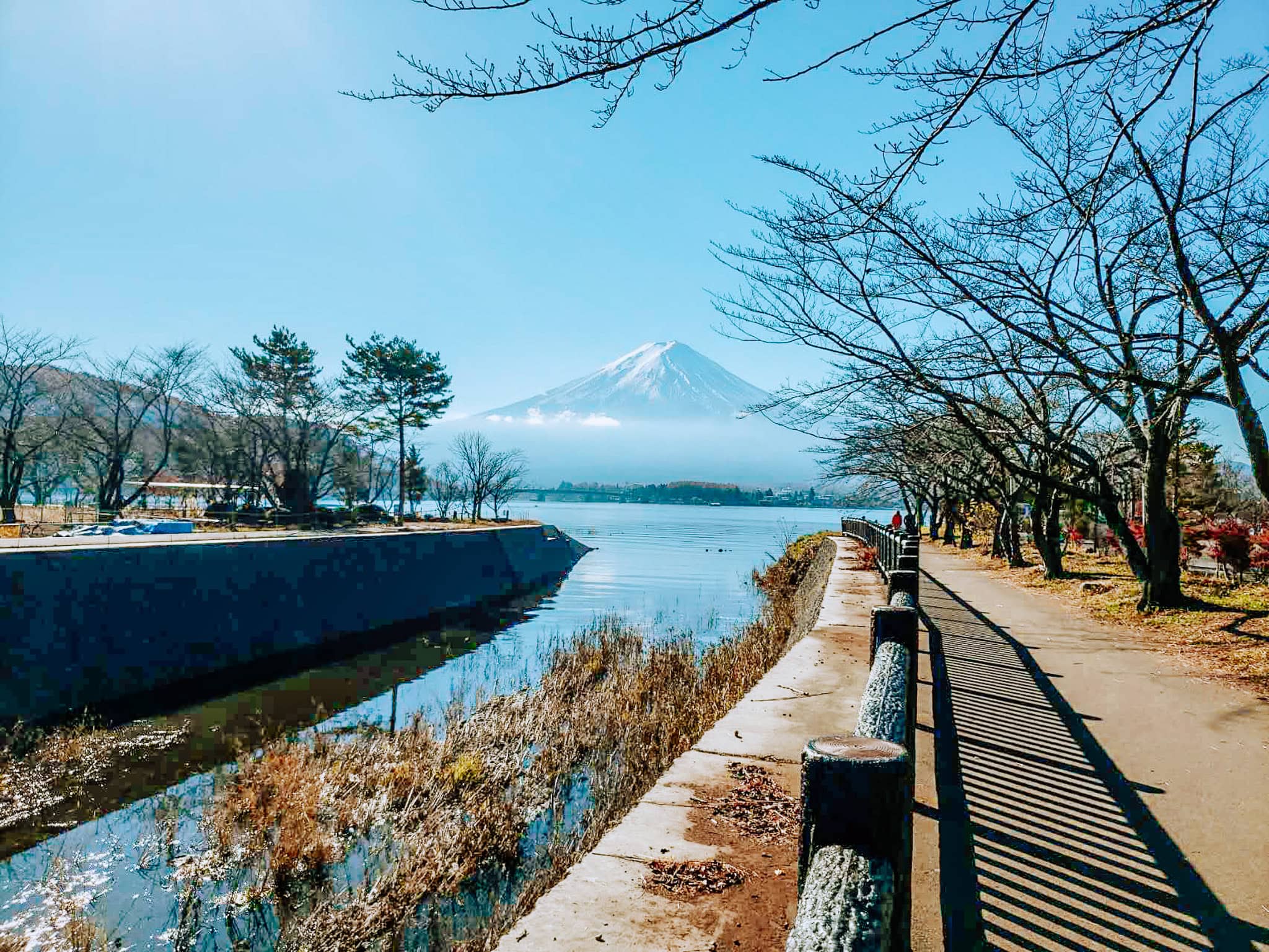
26 Best Places to See Mt. Fuji
Mt. Fuji isn’t tied to one specific tour or location. It’s a whole region, and depending on where you are, there are countless ways to catch a glimpse.
The most popular day trips are to the Fuji Five Lakes or Hakone, where the mountain really takes center stage.
But you can also spot it casually from places like Shizuoka, Tokyo, the Shonan Coast, and even Yokohama. On a sunny day, you might even catch it from your Shinkansen seat or out the airplane window shortly after takeoff.
We’ll break down the best Fuji viewpoints by region so you can choose the experience that fits your trip.

5 Lakes Area Spots to See Mt. Fuji
The Fuji Five Lakes region is one of the easiest and most iconic places to view Mt. Fuji. It’s a popular day trip from Tokyo, but staying overnight gives you way more time to soak in the views.
Kawaguchiko Area
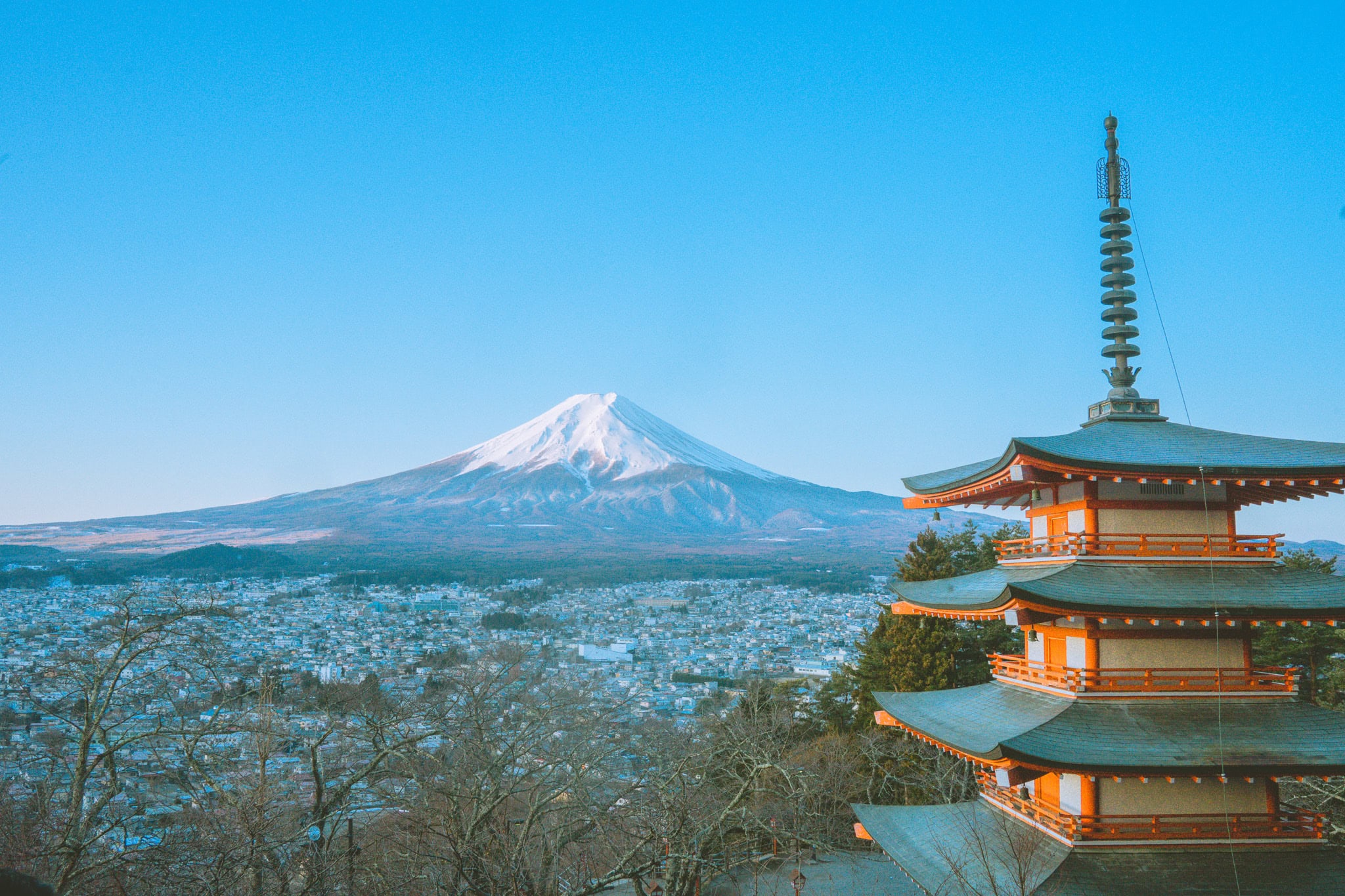
1. Chureito Pagoda and Arakurayama Sengen Park
One of the most photographed Fuji spots in Japan. You’ll get that postcard shot of Mt. Fuji behind a red pagoda, especially stunning during cherry blossom or autumn seasons. Just be ready for a 400-step climb. The closest station is Shimo-Yoshida, then a 30-minute uphill walk.
This 3-minute ropeway takes you to an observation deck with clear views of Mt. Fuji and Kawaguchiko. There’s a Fuji-view swing, a wish-making spot, and a lookout tower for panoramic photos.
A theme park right next to Mt. Fuji with record-breaking roller coasters and constant mountain views. You can even book a VIP tour with perks like skip-the-line access and a private guide.
4. Kawaguchiko Town
This is the main access point for the area. You’ll find hot springs, lake cruises, cafes, and plenty of spots to relax with Fuji in the background. Super easy to reach by bus or train from Tokyo.
5. Oishi Park
Located on the north shore of Kawaguchiko, this park is known for its seasonal flowers and wide-open views of Mt. Fuji. The Flower Road path is about 350 meters long and lined with blooms throughout the year. It’s one of the easiest places to get a peaceful lake and mountain shot.
Yamanakako Area
6. Oshino Hakkai
A traditional village with eight clear spring ponds fed by Fuji’s snowmelt. You’ll find thatched cottages, water wheels, and views of Mt. Fuji that feel straight out of an old painting. It’s a good spot for a quiet walk or a scenic break.
7. Lake Yamanakako
Quieter than Kawaguchiko and just as scenic, with big open views of Mt. Fuji and seasonal flower fields at Hana no Miyako Park. Stop by Hirano Beach to feed the swans, bring 100 yen coins and expect a little friendly chaos.
8. Panorama Dai
This elevated viewpoint near Lake Yamanaka gives you the full sweep of Mt. Fuji along with the lake and forests below. It’s a popular pull-off spot if you’re driving, especially around sunset.

Hakone: Scenic Mt. Fuji Views and Hot Springs
Hakone is one of the most scenic and popular weekend getaways from Tokyo. On a clear day, you’ll get stunning views of Mt. Fuji, especially from high-up ropeways or across Lake Ashi, with the bonus of hot springs, museums, and volcano vibes.
9. Owakudani
A steaming volcanic valley with sulfur clouds and dramatic landscapes. On clear days, Fuji appears through the haze like a painting. Ride the ropeway for the best views and don’t leave without trying the famous black eggs, which locals say add seven years to your life.
10. Hakone Ropeway
One of the best ways to see Mt. Fuji and Hakone’s surreal landscape in one ride. This aerial tram gives you a 360-degree panorama of the mountains, valleys, and that glorious Fuji peak when skies are clear.
Sail across Lake Ashi on a pirate-style cruise boat while catching a postcard-worthy view of Mt. Fuji over the water. Sit up top for the best views, especially in the morning when the air is clearest.
12. Narukawa Art Museum
Right by Lake Ashi, this small museum has a peaceful terrace with that perfect shot of Mt. Fuji behind the torii gate and lake. On calm days, it’s the exact view you’ve seen on postcards, sometimes even with a cruise ship floating through the scene.

Viewing Mt. Fuji from Shizuoka
Shizuoka has some of the most scenic and underrated spots to view Mt. Fuji. It’s laid-back, spread out, and the views feel like you stumbled onto something special.
13. Obuchi Sasaba
This quiet tea field is totally free and tucked behind a small forest. Follow the narrow path and you’ll reach perfectly lined rows of tea with Mt. Fuji rising in the background. Bring a camera and enjoy the calm.
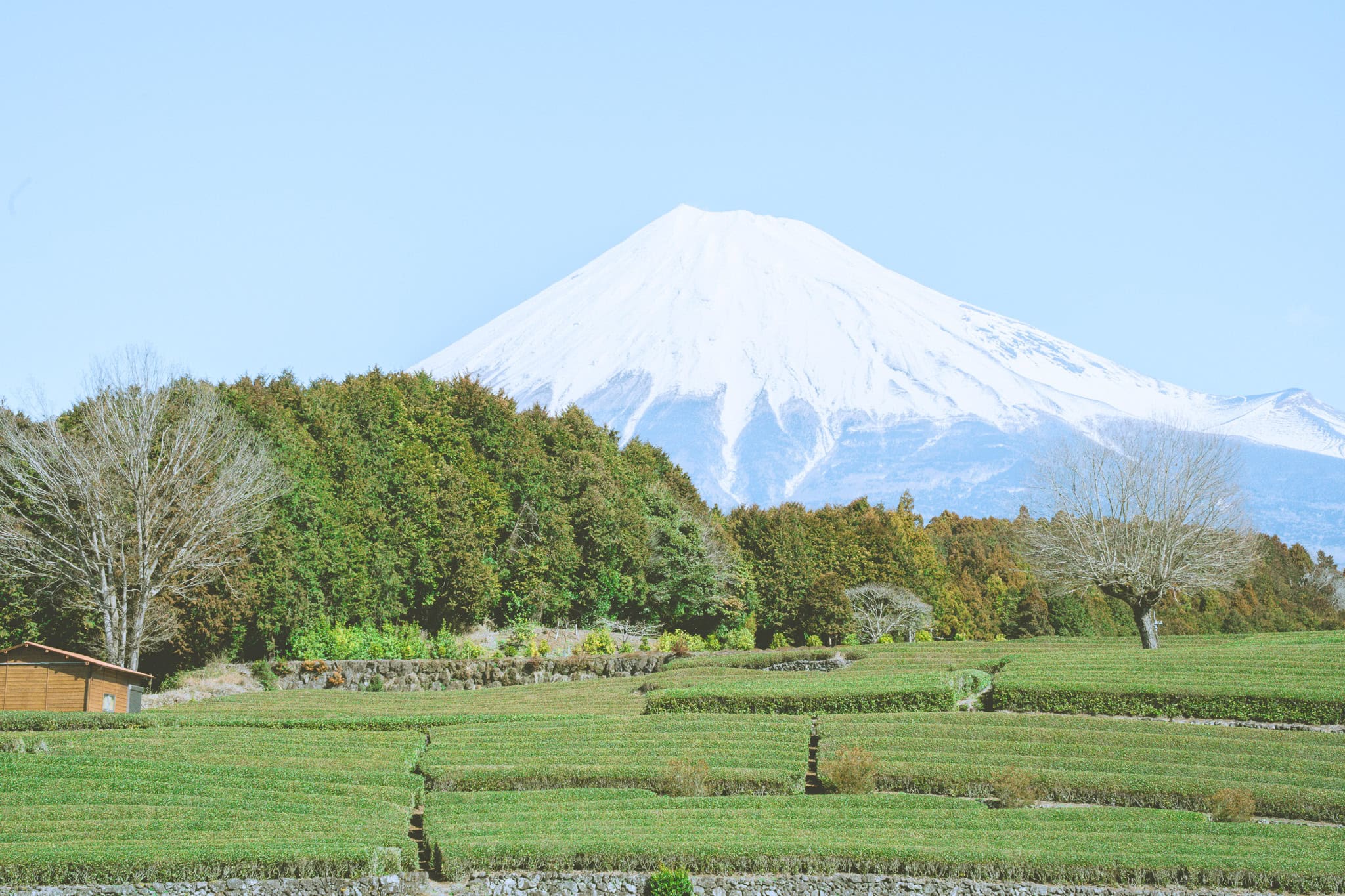
14. Tenma Tea Fields
Best visited in May when the leaves are at their brightest green just before harvest. You’ll get that vibrant tea-field foreground with a majestic Fuji view in the distance. The color contrast is unreal in photos.
15. Miho no Matsubara
A pine-lined beach with ocean waves and Mt. Fuji behind it all. It’s part of a UNESCO heritage site and shows off the mountain from a more dramatic, coastal angle. Great for sunset if the skies are clear.
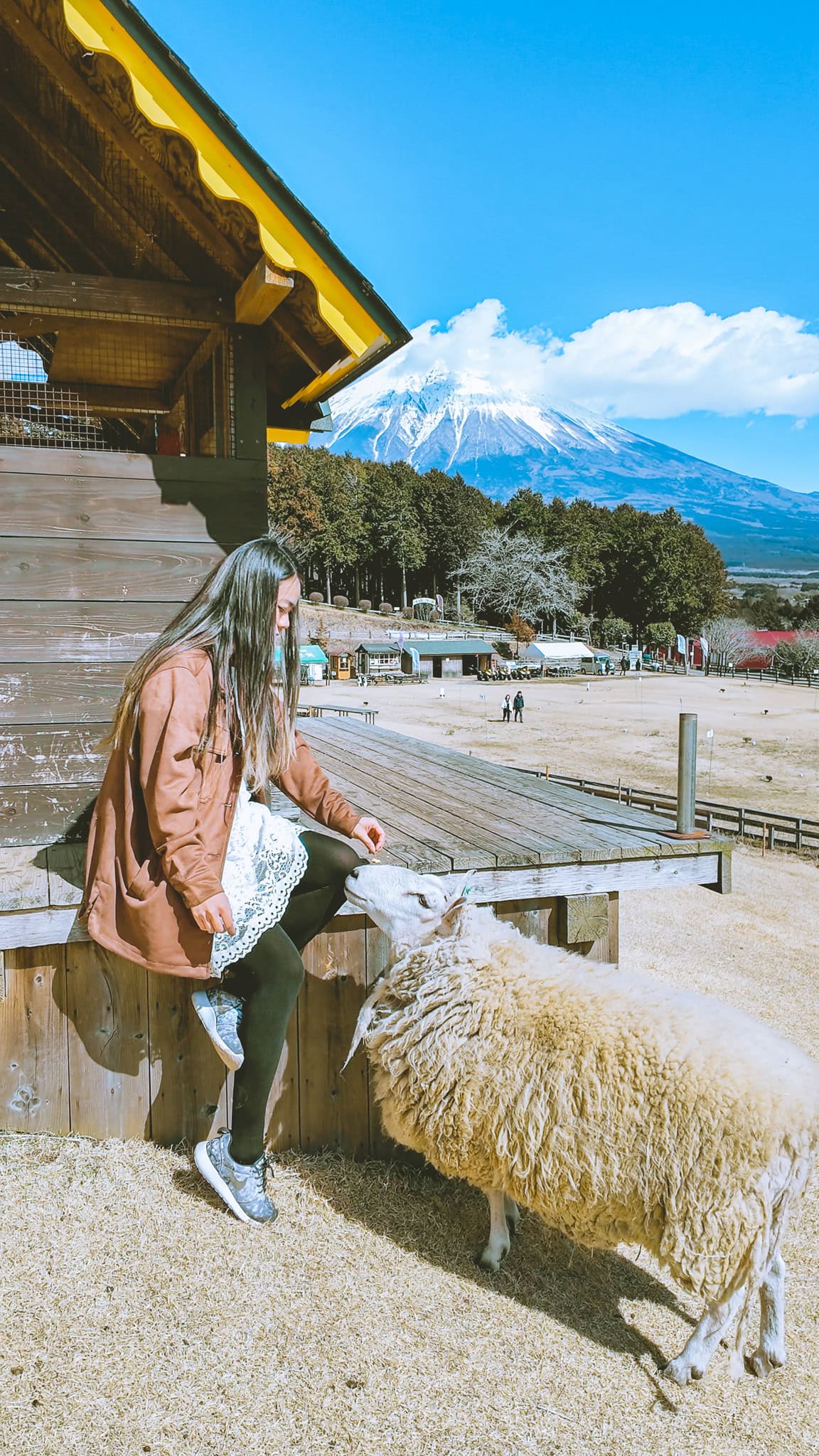
16. Makaino Farm
A relaxed and family-friendly place to see Fuji, with animals, fresh food, and wide open space. It’s a fun day out, especially with kids or a picnic. Just double check the map because it’s easy to miss the turn. This is hands down one of our hidden gem favorite spots to enjoy Mt. Fuji.

How to See Mt. Fuji from Tokyo
Believe it or not, you can actually spot Mt. Fuji from Tokyo on a clear day, especially when the skies are crisp. You just need the right viewpoint and a little weather luck.
17. Roppongi Hills Tokyo City View and Observation Deck
From the open-air Sky Deck at Roppongi Hills, you get a sweeping view of Tokyo with Mt. Fuji peeking in the distance on sunny days. It’s one of the best urban Fuji sightings in the city.
Roppongi Hills is also a fun little hub to explore. You’ve got the popular teamLab Borderless, a quirky Machine Love art museum, and even a Godzilla art exhibition for fans of the king of monsters.
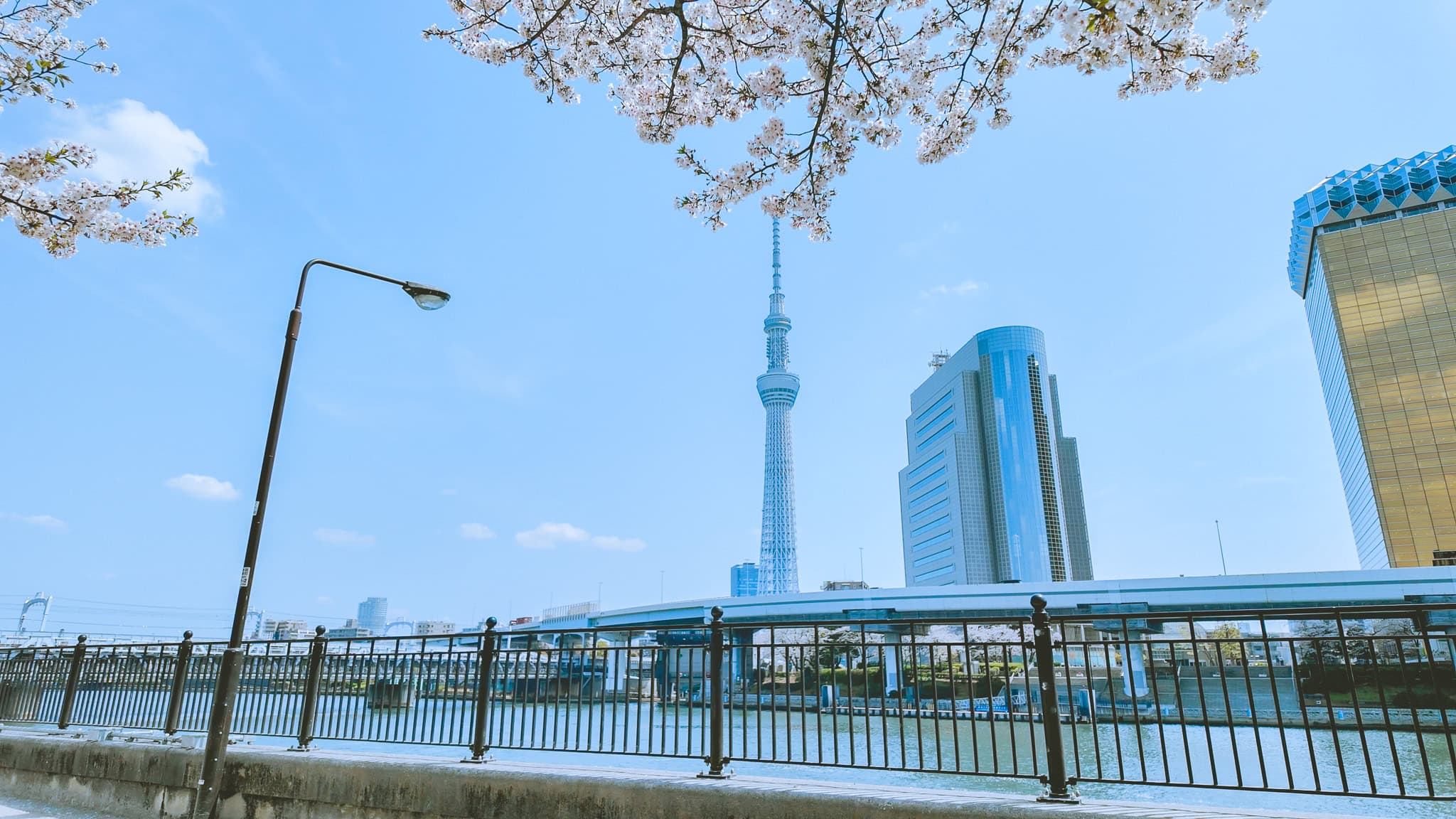
18. Tokyo Skytree
At 634 meters, Tokyo Skytree gives you one of the highest possible viewpoints in the city. On a clear day, you can spot Mt. Fuji rising beyond the skyline.
There’s also plenty to do here: family-friendly restaurants, seasonal anime pop-ups, shopping, and even the Sumida Aquarium right inside the complex.
Viewing Mt. Fuji from Shonan Coast
The Shonan coast serves up some of the most underrated coastal views of Mt. Fuji, especially on clear winter days. And this is one of the easiest day trips you can do from Tokyo, with lots to explore, ocean breezes, and a great change of pace from the city.
Kamakura Area
19. Inamuragasaki
A peaceful lookout between Zaimokuza and Yuigahama Beach, Inamuragasaki is beloved by locals and surfers. When the skies are clear, the view of Mt. Fuji over the ocean is seriously photo-worthy.
20. Myohoji (Moss Temple)
One of Kamakura’s hidden gems. This centuries-old temple is wrapped in thick green moss and has a garden that feels like something out of a fairytale. When the weather cooperates, you get a peek of Fuji through the foliage.
Enoshima Area
21. Enoshima Sea Candle
Climb up this lighthouse-style observatory for some of the best 360° views in the area. On a clear day, you’ll see Mt. Fuji rising behind Sagami Bay, and sunsets here are next level.
22. Chigogafuchi Abyss
This rocky coastline is perfect for dramatic shots of Mt. Fuji. It’s especially stunning at sunset and in winter when visibility is best. You can even climb down to the rocks if the tide allows, we took one of our favorite shots right here.

Where Can I See Mt. Fuji from Yokohama
If you’re visiting Yokohama, you might be surprised to know you can catch Mt. Fuji views from here too. On a clear day, the Minato Mirai area delivers that perfect mix of skyline, ocean, and snowcapped peak in the distance.
Head up to the Sky Garden on the 69th floor for sweeping bay views. When the weather’s right, Fuji shows up clearly beyond the city.
While you’re in Minato Mirai, soak at Manyo Club Onsen, stroll through the Red Brick Warehouse, or hop on the Yokohama Air Cabin, Japan’s first urban ropeway.

How to See Mt. Fuji from the Shinkansen
Catching Mt. Fuji from the Shinkansen is one of the easiest and most iconic ways to see the mountain — no extra planning required.
24. On Shinkansen
If you’re riding the Tokaido Shinkansen between Tokyo and Kansai, grab a window seat on the right side when heading from Tokyo to Kansai, and on the left side when returning toward Tokyo.
The best views pop up around Shin-Fuji Station, where you’ll get a wide, unobstructed look, but only on a clear day. For the best chance, ride the Kodama train, since Nozomi and Hikari skip this stop.

How to See Mt. Fuji from the Plane
25. On Plane
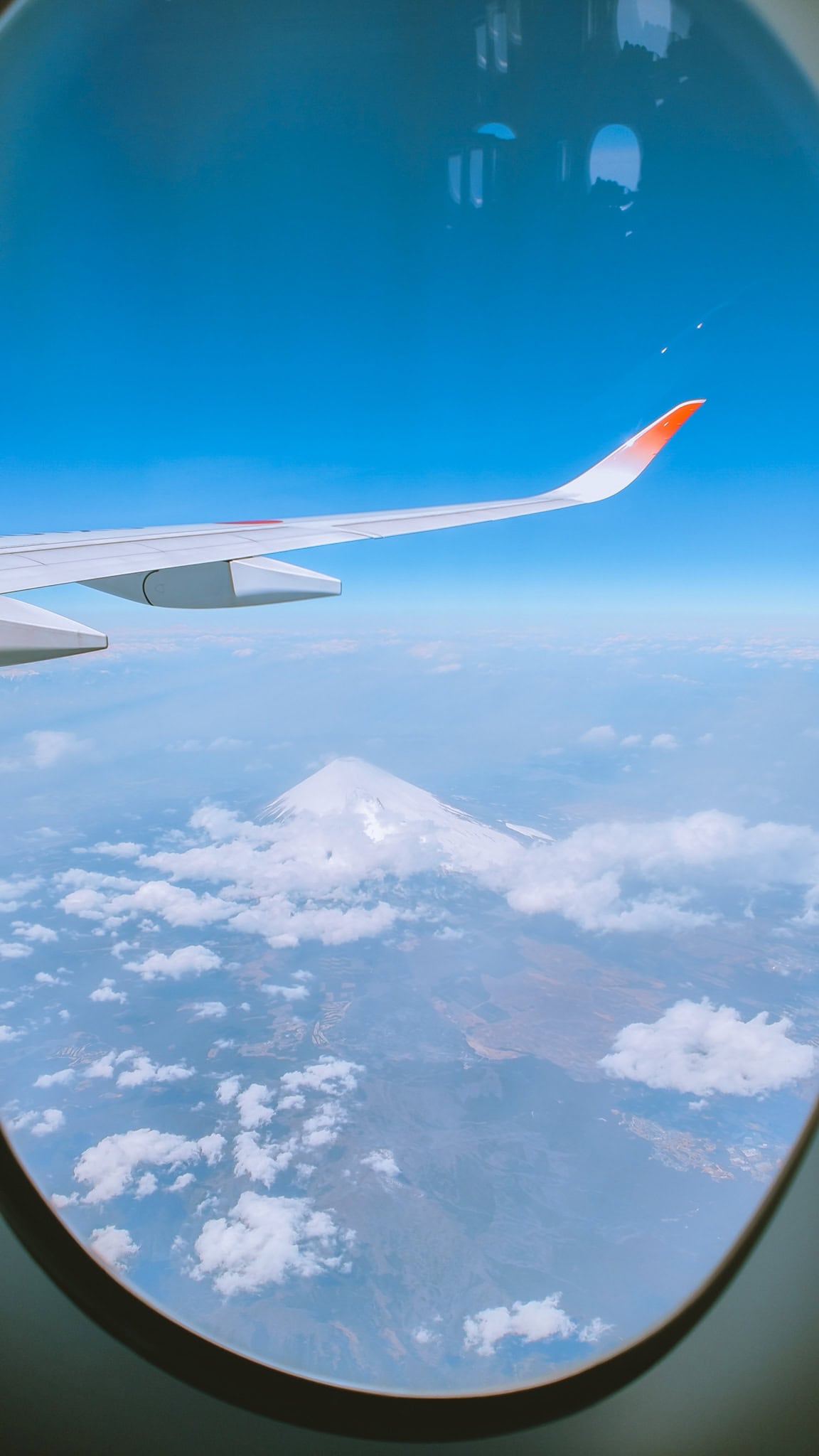
Another effortless way to spot Mt. Fuji is from the sky. If you’re flying out of Haneda Airport, book a window seat on the right side of the plane.
On a clear day, you’ll see the mountain rise above the clouds about 15 to 20 minutes after takeoff. It’s quiet, scenic, and one of the most underrated views of Fuji you can get.
Climbing Mt. Fuji in the Summer
26. Climb Mt. Fuji
If you’re up for a hands-on adventure, climbing Mt. Fuji is something you’ll never forget. The official season runs from early July to early September, when the trails are open and the mountain huts are in service.
This isn’t about catching Fuji from a distance, it’s about standing on the summit, watching the sun rise over Japan. It’s a different kind of view, and one you truly earn.
👉 Mt. Fuji 2-Day Climbing Tour with English Guide: This guided tour takes care of logistics: meals, overnight mountain hut, onsen visit, and a pro guide who knows the route.
Conclusion
Whether you’re admiring it from a quiet lake, catching a glimpse through the city skyline, or climbing all the way to the summit, Mt. Fuji always delivers something special. There’s no single “best” way to see it; it really depends on your pace, your trip, and the kind of moment you want to create.
If you’ve got time, pair a day trip with a scenic viewpoint. If not, even a glimpse from the Shinkansen or a Tokyo observation deck can leave a lasting impression. And if you’re up for a challenge, the summer climb is a once-in-a-lifetime kind of experience.
Have fun seeing Mt. Fuji!
You must be logged in to post a comment.