
Mt. Fuji Visibility Guide: Best Months, Times, Tools & Places to See It Clearly
Mount Fuji is Japan’s most iconic sight. It’s the kind of view people build their entire trip around.
But here’s what no one really tells you: Mt. Fuji doesn’t always show up.
We lived in Japan and have made countless trips to see Mount Fuji. We’ve had those unreal mornings with clear skies, glowing sunrises, and perfect reflections mirrored on the lake. We’ve also stood there staring at a thick wall of clouds, squinting at what felt like an imaginary mountain.
Over time, we figured out what actually works. We tested visibility tools, tracked weather patterns, and learned how to time our visits so we weren’t just hoping for the best.
This guide walks you through the best time to see Mt. Fuji, how visibility really works, and how to plan your visit so you actually see the mountain, not just the town around it.
Whether you’re visiting for a day, staying overnight, or trying to spot Fuji from Tokyo, this is everything we wish we’d known earlier.
Plan your trip with our favorite resources
Where to Stay in Japan: check best deals
Transport & activities: klook.com (save up to 10% with code DANAYAO)
eSIM for Japan: stay connected with Airalo
Is Mount Fuji Worth Visiting?
Yes, Mount Fuji is absolutely worth visiting…but only when you can actually see it.
On a clear day, Mount Fuji is just breathtaking. It’s massive, perfectly shaped, and feels even more surreal in person than it does in photos.
But here’s the part a lot of travelers don’t realize until they’re already there: Mount Fuji hides behind clouds more often than you’d expect.
We’ve had trips where everything else was great: quiet lakes, good food, peaceful towns. But when the mountain didn’t show up, the experience just felt…incomplete.
Seeing the mountain is usually the main reason people make the trip out here, and when it stays hidden, your whole Mt. Fuji trip can feel like a letdown.
The good news is this is one of those Japan travel experiences you can plan for.
With the right timing, a basic understanding of visibility, and a little flexibility in your schedule, your chances of seeing Mount Fuji go way up.
How Often Is Mt. Fuji Actually Visible?
Here’s the reality check most people don’t hear until after their trip: Mount Fuji is only clearly visible about 20-30% of the year, based on long-term visibility tracking and historical weather patterns around Mt. Fuji.
And by “visible,” we mean fully visible. Not a faint outline. Not a peak poking through clouds. We’re talking about a clear, unobstructed view where the mountain actually looks like the Mt. Fuji you came to see.
This surprises a lot of travelers, especially because photos online make it seem like Fuji is always just…there.
In reality, cloud cover, humidity, and haze regularly block the view, even on days that look sunny on a basic weather app.
That doesn’t mean seeing Mount Fuji is rare or unrealistic. It just means timing matters more than location.
Best Months of the Year to See Mount Fuji
The best months to see Mt. Fuji are November through February. During these colder months, the air is drier, humidity is lower, and clouds are less likely to form around the mountain. This gives you the highest chance of clear, unobstructed views.
The worst months for visibility are typically June through September, when Japan’s rainy season and summer humidity make clouds and haze common, even on days that look sunny on paper.

Mt. Fuji Visibility by Season
While visibility can change day to day, some seasons give you much better odds than others.
Winter (December to February): The best time to see Mount Fuji. Cold, dry air means clearer skies and fewer clouds. These months have the highest success rate for full visibility.
Spring (March to May): Beautiful, but mixed. Cherry blossoms and flowers make the area stunning, but haze and changing weather can reduce visibility, especially later in the season.
Summer (June to September): The hardest time to see Fuji clearly. Rainy season, humidity, and heat make clouds and haze common. Even on “sunny” days, the mountain often stays hidden.
Fall (October to November): Visibility starts improving again as the air cools and dries out. Late fall can be especially good, though it’s still less reliable than winter.
That said, if your goal is to climb Mount Fuji, summer is your window. Most trails only open from early July through early September, since winter temperatures at the summit can be dangerously low.
Best Time of Day to See Mt. Fuji
If you want the best chance of seeing Mount Fuji clearly, go early. Morning is when the mountain is most likely to show itself.
The best time of day to see Mt. Fuji is early morning, ideally around sunrise. This is when temperatures are cooler, humidity is lower, and clouds haven’t had time to build up around the mountain.
As the day goes on, especially late morning into the afternoon, clouds tend to roll in and visibility drops fast. Even on days that start out clear, it’s very common for Mount Fuji to disappear by midday.
If you’re staying overnight near Mt. Fuji, aim to be at your viewing spot around sunrise or shortly after. This gives you the best shot at that crisp, cloud-free view, and if conditions are calm, you might even catch Fuji reflected in one of the nearby lakes.
Afternoons are much less reliable. Heat, haze, and shifting weather patterns often block the view, particularly in warmer months. By late afternoon, Fuji is frequently hidden entirely.
Bottom line: earlier is always better. If you’re planning a day trip, prioritize getting there as early as possible. If you’re staying overnight, mornings are your golden window.


Mt. Fuji Weather vs Visibility: Why “Sunny” Doesn’t Mean Clear
This is where a lot of Mt. Fuji plans fall apart.
A day can be marked as “sunny” on your weather app and still have poor visibility. That’s because weather and visibility aren’t the same thing.
When it comes to seeing Mount Fuji clearly, cloud cover, humidity, wind, and haze matter more than temperature or rain. Even light clouds can block the summit completely, especially as the day goes on.
Humidity is the biggest factor, particularly in warmer months. As the air heats up, clouds form quickly around the mountain, often hiding it by late morning or afternoon, even if the sky looks clear elsewhere.
Next, we’ll walk through the weather and visibility tools we actually use to decide whether a Mt. Fuji trip is worth it on any given day.
Weather and Visibility Tools We Actually Use
When it comes to seeing Mount Fuji, “sunny” isn’t enough. We always check both the weather and visibility before committing to a trip.
We usually start watching conditions a few days in advance, then check again the morning of. Visibility can change quickly, so timing matters.
Weather Forecast Tools
The goal is simple: sunny and clear skies, low humidity, and minimal wind.
We usually start with the weather app on our phones. Just make sure you’re checking the exact area where you’ll be viewing from, like Kawaguchiko or Hakone, not just Tokyo. Weather can change quickly, so we recommend checking more than once a day as your trip gets closer.
For more detail, tools like Accuweather and weather.com both offer hourly breakdowns. If you see a stretch of clear skies early in the morning with low humidity, that’s a good sign.
Mt. Fuji Visibility Forecast Tools
Visibility tools go a step further and help you understand when and from where Mount Fuji is likely to be visible.
When to See Mt. Fuji: This site offers a 10-day forecast with visibility ratings from 1 to 10, split by morning and afternoon, and by viewing direction. We aim for days rated 10.

Mountain Climbing Navigation: Originally designed for climbers, this app shows hourly visibility levels labeled very good (とても良い), okay (まずまず), or bad (悪い). It’s more detailed, but it does require downloading the app and navigating some Japanese.

Live Fuji Cams: This site streams live footage from multiple viewpoints around the region. We use this all the time to check real-time conditions before making a move.

Using these tools together gives you a much clearer picture than any single forecast. They’ve saved us from plenty of wasted trips and helped us time the good ones right.
Where Is the Best Place to See Mt. Fuji?
Mount Fuji isn’t just one destination. It’s an entire region filled with viewpoints, towns, and quiet corners that all offer something a little different depending on how much time you have and how deep you want to go.
Over the years, we’ve seen Mt. Fuji from lakes, towns, observation decks, trains, and hotel rooms. Here’s the full breakdown of the best viewpoints to see Mount Fuji based on our experiences, but below are a few highlights worth calling out.
Day Trips to Lake Kawaguchiko vs Hakone
Most travelers only plan 1 full day to see Mt. Fuji, and end up choosing between Lake Kawaguchiko and Hakone. So let’s start there.
If seeing Mount Fuji clearly is your top priority, Lake Kawaguchiko is the better choice. It sits closer to the mountain and offers wide, unobstructed views from multiple angles. When visibility is good, the payoff here is hard to beat. If crowds aren’t your thing, here’s the guide to our favorite hidden gem Fuji spots with fewer people.
If you want variety even if Fuji doesn’t show up, Hakone can be a smarter option. It’s farther from the mountain and visibility is less consistent, but there’s a lot more to do if clouds roll in, from museums to ropeways to hot springs.
| Lake Kawaguchiko | Hakone | |
|---|---|---|
| Fuji View | Massive, close-up, unobstructed | Distant, often partially framed |
| Vibe | Nature-focused, photography-heavy | Art, history, onsens |
| Best For | A dedicated Mt. Fuji trip | A more varied day trip |
| Crowds | Busier, especially in peak seasons | More spread out across attractions |
Day Trip vs Staying Overnight
If your schedule allows it, staying overnight near Mt. Fuji significantly improves your chances of seeing the mountain.
Visibility often changes throughout the day, and being there early in the morning gives you a much better shot. With an overnight stay, you’re not racing the clock or hoping everything lines up perfectly in a single window.
Day trips can work, especially in winter, but they require tighter timing and a bit more luck.
Other Ways to See Mt. Fuji
Viewing Mt. Fuji From Tokyo
Yes, you can see Mount Fuji from Tokyo, but conditions have to be just right.
On clear winter mornings, Fuji is sometimes visible from observation decks like Tokyo Skytree or Roppongi Hills. You might even spot it from a high-floor hotel room facing the right direction.
That said, Tokyo’s haze often blocks the view, especially outside of winter. If seeing Fuji is a priority, getting closer to the mountain dramatically improves your odds.

Climbing Mount Fuji
If you’re the type who wants the full experience, you can climb Mount Fuji in summer when the trails are open. It’s a serious hike and a very different kind of experience, but standing at the top and watching the surroundings is unforgettable.
On the Shinkansen or in the Air
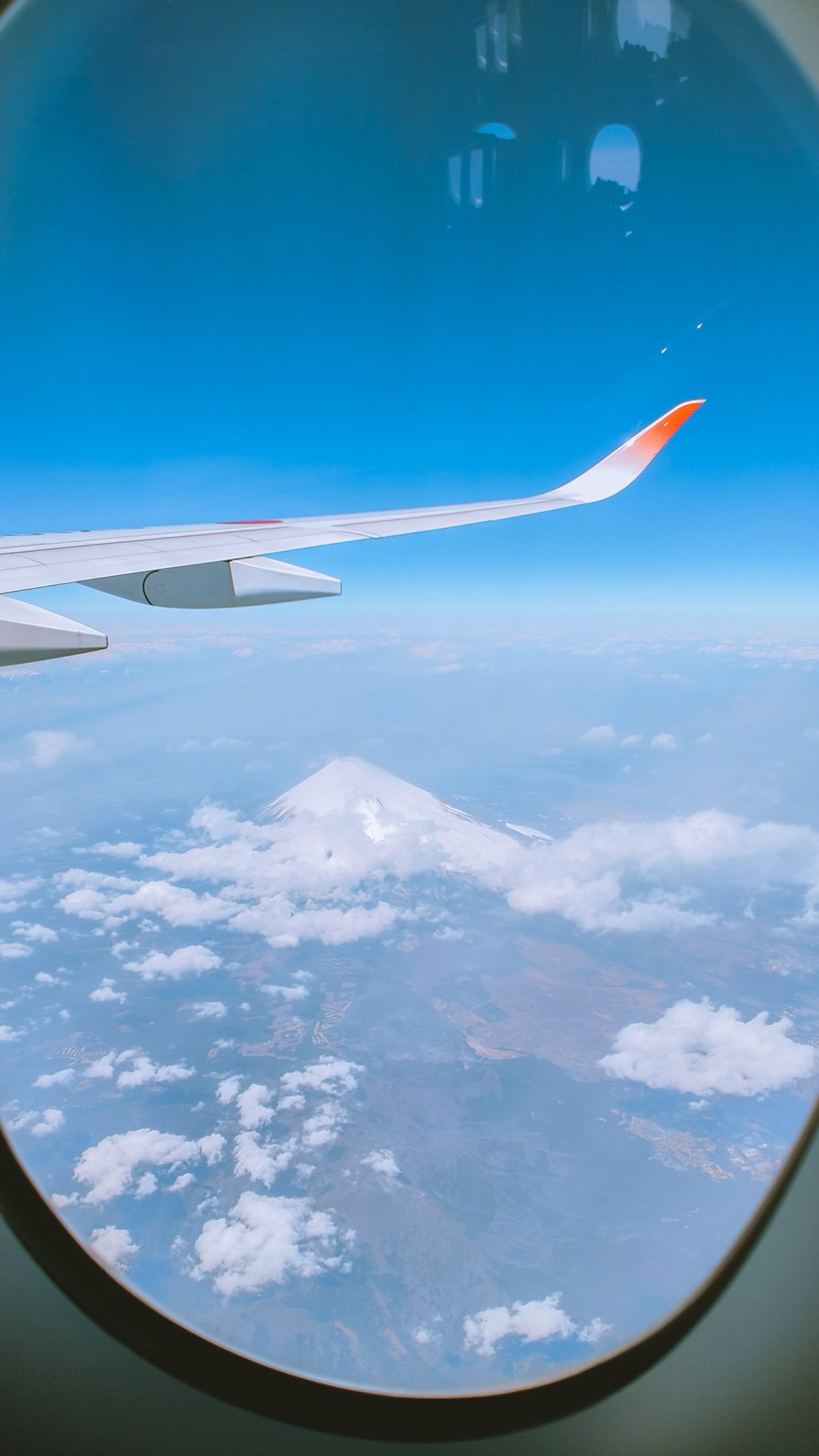
If you aren’t planning a trip just to see Mt. Fuji, one of the easiest and most underrated ways to see Mount Fuji is from a moving train or plane.
If you’re taking the Shinkansen from Tokyo toward Kyoto or Osaka, grab a seat on the right-hand side. Fuji usually comes into view around 40 to 45 minutes into the ride.
Flying out of Haneda? Choose a window seat on the right side of the plane. On a clear day, you’ll see Fuji rising above the clouds about 20 minutes after takeoff. It’s a quiet moment that never gets old.

Alternative Towns for Different Views
If you want something different, head to places like Yokohama, Kamakura, or Shizuoka. These areas offer more subtle, local perspectives of Mount Fuji that feel a bit more off the radar, especially on clear mornings by the water.
How to Get To and Around Mount Fuji
Getting to Mount Fuji is easier than most people expect. The best option really comes down to how much time you have and how much flexibility you want.
By Bus from Tokyo
For most travelers, the bus is the simplest option.
Direct highway buses run from Tokyo Station and Shinjuku to Kawaguchiko Station, one of the main hubs in the Mt. Fuji area. The ride usually takes about two hours and costs roughly ¥2,000 to ¥2,500 one way.
This is a great choice if you want a straightforward, no-transfer route that drops you right near popular viewing spots.
By Train from Tokyo
If you prefer the speed of the bullet train, take the Tokaido Shinkansen to Shin-Fuji Station. From there, you can transfer to local sightseeing buses or the Fujikyu line to reach the Mount Fuji area.
This route is fast and scenic, especially on clear days. It’s fully covered if you’re using a Shinkansen ticket or the Mt. Fuji Shizuoka Area Pass Mini.
Once you’re in the Fuji region, the Mt. Fuji Pass gives you unlimited rides on local trains, buses, and access to attractions like ropeways, cruise ships, and theme parks. It’s ideal if you plan to explore more than just one lake or town.
Passes That Save Time and Money
Train passes can save you a lot of money in Japan if you use the right ones. For Mt. Fuji area, there are a couple of options.
The Mt. Fuji Shizuoka Area Pass Mini gives you unlimited JR train access and covers buses and cruises around Fuji.
The Mt. Fuji Pass is perfect for deeper local travel. It includes unlimited rides on Fujikyu buses and trains, ropeways, and even a free ride at Fuji-Q Highland.
Guided Day Tours
If you don’t want to think about logistics at all, a guided day tour can be worth it.
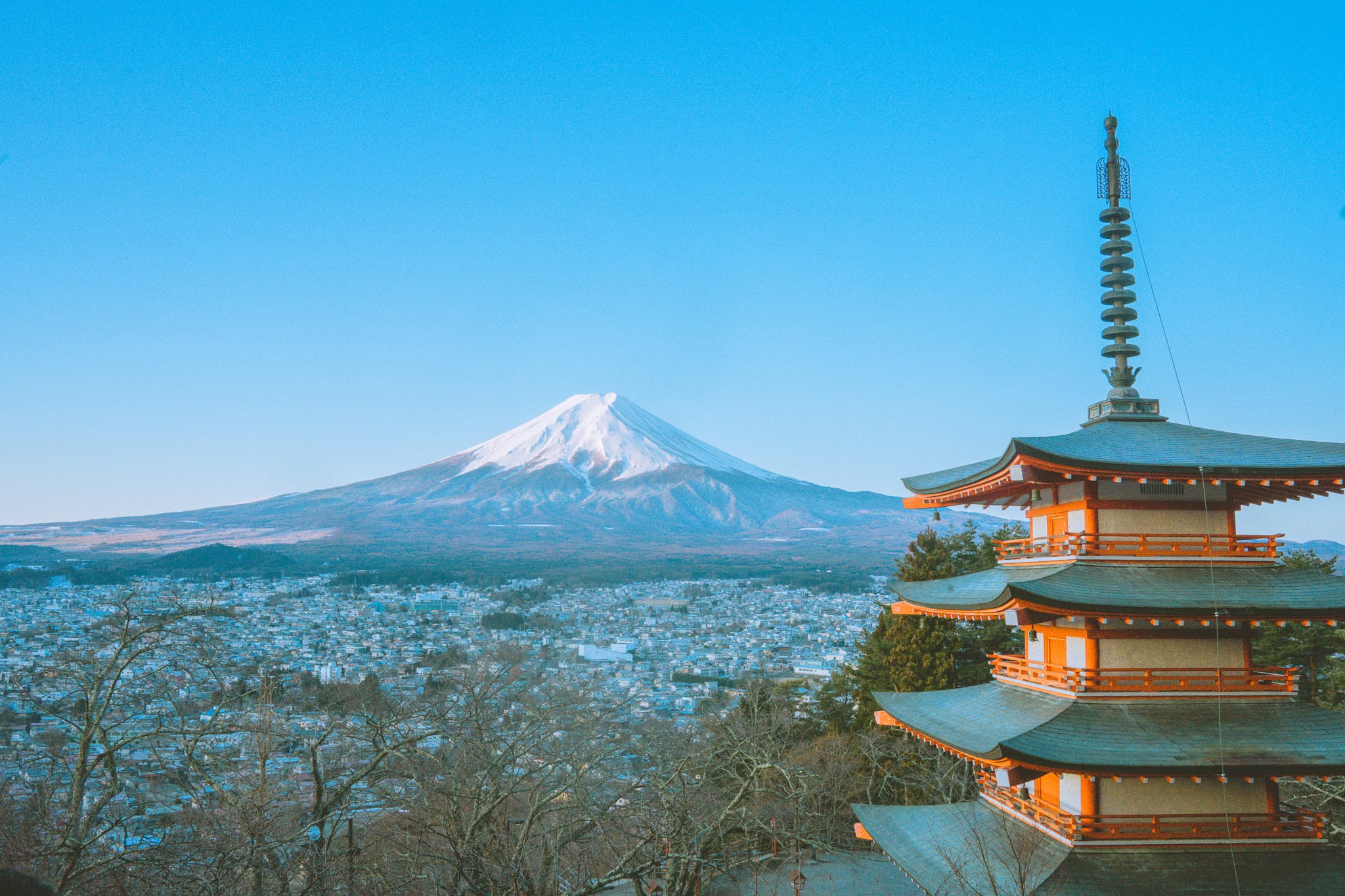
👉 Mt. Fuji 1-day group tour of 4 iconic spots: You’ll visit the thatched-roof village of Saiko Iyashi-no-Sato, stroll through Oishi Park at Lake Kawaguchiko, explore the crystal-clear springs of Oshino Hakkai, and take in the iconic view from Chureito Pagoda at Arakura Sengen Shrine.
It’s a great one-day option if you want to see a mix of natural beauty and traditional culture, all without planning anything yourself.
👉 1-day private Fuji tour with English speaking driver: This tour gives you the freedom to go at your own pace. You’ll be picked up directly from your Tokyo hotel and taken to top Fuji spots like the 5th Station, Lake Kawaguchiko, the Panoramic Ropeway, and more.
Driving Around Mount Fuji
If you’re spending more than a day around Mount Fuji and want the freedom to explore at your own pace, renting a car is the best move. It gives you access to quieter, off-the-radar viewpoints, local food stops, and scenic drives that buses won’t get you to.
We recommend booking your rental at least 3 to 4 days in advance to lock in the best rates and vehicle options.
Just one important thing to note: Japan is very strict about driving requirements. You’ll need an International Driving Permit issued in your home country before you arrive. No IDP means no rental car, no exceptions.


Where to Stay Near Mt. Fuji
We’ve written a full guide on best places to stay near Mt. Fuji here, and below are our top picks, at three different price points.
📍Fuji Premium Hotel ($): Clean, convenient, and located between Lake Kawaguchi and Lake Yamanaka. There’s a large public bath with Fuji views and it’s just a 10-minute drive to Oshino Hakkai. Simple, but solid for the price.
📍Hotel New Century ($$): Right on Lake Kawaguchi with full views of Mount Fuji right from your room window. Western and tatami rooms available, two onsen baths (one on the top floor), and the option for breakfast and dinner included. Note: kids under six can’t stay here.
We’ve spent several days here, and here’s our detailed experience.
📍Hotel Kaneyamaen ($$$$): Classic luxury near Mt. Fuji with private onsen options and serious attention to detail. It’s about 10 minutes from Oshino Hakkai and designed for those who want to unwind and soak in the views in peace.
Pro Tip: If you’re after the dream stay…private onsen, unobstructed Fuji views with spacious rooms, full-course meals, places like Ubuya or Fufu Kawaguchiko are book out 4-6 months in advance and come with a high price tag. Worth it if you’re going all in.

Best Areas to Stay for Mt. Fuji Views
Lake Kawaguchiko is the most popular base, and for good reason. It’s close to the mountain, easy to get around, and offers multiple viewpoints within walking or short driving distance. If visibility is good, this is where you’re most likely to get that classic, unobstructed Fuji view.
Lake Yamanakako is a quieter alternative with slightly fewer crowds. It’s still close enough for great views, especially on clear mornings, and can feel more relaxed than Kawaguchiko during peak seasons.
Choosing the Right Hotel Matters
If possible, look for accommodation with:
- Lake-facing or mountain-facing rooms
- Easy access to early-morning viewpoints
- Minimal transit required before sunrise
Even small details make a difference. Being able to step outside at 6:30 am instead of boarding a bus at 7:00 am can be the difference between seeing Fuji clearly and watching it disappear behind clouds.
Is Staying Overnight Worth It?
If you’re visiting in winter or have limited flexibility, a day trip can work.
But if your trip falls outside peak visibility months, or you really don’t want to leave it up to luck, staying overnight is one of the best ways to improve your odds. It gives you multiple chances across different times of day and lets you adapt if visibility shifts.
Bottom line: if seeing Mount Fuji is high on your priority list, staying nearby, even for just one night, can make the entire experience feel more intentional and less rushed.

Best Things to Do Near or At Mt. Fuji
Seeing Mount Fuji is an experience in itself, but if you want to make the most of your trip, there are some unique ways to explore the area, whether you’re coming from Tokyo for the day or staying nearby.
Climbing Mount Fuji (Summer Only)
If your goal is to climb Mount Fuji rather than just view it, summer is your only real window.
Most trails are open from early July through early September, when conditions at the summit are safer. Outside of this period, weather at higher elevations can be dangerous, with freezing temperatures and strong winds.
You’ve probably seen stories about people trying to climb Mount Fuji unprepared…getting lost, needing rescue, or worse. This is one of those times where having a guide really matters.
👉 Mt. Fuji 2-Day Climbing Tour with English Guide: This 2-day tour includes meals, an experienced English-speaking guide, a mountain hut stay, and a post-hike soak in a hot spring.
Safe, structured, and totally worth it if you want to do the climb right.
Unique Activities Near Mt. Fuji
If you have extra time or want to experience Mt. Fuji in a different way, these activities are a great way to round out your trip, whether you’re staying overnight or just passing through.
Fuji-Q Highland: Home to some of the world’s steepest and fastest roller coasters, including Takabisha and Zokkon. There’s also Thomas Land for families, and on clear days, you’ll get dramatic Fuji views while riding.
Mt. Fuji Panoramic Ropeway: A quick ride to one of the best viewpoints around Lake Kawaguchiko. Look for the Tenjo Bell, the heart-shaped photo spot, and a stop at Tanuki Jaya for skewered dumplings.
Choro-Q Mini Car Driving Experience: Cruise around Lake Kawaguchiko in a small open-air car, stopping for photos and enjoying scenic roads with Fuji views along the way.
Fuji Canyoning: Slide through lava-carved gorges, jump into clear natural pools, and cool off near Mt. Fuji on this beginner-friendly canyoning tour.

Mt. Fuji Visibility Probability Checklist
Before you head out, run through this quick checklist to sanity-check your chances of actually seeing Mount Fuji.
❏ Am I visiting between November and February? Cold, dry air gives you the best odds.
❏ Can I be at my viewing spot early in the morning (around sunrise)? Earlier is almost always better.
❏ Does the visibility forecast look good, not just the weather forecast? Check for low cloud cover and haze, not just a “sunny” icon.
❏ Do live cameras show a clear summit right now? If Fuji looks good on the cams, it’s a strong sign.
❏ Do I have flexibility to adjust plans if needed? Even shifting by a few hours or a day can make a big difference.
If you can check off most of these, you’re giving yourself a solid shot. If not, it doesn’t mean your trip is doomed, just that expectations should stay realistic.
Mount Fuji has its own mood. Planning smart and staying flexible is the best way to meet it on a good day.
Conclusion
Mount Fuji doesn’t always show up, but when it does, it’s unforgettable.
The clearest views usually happen in the colder months, especially early in the morning, when the air is calm and clouds haven’t had time to form. Choosing the right timing, checking visibility instead of just the weather, and staying flexible with your plans can dramatically improve your chances.
Whether you’re heading to Lake Kawaguchiko, exploring Hakone, staying overnight near the mountain, or hoping to catch a glimpse from Tokyo, the key is setting realistic expectations and giving yourself more than one opportunity if you can.
Safe travels, and here’s hoping Fuji shows up for you in all its glory.
Save on Pinterest


You must be logged in to post a comment.