
Miyajima 1 Day Itinerary: What to Do, See, and Eat on Japan’s Sacred Island
Miyajima is an easy day trip from Hiroshima and one of those rare places in Japan that balances iconic beauty with local calm. A visit to Miyajima Island delivers a much-needed shift in pace.
From wild deer roaming the beaches to one of the most famous torii gates in the country, it has a little bit of magic, no matter the season. We’ve visited Miyajima every single time we go to Hiroshima. And it never gets old.
In this guide, we’re sharing exactly how to plan your Miyajima day trip, including things to do, things to see, and of course, what to eat. You’ll also get a full 1-day itinerary you can follow, or remix, depending on your pace and travel style.
Plan your trip with our favorite resources
Where to Stay in Japan: check best deals
Transport & activities: klook.com (save up to 10% with code DANAYAO)
eSIM for Japan: stay connected with Airalo
Why Visit Miyajima?
Miyajima is one of the best day trips you can take from Hiroshima or cities in Kansai like Kyoto or Osaka: easy to get to, but full of experiences that feel worlds away. It’s the kind of place that surprises you with how much it offers, especially for such a small island.
From street food to sacred sites, this island packs a lot into one visit. You’ve got freshly grilled oysters, a torii gate built over water, deer roaming the beach, and one of the best panoramic views in Japan from the top of Mt. Misen. It’s a hidden gem that doesn’t feel hidden once you’re there, just special.
If you’re looking for a day that balances iconic sights with quiet moments and great food, Miyajima checks every box.
What Is Miyajima Known For?
Miyajima is known for grilled oysters, floating torii gates, and free-roaming deer, but it’s more than just a checklist of photo ops.
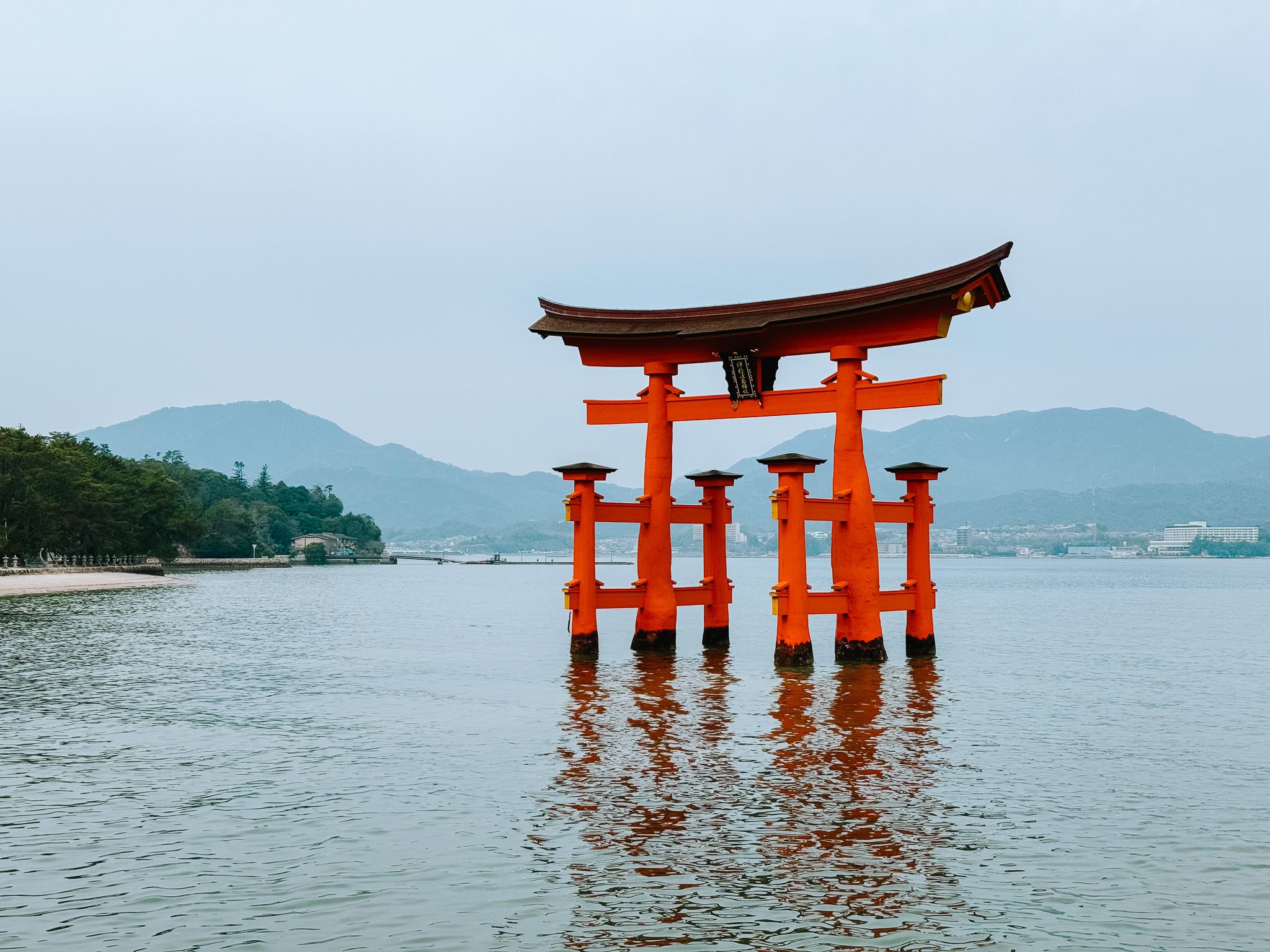
When most people picture the island, they think of the bright red torii gate floating offshore. And fair enough, it’s one of the most photographed spots in Japan. But the island has more going on than just one shrine view.
Miyajima is also the birthplace of the giant wooden rice paddle, now on display at the Etto Miyajima Community Center as a symbol of good fortune.
You’ll find grilled oysters freshly cooked along the Omotesando shopping street, with locals and visitors alike crowding around sizzling trays.
And the deer? They wander the island freely through parks, beaches, and even near souvenir shops, unbothered and oddly photogenic.
Nature is a huge part of the experience too. Quiet shrine paths, maple-filled parks, and panoramic sea views from Mt. Misen give the island its unique rhythm. It’s compact, but rich with details, and every visit uncovers something new.

Miyajima Day Trip Itinerary
This 1-day itinerary covers everything from deer-dotted beaches and grilled oysters to scenic shrine visits and panoramic views from Mt. Misen. It’s a full but flexible day designed to show you the best of Miyajima at your own pace.
On paper, it might look like a lot of stops, but don’t be intimidated. Everything is walkable, and many of these spots are part of the same general area. You’ll move naturally from one to the next without feeling rushed.
Morning
Start your day by arriving in Miyajima from Hiroshima, Kyoto, or Osaka. It’s an easy trip that leads straight into a peaceful, walkable loop of iconic shrines, hillside temples, and a few unexpected spots that set the tone for the rest of the day.
Etto Miyajima Community Center
Start your morning with one of Miyajima’s most iconic oddities: the giant wooden rice paddle. This quick stop is both quirky and symbolic, and it sets the tone for the mix of tradition and charm you’ll find all over the island.
Just outside, you’ll likely spot deer perched along the beach or wandering through nearby streets.
Itsukushima Shrine (300 yen)
This historic shrine is built over the water on wooden stilts, creating a dramatic floating effect during high tide. Originally constructed in 593, it’s now a UNESCO World Heritage Site and includes a Treasure Hall filled with over 4,000 artifacts. A combined ticket is 500 yen and well worth it for the extra historical context.

Grand Torii Gate
One of the most recognized views in Japan, the vermillion torii stands in the sea just beyond the shrine. If you time your visit right, you can walk out to its base during low tide. If not, it’s still incredible to view from the shore. Check this tide chart to see if the water level will be low enough that day.

Senjokaku Pavilion (100 yen) and Toyokuni Shrine Pagoda
Just a short walk from the shrine, Senjokaku is a wide, open-air wooden hall that was originally commissioned by Toyotomi Hideyoshi in 1587 but left unfinished after his death. Its raw structure and peaceful atmosphere make it one of the island’s most underrated spots. Right next to it, the five-story Toyokuni Pagoda rises over the treetops and adds a dramatic touch to the skyline.
Daishoin Temple
Founded more than 1,200 years ago, this is one of the island’s most spiritually rich and visually interesting sites. The temple grounds are filled with more than 500 jizo statues, many dressed in red hats and scarves. The stone stairways are lined with metal prayer wheels that you can spin as you walk, adding a tactile rhythm to the visit.

Henjokutsu Cave
A short walk beyond Daishoin, this cave contains over 80 statues representing the temples of the Shikoku Pilgrimage. Dim lanterns hang from the ceiling, giving the space a quiet, contemplative feel. If you collect goshuin stamps, this is a special spot to add to your book.

Optional: Shiraito Falls
For early risers or hiking lovers, the short trail to Shiraito Falls is a peaceful way to start the day. It’s tucked deeper into the forest and offers a bit more seclusion before heading into the busier parts of the itinerary.
Afternoon
The afternoon takes you from food and shopping to maple trees and mountaintop views. This part of the day is flexible depending on your pace, but everything flows naturally as you move toward Mt. Misen.
Miyajima Omotesando Shotengai and Lunch
This is the island’s main shopping street, packed with souvenir shops, street food, and casual restaurants. You’ll find local specialties like grilled oysters, deep-fried momiji manju, and all kinds of skewers cooked to order.
It’s also a great spot to pick up handcrafted souvenirs or just enjoy some people-watching as the deer wander in and out of the crowds.
We had lunch at Shibaisaryo Mizuha, located right along the shotengai, where you can try deep-fried oysters or a grilled conger eel rice bowl set.

Momijidani Park
Just past the shopping street, this riverside park is known for its bright red maple leaves in the fall and peaceful walking trails year-round. A small wooden bridge crosses the Momijidani River, and the entire area feels like a quiet reset before the climb.
The park also serves as a natural path toward the Mt. Misen Ropeway, only about a 2-minute walk from here.

Miyajima Ropeway and Mt. Misen Hike
Take the ropeway up to Mt. Misen for one of the best panoramic views in Japan. Depending on where you start, the full hike to the summit can take between 90 and 120 minutes.
Along the way, stop at Satomichaya Observatory, which has a small rest area and views of the Niou Gate and Kujira-iwa, a giant rock perched dramatically above the walking path.
At the summit, you’ll reach the Mt. Misen Observatory, where you can see across the Seto Inland Sea. There are labeled markers on the viewing platform to help you identify different parts of the landscape.
Just be sure to check the ropeway schedule. Last departures are typically around 4:30 pm. If you miss it, you’ll need to hike down by foot.

Evening
Wind down your day with golden light, quieter streets, and one last look at Miyajima’s most iconic view before heading back.
Sunset at the Grand Torii Gate
As the sun starts to set, make your way back toward the shoreline for one last view of the floating torii gate. Most shops in the shotengai will be closed by now, and the crowds begin to thin out, making this one of the calmest and most beautiful moments of the day.
The gate glows in the evening light, and if the tide is low, you can walk right out again for a final close-up.
Heading Back or Staying Overnight
If you’re returning to Hiroshima or other Kansai cities, make your way to the ferry terminal and catch the next ride back. Be sure to check the schedule in advance so you don’t miss the last departure.
If you’re staying overnight, this is when the island feels completely different. Once the day-trippers leave, you’ll have the streets, shrines, and shoreline almost to yourself. It’s a quieter side of Miyajima that’s well worth experiencing if you have the time.

How to Get to Miyajima
Getting to Miyajima is straightforward whether you’re coming from Hiroshima, Kyoto, or Osaka. You have a few options depending on your starting point, budget, and travel style.
From Hiroshima
The most common route is to take the JR Sanyo Line from Hiroshima Station to Miyajimaguchi Station (about 30 minutes).
From there, it’s a short walk to the JR Miyajima Ferry, which takes around 10 minutes to reach the island. The ferry is covered by the Japan Rail Pass, but note that there’s an additional 100 yen Miyajima visitor tax paid separately.
Alternatively, you can also take a high-speed boat directly from Hiroshima City (around 25 to 45 minutes), with departures from locations like the Peace Memorial Park or the Grand Prince Hotel. This option costs more (around 2,300 yen plus tax) but is scenic and convenient.
From Kyoto or Osaka
Take the Shinkansen to Hiroshima Station (about 2 hours from Kyoto or 90 minutes from Osaka). From Hiroshima, follow the same route: JR Sanyo Line to Miyajimaguchi Station, then the ferry.
Alternatively, you can use the high-speed boat option once you reach Hiroshima if you prefer to skip the train-to-ferry transfer.

Unique Activities and Experiences in Miyajima
If you have extra time or just want to experience something a little different, Miyajima offers a few hands-on, lesser-known activities that can round out your visit in a meaningful way.
Glide through Miyajima’s scenic streets on a traditional rickshaw tour, complete with a guide who shares local history as you pass by shrines, townhouses, and temple paths. It’s a relaxed way to see the island, including highlights like Daishoin and Senjokaku.
Just a five-minute walk from the Itsukushima Shrine exit, this small but packed aquarium features over 15,000 sea creatures across 380 species, including sea lions, otters, and even finless porpoises. Great for families or if you’re looking for a break from walking.
👉 Kimono, Tea Ceremony, and Calligraphy Experience
Try on a kimono, take part in a tea ceremony, and even try your hand at Japanese calligraphy. This cultural experience lets you slow down, connect with local traditions, and take home a few memorable keepsakes.
For all cool things to do, check out our 13 Best Things to Do in Miyajima guide!
Best Time to Visit Miyajima
Miyajima is beautiful year-round, but the best times to visit are during the fall foliage season (late October to late November) and spring cherry blossom season (late March to early April).
The island’s maple trees turn vivid red and gold in autumn, especially in Momijidani Park, and the whole area glows with color.
For a unique experience, check the tide schedule before you go. Visiting during low tide lets you walk right up to the base of the torii gate, while high tide gives you that classic floating look. Either way, the view is worth it.

Where to Stay in Miyajima
While Miyajima works well as a day trip, staying overnight gives you a completely different experience. Early mornings are calm and quiet, with no crowds, no lines, and soft light over the torii gate. If you want to go deeper and enjoy the island at its slowest pace, staying overnight is worth considering.
📍Budget Option:
Miyajima Hotel Makoto: A great option for families or travelers who want traditional tatami-style rooms without breaking the bank. It’s a 4-minute walk to Omotesando Shotengai and a 9-minute walk to the ferry terminal. The hotel includes a shuttle, garden views, a public bath, and private baths available on a first-come basis.

📍Mid-Range Option:
Jukeiso: Located on a quiet hillside with sea views of the torii gate and Itsukushima Shrine. Includes an indoor bath and optional private open-air bath that overlooks the shrine. Shuttle service is available, and it’s a peaceful spot if you want a little more space to relax.

📍Luxury Option:
Iwaso: Just a 3-minute walk to the shrine, Iwaso is a luxury ryokan known for its beautiful setting and open-air mineral springs. The experience is classic Japanese hospitality, with tatami rooms, multi-course meals, and a shuttle to and from the ferry terminal.

📍Bonus Option:
Grand Prince Hotel Hiroshima: We’ve personally stayed here for several nights and loved the balance of comfort, views, and convenience. The hotel sits right on the coast, offering sweeping views of Hiroshima Bay and a sense of calm you don’t always get in the city.
What really sets it apart is the direct high-speed ferry access to Miyajima: being able to walk from your room to the dock and head straight to the island is incredibly convenient. If you’re planning to visit Miyajima but prefer to stay in Hiroshima, this is an ideal option with solid value.

Miyajima travel FAQ
How far is Miyajima from Hiroshima?
Travel time is typically between 25 to 45 minutes, depending on how you get there.
The most common route is to take the JR Sanyo Line to Miyajimaguchi Station, then hop on the JR Miyajima Ferry for a 10 to 15-minute ride. Just remember to bring 100 yen for the separate Miyajima visitor tax.
Miyajima day trip or overnight?
For most travelers, a day trip from Hiroshima is enough to cover the highlights. That said, staying overnight is a great way to experience the quieter side of the island once the day-trippers leave.
If you’re after early-morning serenity or golden-hour views without the crowds, consider staying the night.
Can Miyajima be done in a half day? How much time do you need?
Yes, you technically can do a half-day trip, but it will feel rushed. You’ll likely miss Mt. Misen and a few deeper experiences. We recommend spending at a full day to get the most out of your visit without feeling like you’re racing through it.
Can you do Miyajima and Hiroshima in one day?
It’s possible, but we don’t recommend it. Both places deserve a bit of breathing room. However, if you’re short on time, you can book a guided tour that combines both in a single day, but just know you’ll be moving quickly.
What to eat in Miyajima?
Miyajima is known for fresh oysters, served grilled or deep fried, and momiji manju (maple leaf shaped sweets filled with red bean paste or custard).
For something extra, try Miyajima Jakee, the deep-fried version. We ate at Shibaisaryo Mizuha, which serves excellent deep-fried oysters and grilled conger eel rice bowls.
You’ll also find cozy coffee stops like Itsuki Coffee the Terrace for a mid-day break.

Where to buy souvenirs on Miyajima?
Popular souvenir picks include miniature wooden rice paddles, momiji manju, and shrine amulets/omamori from Itsukushima Shrine. The Omotesando shopping street has plenty of local shops with handcrafted gifts and snacks to take home.
Conclusion
Miyajima is absolutely worth a day trip. It’s an easy escape from Hiroshima and offers a lighter, slower-paced day filled with cultural icons, coastal views, and some of the best oysters in Japan.
From floating torii gates and forested hikes to peaceful temples and deer-dotted streets, this island gives you just enough to feel full but not overwhelmed.
Follow the itinerary above or mix and match based on your pace. Either way, you’ll leave with that feeling only Miyajima seems to deliver: calm, inspired, and maybe a little sun-kissed.
Enjoy your trip!
You must be logged in to post a comment.