
Where to Stay in Kyoto: 6 Best Areas and Hotel Recommendations 2026
Kyoto is a beautiful city that just stays with you. Ancient temples, quiet alleyways, beautiful fall leaves. It’s a place with so much to offer, and we keep coming back.
We first visited back in 2013, and the city has been changing ever since. We’ve returned multiple times and stayed all over, from luxurious Airbnbs and budget hotels to traditional machiyas with private onsen. After years of hopping around and doing way too much research, we now have a clear idea of what each area offers and for what reason.
This guide breaks down the 6 best areas to stay in Kyoto based on where you are going, what you want to see, and how you like to travel. Whether it’s your first time in the city, you are visiting with family, on a budget, or looking for something more luxurious and traditional, we have something for you.
Plan your trip with our favorite resources
Where to Stay in Japan: check best deals
Transport & activities: klook.com (save up to 10% with code DANAYAO)
eSIM for Japan: stay connected with Airalo
In a Rush? Here’s Our Top Picks
This guide is quite extensive and it’s covering all the areas and best hotels in each area. But if you are short on time or just want some quick recommendations, here they are.
| Area | Best for | Best hotel pick |
|---|---|---|
| Downtown Kyoto | Central location near shopping and dining, with easy access to public transportation | 📍Ritz-Carlton Kyoto ($$$$): Best for luxury with riverfront views 📍KOKO HOTEL Residence Kyoto Nijo Castle ($$): Best for families and groups |
| Southern Higashiyama | Iconic temples you see on travel guide, historic streets, and that classic feeling | 📍Four Seasons Kyoto ($$$$): Best classic luxury |
| Central Kyoto | Quieter neighborhood still with easy access to cultural landmarks | 📍Nazuna Kyoto Gosho ($$$$): Best for a ryokan stay with an open-air bath |
Hotel Pricing Key:
- $ – under $80 per night
- $$ – $80-200 per night
- $$$ – $200-500 per night
- $$$$ – $500-1000 per night
- $$$$$ – over $1000 per night
Best Luxury Hotels in Kyoto
Kyoto knows how luxury is done. Think riverfront or temple views from your room, open-air onsens, and world-class design. If you’re looking to treat yourself or splurge a little, these are the classic luxury hotels that make your experience unforgettable.
📍Ritz-Carlton Kyoto ($$$$): Luxury with river-front views
📍Aman Kyoto ($$$$$): Peaceful and luxurious stay
📍 Four Seasons Kyoto ($$$$): Classic luxury
📍 Six Sense Kyoto ($$$$): Serene luxury
📍 Park Hyatt Kyoto ($$$$): Unbeatable sunrise temple views
Kyoto Hotels with Private Onsen
It is a traditional city, and of course, enjoying your own private onsen can take that experience to the next level. After a full day of exploring temples and strolling through the city, there’s nothing better than winding down in your own bath with a view.
These stays offer this kind of calmness with beautiful in-room onsen. And the price tag is higher too for that ultimate luxury you are looking for.
📍Suiran, a Luxury Collection Hotel, Kyoto ($$$$): Best riverfront luxury with in-room onsen
📍ROKU KYOTO, LXR Hotels & Resorts ($$$$): Best peaceful and relaxing stay
📍Kyo Yunohana Resort Suisen ($$$$): Best onsen resort-style stay

Best Kyoto Hotels for Family
If you’re traveling with your family, little ones, or in a friends group, you’ll want a stay that’s comfortable, spacious, and close to the sights without the stress. These hotels have the right mix of convenience, traditional vibes, and more room to breathe.
📍Kyoto Arashiyama Onsen Kadensho ($$$$): Best traditional onsen stay
📍Kyo Yunohana Resort Suisen ($$$$): Best onsen resort-style stay
📍KOKO HOTEL Residence Kyoto Nijo Castle ($$): Best budget option for families and groups
6 Best Areas to Stay in Kyoto
We divided the city into these 6 areas based on what actually matters when you’re traveling.
Proximity to attractions: When you’re traveling to Kyoto, you don’t want to waste your precious time just waiting and being on public transportation. Staying near the places you want to visit means more time enjoying them and less time figuring out how to get there.
Transportation and walkability: The city gets crowded, especially during peak seasons. Being near major transit lines or within walking distance to top sights helps you beat the crowds and get where you’re going fast.
Restaurants and shops: On slower days, or when you’re not temple-hopping, it’s nice to just walk around and see things. A good neighborhood should have places to eat, nice shops to browse, and streets that are just fun to explore.
If you are on a tight schedule, here’s our 2-day Kyoto itinerary that lets you enjoy what the city has to offer.
These are the 6 areas we keep recommending, and we’ll provide the detailed guide for each area in the following sections.
- Downtown Kyoto
- Central Kyoto
- Kyoto Station
- Southern Higashiyama
- Northern Higashiyama
- Arashiyama

1. Downtown Kyoto
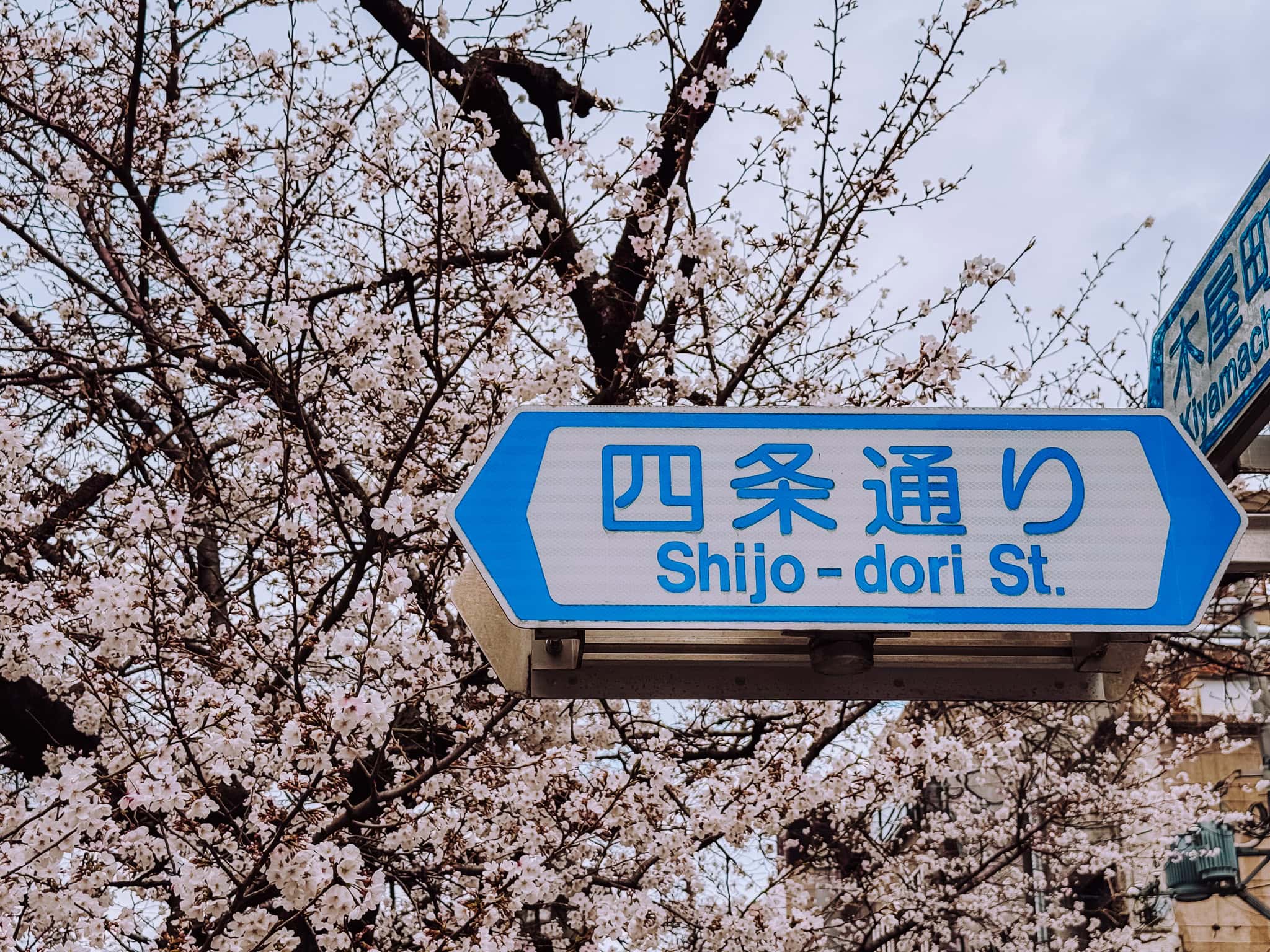
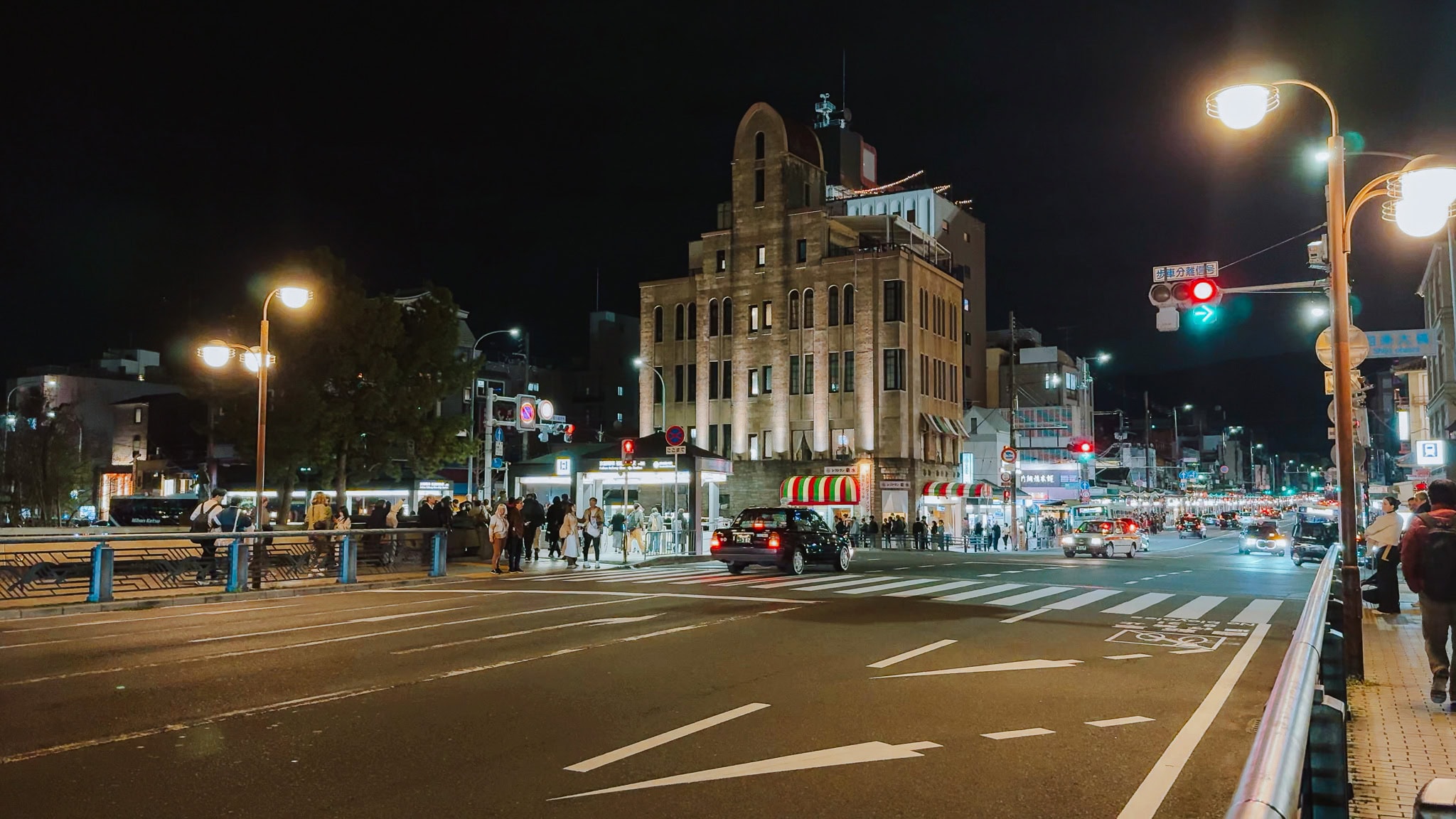
If you want to be in the middle of everything, Downtown Kyoto is where you stay. Also called the Kawaramachi or Shijo-dori area, it’s the city’s main hub: right by the Kamo River, full of restaurants, shops, department stores, and easy access to almost every part of Kyoto.
It’s central, lively, and convenient. You can spend the morning walking through a quiet temple in Higashiyama, grab lunch down the street, wander around the market, then head to Kamo River for some night water viewing.
Pros: You’re close to everything: Northern and Southern Higashiyama, Central Kyoto, all within easy reach. Very walkable to the Gion area. Public transportation is also very accessible here, both subway lines and endless bus routes. It’s walkable, lots of places to eat, and you’re never far from something cool to do.
Cons: This area is busy. It’s loud, full of foot traffic, and can feel overwhelming during peak seasons. If you’re looking for peace and quiet, you’ll need to find it early in the morning or stay somewhere more tucked away.

Where to Stay in Downtown Kyoto
These are our top hotel picks in the downtown area, from classic luxury to traditional stays and good-value options.
📍Ritz-Carlton Kyoto ($$$$): Best for a luxury stay with riverfront views
📍Kyoisuke ($$$): Best for group and family stays at a traditional machiya (traditional wooden townhouse)
📍KOKO HOTEL Residence Kyoto Nijo Castle ($$): Best budget option for families and groups
📍Karasuma Kyoto Hotel ($): Best for affordability and accessibility
Things to Do in Downtown Kyoto
This area is super convenient and packed with things to do. On busy days or slow ones, there’s always great food to eat, streets to walk around, and something to discover just around the corner.
Nishiki Market: The city’s most famous food market, full of local snacks, seasonal specialties, and everything from fresh seafood to pickled veggies. It’s loud, fun, and great for grazing your way through lunch.
Pontocho Alley: One of the best places to spot a geisha in the evening. This narrow, lantern-lit street is lined with machiya, tiny bars, hidden restaurants, and that classic atmosphere.
Kyoto International Manga Museum: A chill spot if you want a break from temples. Over 50,000 manga line the “Wall of Manga,” and there’s a solid selection in English too.
Teramachi Dori: A covered shopping street with an easy mix of local shops, cafes, and food stands. Good for a casual stroll, especially if it’s rainy or you’re just in the mood to wander.
2. Central Kyoto
If you’re looking for something a little calmer but still close to everything, Central Kyoto is a solid pick. This area includes the neighborhoods around Kyoto Imperial Palace, Nijo Castle, and even up toward Kinkakuji (the Golden Pavilion).
You won’t find the same buzz as downtown, but it’s a great base if you want to slow down while still staying connected. It’s quiet, peaceful, and historic.
You can start your morning in the gardens of the Imperial Palace, visit a castle after lunch, and still get to Gion or Southern Higashiyama in time for dinner. It’s not the flashiest part of the city, but it has its own kind of depth.
Pros: It’s quieter and more relaxed, with major historical sites like Kyoto Gyoen, Nijo Castle, and the Imperial Palace within walking distance. Great if you want some calm without feeling too far removed.
Cons: You’ll likely need public transportation to get to more of the big tourist attractions, especially if you’re planning to explore the Higayshiyama area. Not ideal for those who want everything just outside the door.

Where to Stay in Central Kyoto
These stays offer calm and easy access to iconic landmarks. Whether you’re after luxury, a ryokan, or just a nice place to stay, these are our picks.
📍Aman Kyoto ($$$$$): Best for a peaceful and luxurious stay
📍Nazuna Kyoto Gosho ($$$$): Best for a ryokan stay with an open-air bath
📍Kyoto Brighton Hotel ($$): Best for a relaxing budget stay
Things to Do in Central Kyoto
This area is packed with important historical spots and quieter gardens. It’s perfect for anyone who wants big cultural sights without big crowds.
Kyoto Imperial Palace and Park: Former residence of the Emperor of Japan before the capital moved to Tokyo. Surrounded by a huge public park, it’s one of the best places in the city for cherry blossom or fall foliage season.
Kyoto Botanical Gardens: One of Kyoto’s most overlooked garden. A beautiful place to wander through seasonal flowers and cherry blossoms, especially if you want something less touristy.
Nijo Castle: A UNESCO World Heritage Site and former shogun residence. It’s full of Edo-period architecture, stone moats, and peaceful gardens.
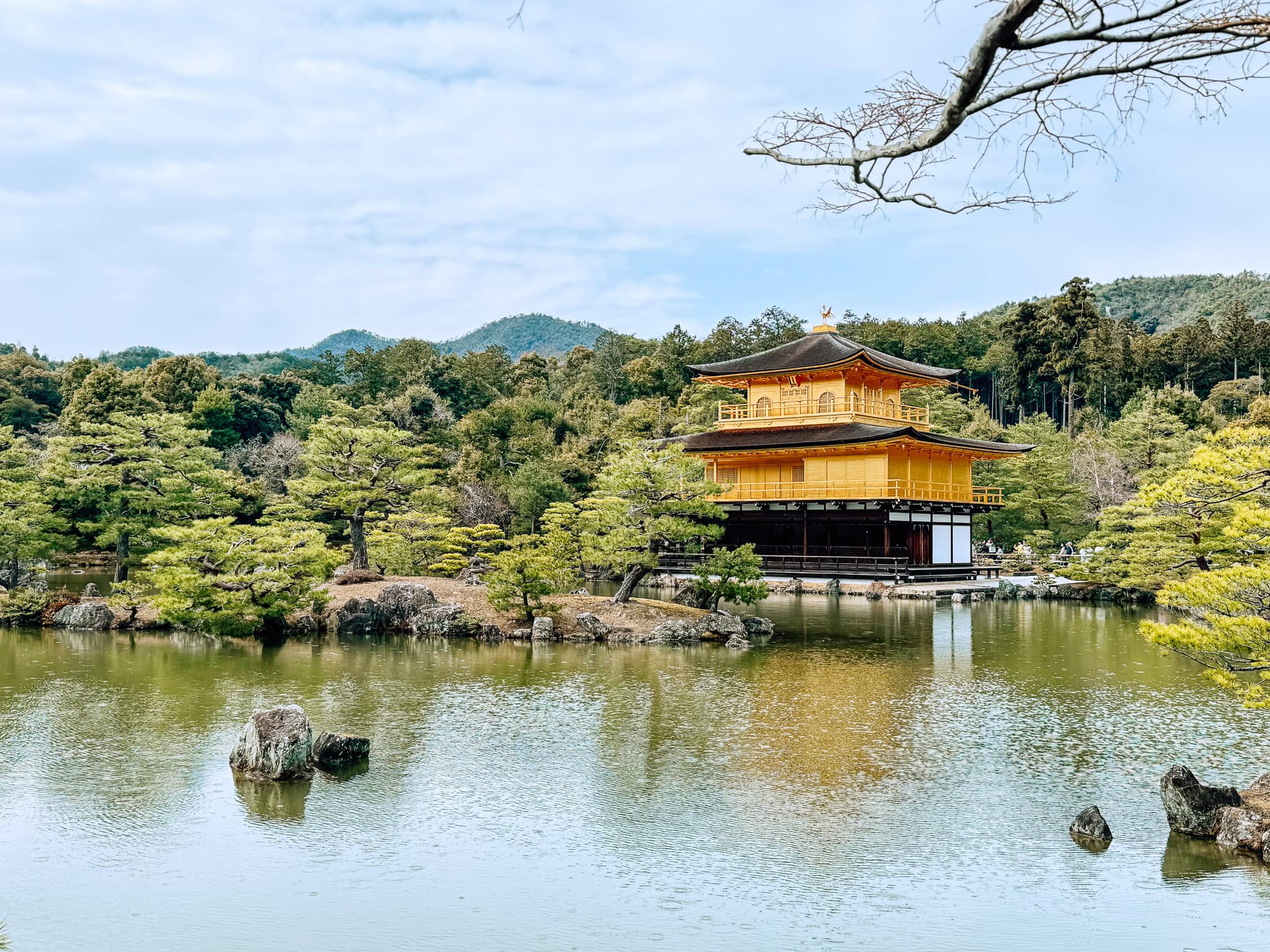
Kinkakuji (Golden Pavilion): One of the most iconic buildings, fully covered in gold leaf and beautifully reflected in the surrounding pond. Worth the trip just for the view alone.
3. Kyoto Station
If you’re coming into the city by Shinkansen or flying into Kansai International Airport, this is likely your starting point.
Kyoto Station is the city’s main transportation hub, connecting bullet trains, local trains, buses, and subways all in one place. It’s busy, efficient, and makes getting around super easy.
This area is all about transportation and convenience. It’s a great base if you plan to do day trips to Osaka, Nara, or other parts of Kansai. Plus, the station itself is massive, with restaurants, shops, and department stores layered across multiple floors.
You can literally spend a whole day here without leaving the building.
Pros: It’s one of the best areas to stay if you want smooth access to transportation. You’re connected to almost everywhere, from Tokyo to small day trip towns. The station is full of places to eat, shop, and recharge between adventures.
Cons: This isn’t the prettiest or most cultural part. There’s not much to see just outside your door, aside from Kyoto Tower and maybe Fushimi Inari if you’re up for a short ride. It’s more functional than scenic.

Where to Stay Near Kyoto Station
If convenience is your priority, these hotels are great picks. They have direct access to trains and make it easy to move between cities without the hassle.
📍Dusit Thani Hotel Kyoto ($$$): High-end luxury hotel with Thai design, spacious rooms, and an indoor pool
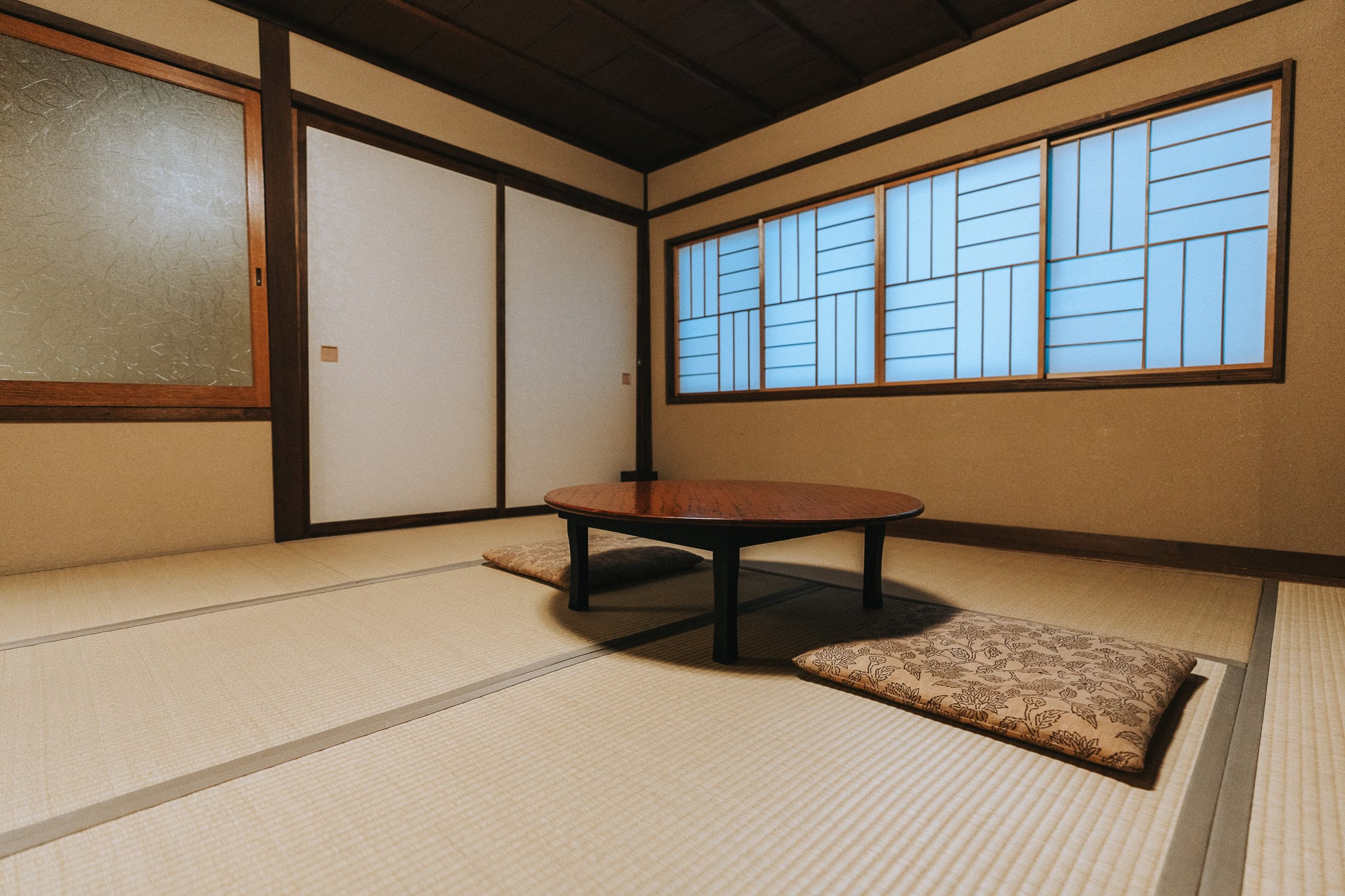
📍Marufukuro Hotel ($$$): A unique boutique stay built inside the original Nintendo headquarters
📍Hotel Granvia Kyoto ($$): Solid cheaper option with direct access to Kyoto Station
Things to Do Near Kyoto Station
There’s not a ton of sightseeing right in this area, but the station itself has a few cool spots if you’ve got downtime between trains.
Kyoto Station Itself: This multi-level station is filled with shops, restaurants, and even rooftop gardens. The Skyway Tunnel on the 11th floor also has panoramic views over the city.
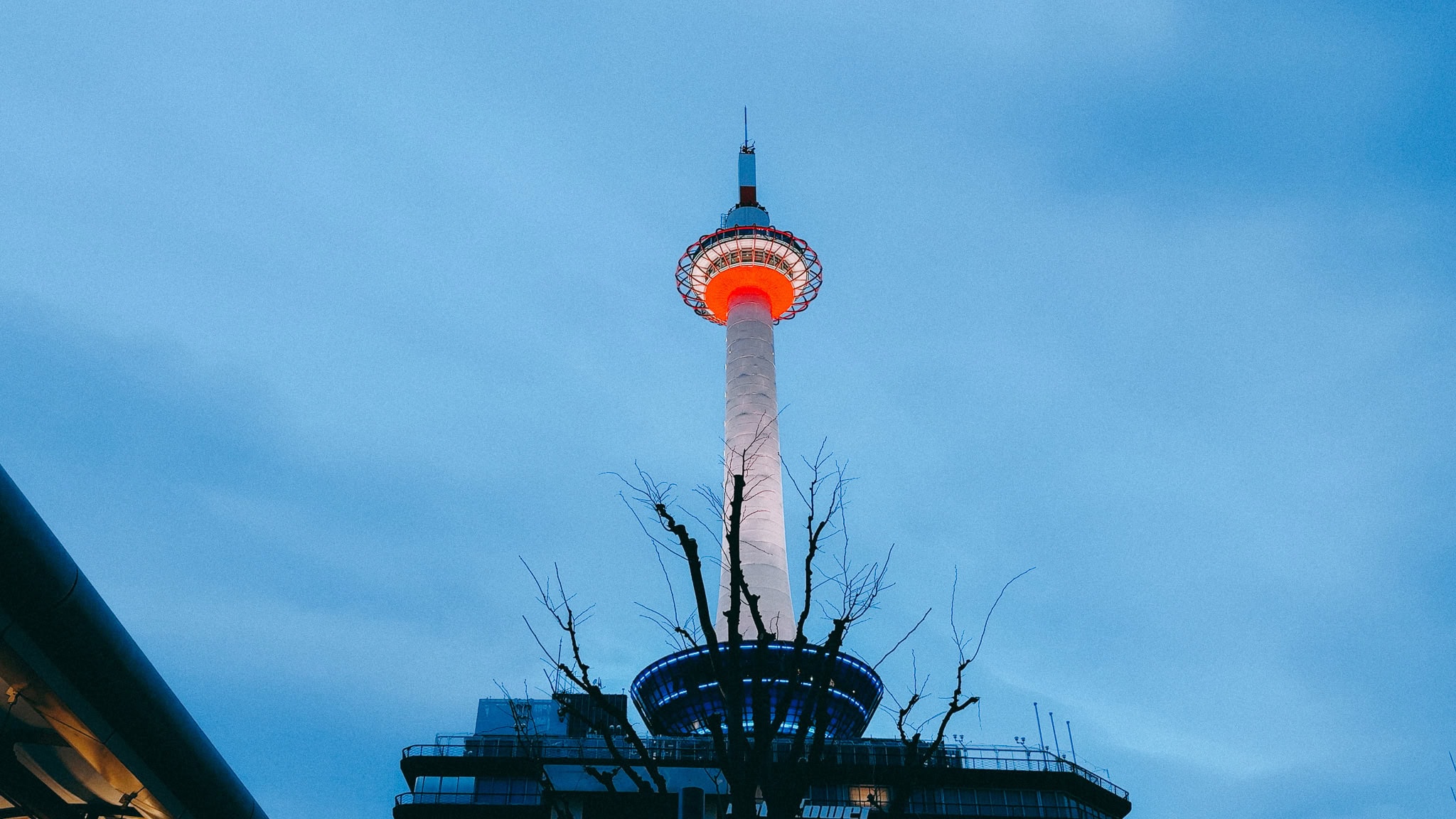
Kyoto Tower: Right across from the station. It’s the tallest building in the area and offers 360-degree views, especially great at sunset or after dark.
Kyoto Railway Museum: One of the best train museums in Japan. It’s fun, family-friendly, and packed with exhibits like vintage trains, simulators, and hands-on activities.
4. Southern Higashiyama
If you want to feel like you’ve stepped into historic Kyoto, Southern Higashiyama is where that happens. It’s what most people picture when they dream about Kyoto and for good reason. Think narrow cobblestone streets, wooden townhomes, and soft lantern light.
This area is home to Gion, Kiyomizu-dera, and the famous Yasaka Pagoda. You’ll find countless temples, shrines, and those picturesque streets that pop up in all the travel guides.
It’s one of the best places to explore early in the morning before the crowds roll in or to take a quiet walk through history at night.
Pros: Great views of the Yasaka Pagoda, and the whole area feels deeply tied to Japan’s traditional history and culture. You’re also right next to the downtown area and Gion, which means great food, lots of things to do, and the chance to walk to many top sights.
Cons: This area gets busy, especially during cherry blossom season and fall foliage. Accommodation prices also spike during peak seasons, and peaceful moments can be hard to come by unless you plan ahead.

Where to Stay in Southern Higashiyama
These hotels give you that perfect mix of the old city charm with nice modern comfort while staying connected to the central hub with many things to do.
📍Four Seasons Kyoto ($$$$): Best classic luxury stay with peaceful gardens and incredible service
📍Six Sense Kyoto ($$$$): Best for a serene, design-forward stay that still feels deeply local
📍Park Hyatt Kyoto ($$$$): Best views in town and a location right next to Yasaka Pagoda
📍The Hotel Seiryu Kyoto Kiyomizu ($$$): A boutique luxury stay inside a beautifully restored schoolhouse
📍Gion Elite Terrace ($$): Best wellness-style stay with private saunas and a quiet setting
Things to Do in Southern Higashiyama
You won’t run out of things to do in this area. This is what draws millions of visitors every year.
Yasaka Shrine: One of the most famous shrines, known for its vibrant atmosphere at night and during cherry blossom season. Located at the end of Shijo Street, it lights up beautifully with hundreds of lanterns. Don’t miss the nearby Maruyama Park and its iconic Gion Weeping Cherry Tree.
Kiyomizu-dera: One of the most famous temples, perched on the hillside with a sweeping view of the city. The best time to go is late afternoon before sunset. The streets leading up to it are lined with shops, snacks, and souvenirs.
Gion District: Iconic geisha neighborhood. Wooden townhouses, teahouses, and cobblestone lanes give it timeless vibe. The Shirakawa area, which runs along the canal, is especially beautiful. Just be respectful. Spotting, stalking, and chasing a geisha is definitely not welcomed nor legal.
Yasaka Pagoda: That famous five-story pagoda you’ve seen all over Instagram. It’s one of most photographed landmarks and looks especially magical at sunrise or right after sunset.

5. Northern Higashiyama
Northern Higashiyama is a quieter, more residential part of city that leans into the slower side of travel. If you’re looking for peaceful walks, charming streets, and quiet temples without the massive crowds, this area is where you go.
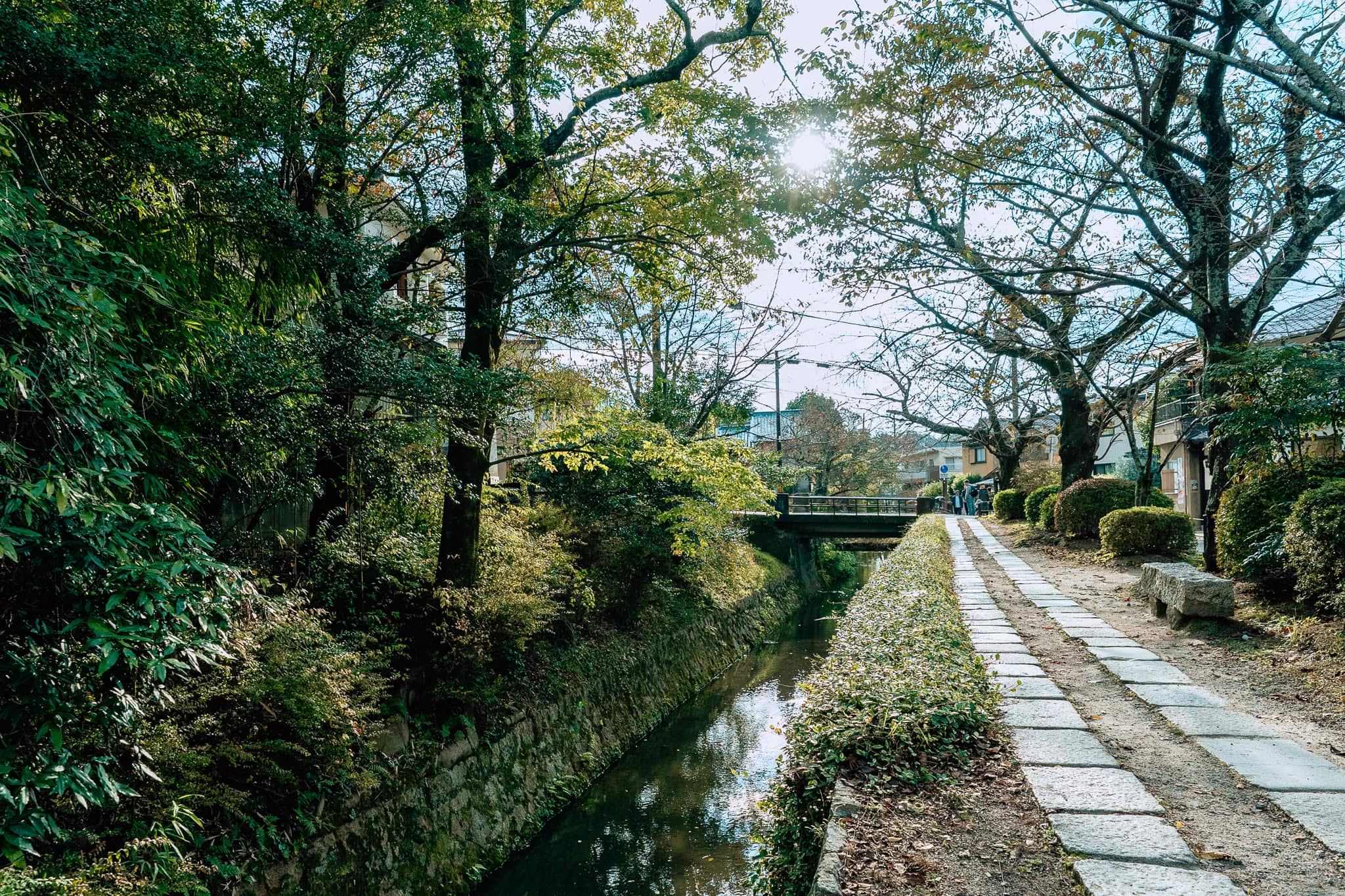
This is also home to the Philosopher’s Path, a scenic canal-lined walking route filled with cherry trees, little shrines, and occasional cafes. You’ll find fewer crowds here compared to Southern Higashiyama.
Pros: It’s a calm and peaceful neighborhood, perfect for slow mornings and quiet afternoons. The Philosopher’s Path runs through here, and you’re close to several of the underrated temples. If you want a slower, less tourist-heavy stay, this is your spot.
Cons: You’ll need more time to get in and out of this area. It’s not as central as other neighborhoods, so visiting places like Arashiyama or Kyoto Station will take longer.
Where to Stay in Northern Higashiyama
These hotel picks reflect the calm and quiet nature of this area, with elegant touches and scenic backdrops perfect for slowing down.
📍Fufu Kyoto ($$$$): Best for peaceful elegance and a luxury stay with in-room onsen
📍Hotel Okura Kyoto Okazaki Bettei ($$$): Simple elegance with refined, traditional touches
📍Hotel Legasta Kyoto Higashiyama Sanjo ($$): Best for a modern boutique-style stay at a fair price
Things to Do in Northern Higashiyama
This is the hidden side of city. Perfect for those who love a good walk, seasonal scenery, and low-key temple visits.
Philosopher’s Path: A peaceful, tree-lined path following a canal between Ginkakuji and Nanzenji. Named after Nishida Kitaro, a Kyoto University philosopher who used it for his daily walks.
It’s especially beautiful during cherry blossom season. We’ve visited in other seasons too, it just doesn’t look like anything close to the cherry blossom season.
Ginkakuji (Silver Pavilion): This temple might not be as flashy as its brother Kinkakuji (the golden one), but it’s just as beautiful. It has a calm moss garden, peaceful temple grounds, and a striking white sand sculpture in the center.
Nanzenji Temple: One of the most important Zen temples in Japan. The temple grounds are free to enter, and the highlight is the giant red-brick aqueduct that cuts across the temple complex. It’s a great photo spot and feels like a hidden little world tucked into the base of the hills.
6. Arashiyama
If Arashiyama is going to be the highlight of your Kyoto trip, then staying in this area is your best choice.
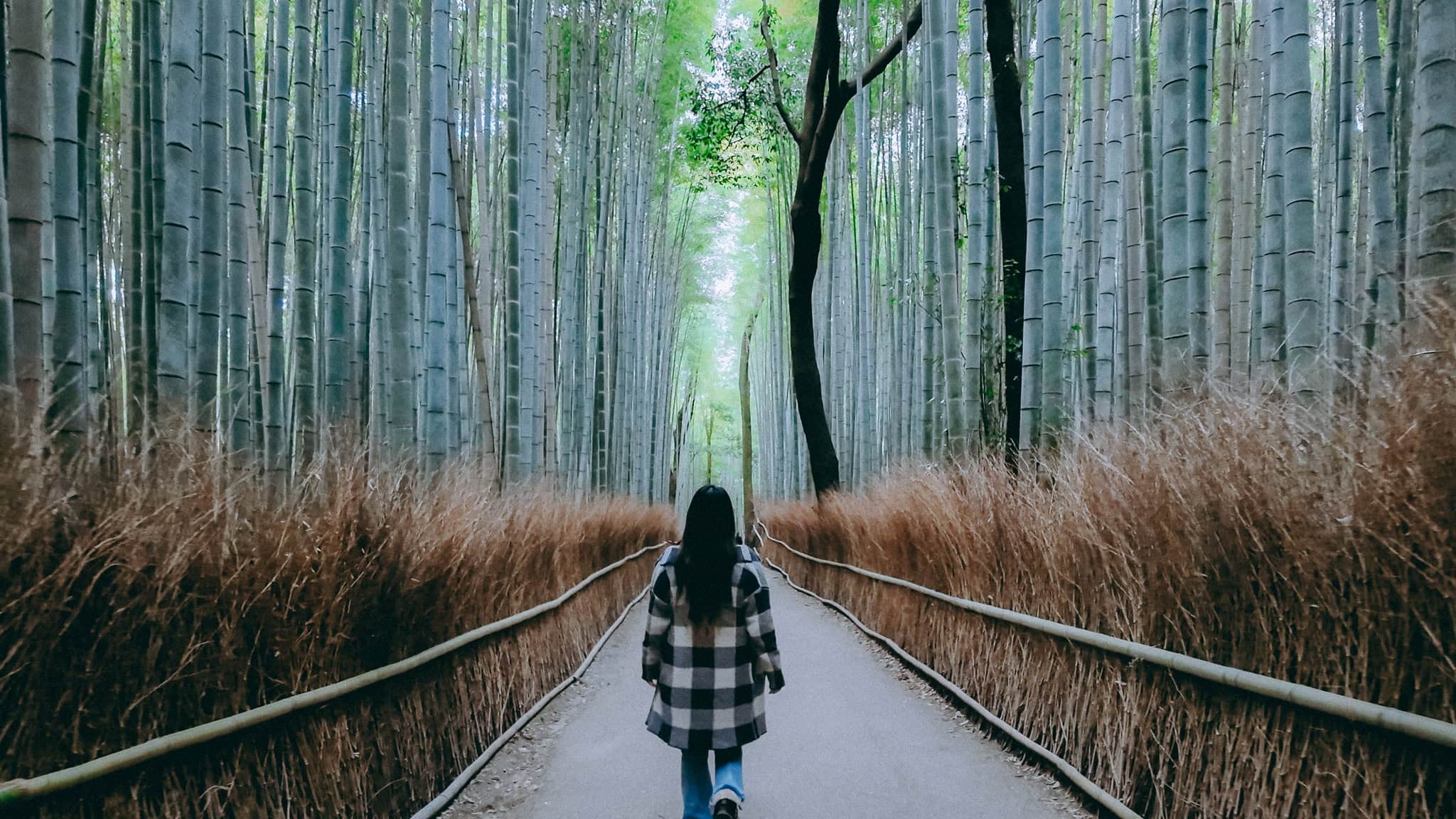
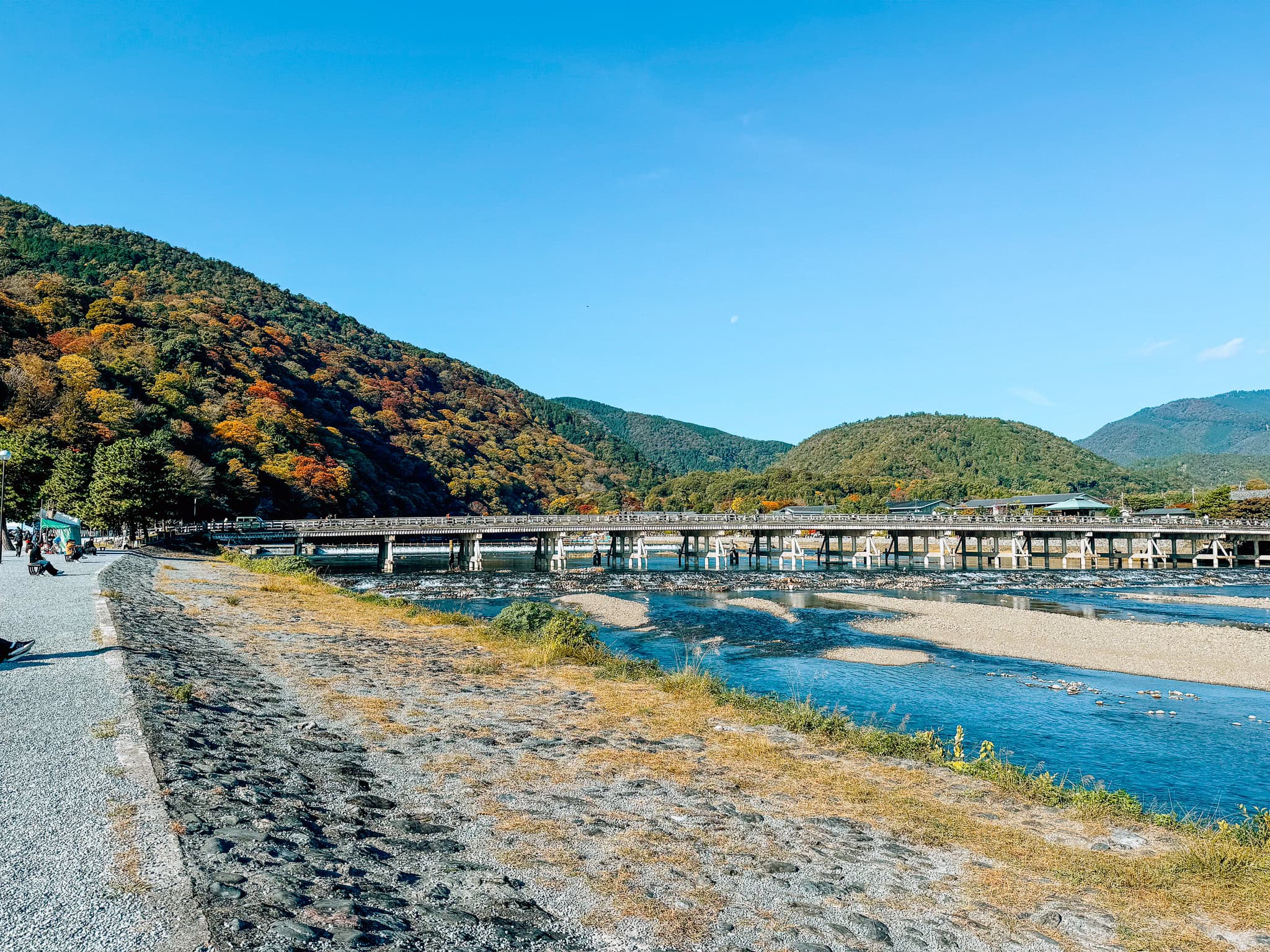
This western district is full of nature, traditional temples, and quiet riverside views. It feels like its own little world, separate from the city, with the famous bamboo forest and monkeys instead of department stores and crowds.
Arashiyama is ideal if you want a stay that’s closer to the nature, with easy access to iconic sights like the bamboo forest and river cruises.
Staying here means you can explore popular spots early in the morning or after sunset, when the day trippers are gone and the whole place feels serene.
Pros: Beautiful scenery and slow travel. You’ll have the bamboo forest, riverside walks, and hilltop temples almost to yourself if you wake up early. It’s peaceful, photogenic, and feels like a mini retreat from Kyoto’s busier districts.
Cons: It’s far from the rest of the city. If you plan to hit multiple neighborhoods in one day, this area isn’t the most convenient. Travel times into central or downtown area can be long, especially if you’re relying on public transportation.
Where to Stay in Arashiyama
These hotels take advantage of the beauty of the area, offering nature views, riverside quiet, and even private onsen if you want that extra level of relaxation.
📍Suiran, a Luxury Collection Hotel, Kyoto ($$$$): Riverfront luxury with an in-room onsen and historic surroundings
📍Rangetsu Ryokan ($$$$): Traditional riverside ryokan with a cozy and calm vibe
📍The GrandWest Arashiyama ($$): Boutique-style hotel in the heart of Arashiyama, great for families or longer stays
For the full guide on where to stay in Arashiyama, here’s our guide.
Things to Do in Arashiyama
This area is all about slowing down, taking in the natural beauty, and letting the city’s quieter side really sink in. It does get crowded during the day when touring groups roll in, but staying here mean you get to enjoy the early morning and late night views when day-trip tourists are gone.
Arashiyama Bamboo Forest: The classic spot. Walk through towering bamboo stalks that feel like something out of a dream. Go very early for fewer crowds and better light.
Tenryuji Temple: One of the most important Zen temples, located right before the bamboo forest. Don’t skip the garden. It is especially beautiful in autumn. Their vegetarian restaurant also serves peaceful, simple meals.
Arashiyama Monkey Park Iwatayama: A hike up the hill brings you to a monkey park with sweeping views over the city. It’s a fun climb and worth it for the panorama and monkeys hanging out freely.
Adashino Nenbutsuji Temple: Hiding deeper into Arashiyama, this small temple features over 8,000 stone statues and a less-crowded bamboo grove out back. One of the area’s most serene hidden gems.
Where to Stay in Kyoto on a Tight Budget
If all you need is a clean place to sleep, a decent shower, and easy access to the city, these budget hotels get the job done. They’re simple, safe, and put you in great locations so you can spend your money on actual experiences.
📍Karasuma Kyoto Hotel ($): Best for affordability and walkability in the heart of downtown Kyoto
📍Asai Kyoto Shijo Hotel ($): Best for easy access tot the main highlights without breaking the bank
📍Miyako City Kintetsu Kyoto Station ($): Best for a quick stay right next to Kyoto Station, ideal for day trips or early departures
Where to Stay in Kyoto for First-Time Visitors
If it’s your first time in this city, you’ll want to stay somewhere that’s easy to get around, close to public transportation, and puts you near the top sights. These hotels make the logistics easy and the experience feel effortless.
📍Hotel Granvia Kyoto ($$): Direct access to Kyoto Station makes this one of the most convenient places to stay, especially if you’re arriving by shinkansen or planning day trips
📍Four Seasons Kyoto ($$$$): Classic five-star comfort with peaceful gardens and a quiet location near Southern Higashiyama’s best sights
📍Garrya Nijo Castle Kyoto ($$$): Great for first-timers who want boutique luxury with castle views and direct subway access

Where to Stay in Kyoto for Solo Travelers
Traveling solo in Kyoto? You’ll want somewhere safe, central, and easy to get around.
📍The Thousand Kyoto ($$): Just a 4-minute walk from Kyoto Station, this sleek and modern hotel is perfect if you’re prioritizing convenience and comfort
📍Gion Elite Terrace ($$): A peaceful wellness retreat with in-room saunas, right in the heart of the historic Gion district
📍Kyoto Brighton Hotel ($$): A quiet, relaxing option with spacious rooms and easy access to Central Kyoto’s highlights
FAQ About Places to Stay in Kyoto
Here are some of the most common questions we get from readers planning their Kyoto stay.
How do you get around Kyoto?
It is super walkable but also has a solid public transportation network.
The Kyoto City Bus & Subway Pass is great for sightseeing. It costs 1,100 yen for adults and gives you unlimited rides for the day. Perfect for hitting top spots like Kinkakuji or Kiyomizu-dera, especially if you’re not near a subway line.
If you’ve already got an IC card (like Suica or Pasmo), those work here too. They’re super convenient for subways, buses, and even vending machines.
And if you like biking, it is a great city to explore on two wheels. There are plenty of rental shops, and paths like the Philosopher’s Path or the riverside trails are ideal for a slower, scenic ride.
How crowded is Kyoto?
Very crowded. Especially during cherry blossom season in spring and foliage season in autumn.
It’s definitely not the quiet Kyoto we first saw in 2013, and the city’s overtourism issue is a hot topic right now.
Expect packed streets around the most famous spots like Gion, Arashiyama, and Fushimi Inari. If you want a more peaceful experience, stay near the highlight of your trip and go early, sunrise early. That’s when Kyoto is at its calmest and most beautiful.
What’s the best time to visit the top attractions?
Sunrise is your best friend. Famous spots like Kiyomizu-dera, Gion, and the bamboo forest are almost empty first thing in the morning. Late evening can also be nice for certain places, like Yasaka Shrine or Gion, but mornings are when the crowds haven’t arrived yet and the light is beautiful.
What is the Kyoto City Accommodation Tax?
There’s a small tax applied to any overnight stay in Kyoto, called the city accommodation tax. It ranges from 200 yen and up per person, per night depending on your room rate. Most hotels will charge this at check-in or add it to your booking total. Just something to keep in mind when budgeting.
Conclusion
We’ve visited and stayed in this city many times over the years. From cheap last-minute rooms to peaceful ryokan stays with private onsens, every trip feels different depending on where we base ourselves.
If you’re short on time, stay near Kyoto Station or Downtown for easy access to trains, shops, and food. If you’re here for temples and culture, Southern Higashiyama is where you’ll probably spend most of your time. And if you want that quiet, slowed-down vibe, areas like Northern Higashiyama or Arashiyama give you space to breathe.
Kyoto really has something for every travel style. Hope this guide helped you figure out where to stay and made your planning just a little easier.
You must be logged in to post a comment.