
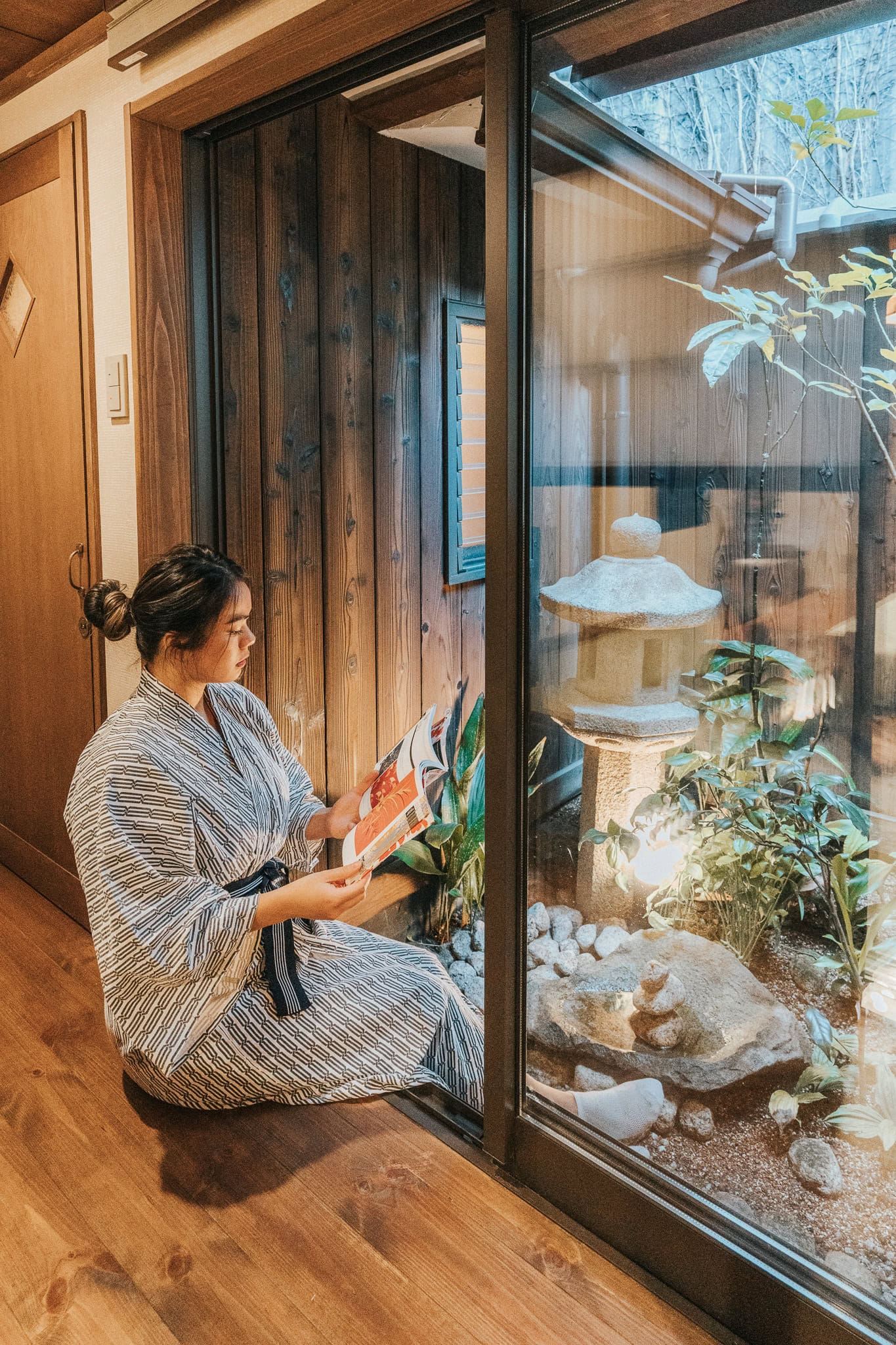
Should You Stay in a Machiya in Kyoto? Our Honest Kyoisuke Inn Review
If you’re planning a trip to Kyoto, you’re probably drawn to its traditional culture, wooden townhouses lining quiet streets, and that slower, more intentional pace of life.
Those wooden homes are one of the most iconic parts of Kyoto’s architecture. Known as machiya, these traditional Japanese townhouses have shaped the city for centuries.
Staying in a Kyo-Machiya had been on our Kyoto wish list for a long time. We’ve stayed in hotels and ryokan all across Japan, but living inside a traditional townhouse felt like a completely different kind of experience.
So on this trip, we finally did it. We stayed at Kyoisuke Inn, and this is our honest review. What staying in a machiya in Kyoto is really like, who it’s best for, and whether it’s actually worth choosing over a standard Kyoto hotel.
Plan your trip with our favorite resources
Where to Stay in Japan: check best deals
Transport & activities: klook.com (save up to 10% with code DANAYAO)
eSIM for Japan: stay connected with Airalo
What is a Machiya?
A machiya is a traditional Japanese townhouse that has been part of daily life in cities like Kyoto for centuries. These homes were originally built for merchants and craftsmen, designed to function as both living spaces and places of business.
In Kyoto, you’ll often hear the term Kyo-Machiya, which refers specifically to Kyoto-style machiya.
They’re easy to recognize once you know what to look for: narrow street-facing entrances, long layouts that stretch deep into the block, and carefully designed interiors that balance light, privacy, and airflow.
Inside a machiya, you’ll usually find tatami mat floors, sliding shoji doors, exposed wooden beams, and a small inner garden.
Today, many machiya have been carefully restored and repurposed into guesthouses. The goal is preservation without freezing them in time. When done well, they offer modern comfort while still letting you experience how people have lived in Kyoto for generations.
That’s what makes staying in a machiya feel different from a hotel. You’re not just sleeping in Kyoto. You’re living inside a piece of its history, even if just for a few nights.
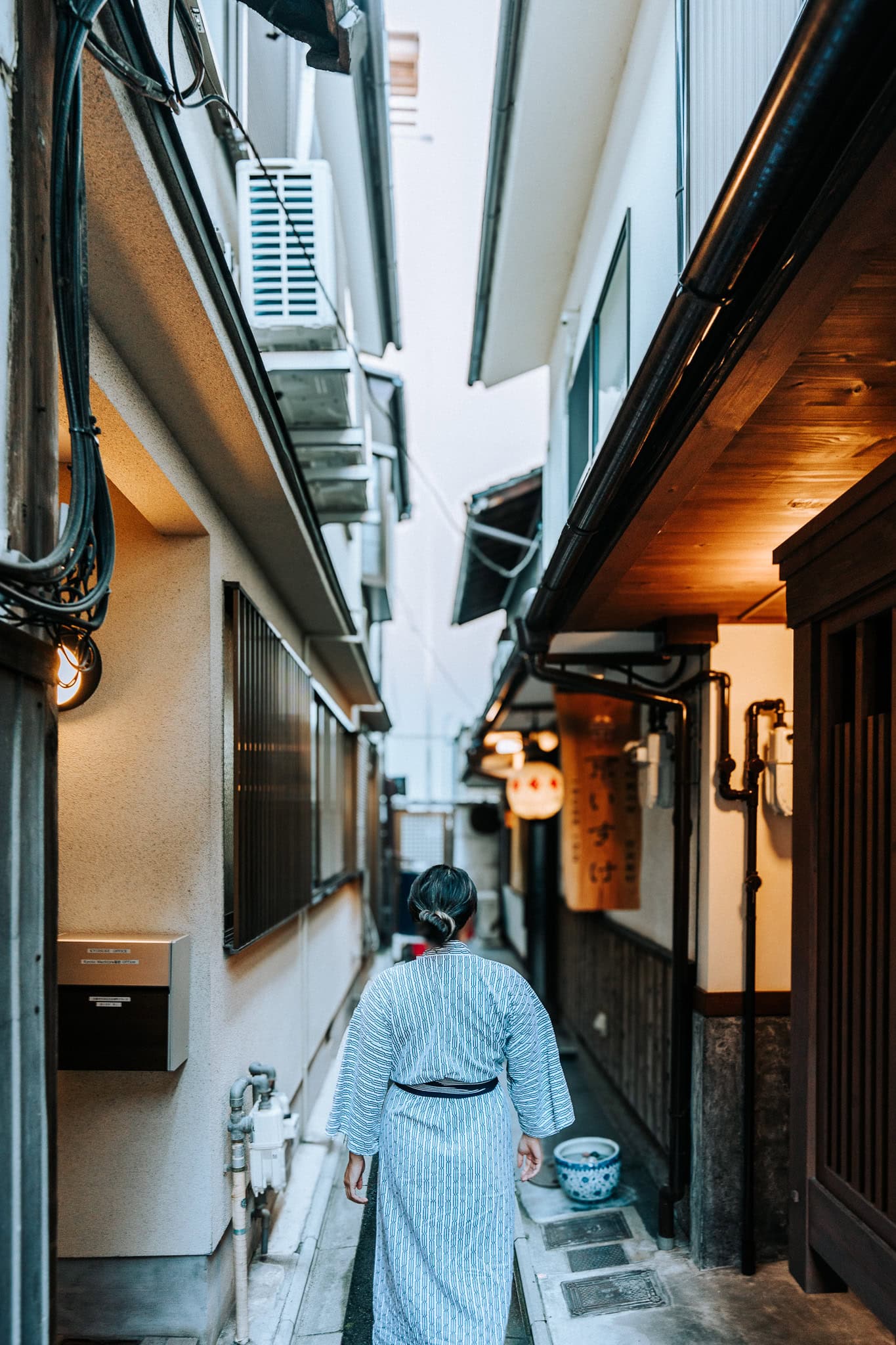
Why You Should Stay in a Machiya When Visiting Kyoto
If you’re drawn to Kyoto for its traditional side, staying in a machiya lets you experience that atmosphere beyond sightseeing. Instead of just walking past wooden townhouses during the day, you actually get to live inside one.
Machiya are quiet, intentionally designed spaces that naturally slow you down. The layout, the tatami floors, the sliding doors, and the inner garden all create a sense of calm that feels very different from modern accommodations. Even in the middle of the city, a machiya feels removed from the noise.
It’s not about luxury in the hotel sense. It’s about experiencing Kyoto in a way that feels rooted in how people have lived here for generations.
Who a Machiya Stay Is Best For
A machiya stay works especially well families or groups, since most machiya are rented as an entire house. You usually get multiple rooms, separate living areas, and space to spread out, which is hard to find in standard Kyoto hotels.
It’s also ideal for travelers who are specifically looking for a traditional Kyoto stay. If sleeping on tatami, moving through sliding doors, and spending time in a quiet, home-like setting sounds appealing, a machiya is a perfect fit for that travel style.

Is a Machiya Better Than a Hotel in Kyoto?
The biggest difference between a machiya and a hotel is the feeling of privacy and place.
In a hotel, you’re sharing the experience with dozens or hundreds of other guests. In a machiya, the space is entirely yours. No front desk traffic, no hallways, no elevator waits. It feels more like coming home than checking in.
Hotels are convenient and predictable. Machiya are more immersive and experiential. They offer character, history, and a sense of connection to Kyoto that’s hard to replicate in a modern building.
If your priority is efficiency, a hotel may be the better fit. But if you’re traveling to Kyoto specifically for its culture, architecture, and atmosphere, staying in a machiya adds another layer to the experience that goes beyond where you sleep.
Looking for other cool places to stay? Here’s our comprehensive Kyoto hotel guide.
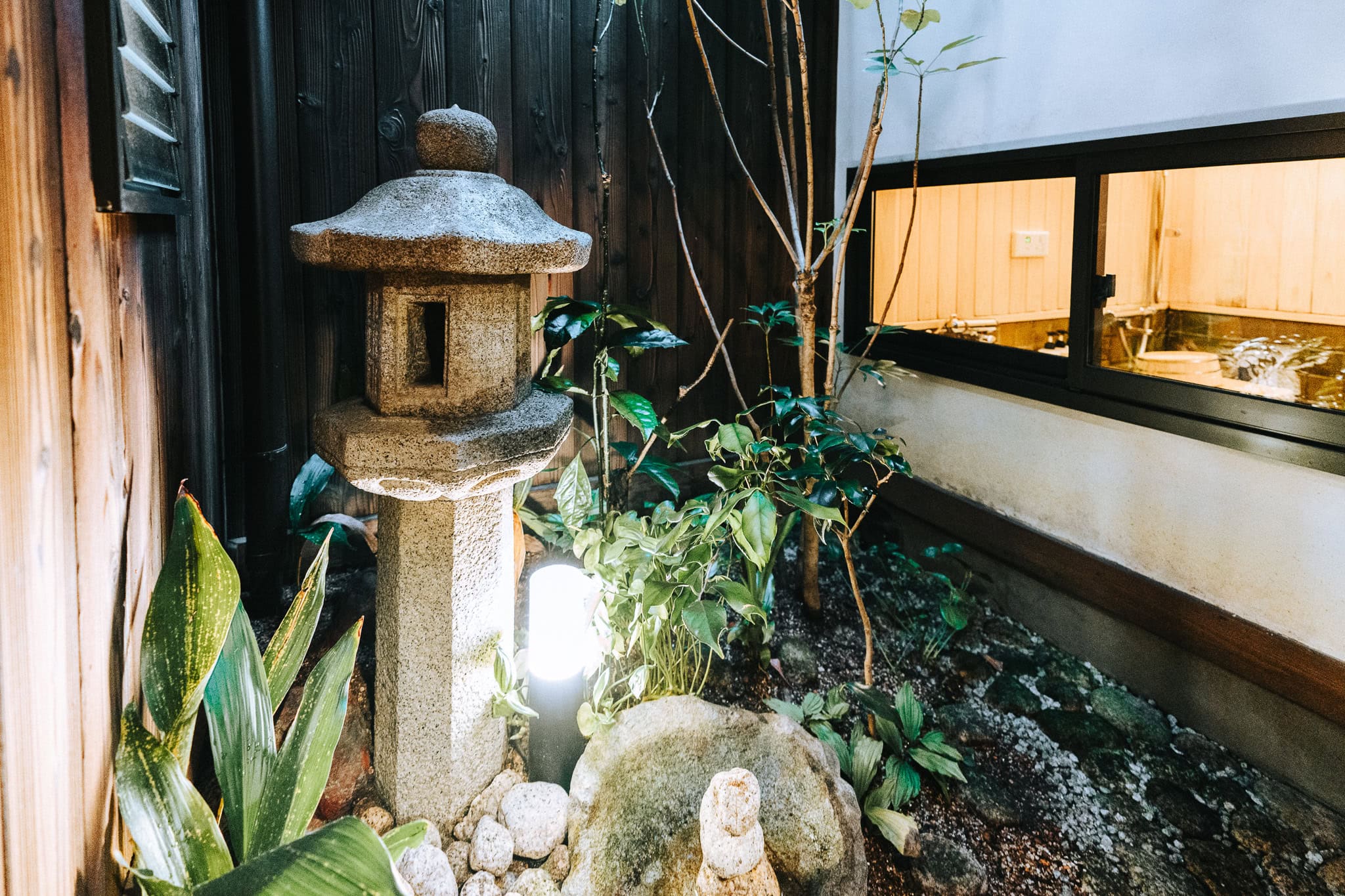
About Kyoisuke Inn in Kyoto
On this trip to Kyoto, we knew we wanted to try staying in a machiya. Not just any traditional stay, but one that felt authentic while still being practical for actually exploring the city. Location mattered, comfort mattered, and we didn’t want something that felt overly staged or inconvenient.
That’s how we landed on Kyoisuke Inn. It almost checked all the boxes.
Kyoisuke Inn offers restored machiya that are over 100 years old, carefully renovated to preserve their original character while still being comfortable for modern travelers. You’re not booking a room here. You’re renting the entire machiya, which immediately changes how the stay feels.
Each house can accommodate up to six or seven guests, making it a great option for families or small groups who would otherwise need multiple hotel rooms. Even as a couple, having that extra space made the stay feel relaxed rather than cramped, which is not something you can always say in Kyoto.
Kyoisuke Inn currently offers three different machiya styles, each with its own personality:
- Traditional Machiya, for a classic Kyoto townhouse experience
- Taisho Modern, inspired by early 20th-century Japanese design
- Japanese Modern, a more minimalist take with subtle contemporary touches
We stayed at the Hokomachi Machiya, which leans fully into the traditional Kyo-Machiya style. Tatami rooms, sliding doors, exposed wooden details, and a small garden all work together to create a space that feels calm and grounded.
If you’re looking for a stay that feels personal, quiet, and deeply connected to Kyoto’s traditional side, Kyoisuke Inn is exactly that.

Honest Review: Our Stay at Kyoisuke Inn Kyoto
From the moment we arrived, the experience at Kyoisuke Inn felt thoughtful and intentional. Instead of a standard front desk check-in, we were welcomed into the machiya itself, which immediately set the tone for the stay.
A Warm Check-In and Traditional Tea Ceremony
One of the most memorable parts of our stay was the check-in process, which included a private tea ceremony. It felt calm, personal, and genuinely welcoming.
The ceremony took place in our main tatami room, where the staff walked us through the process of preparing matcha. We learned how the tea is whisked, how the bowl is turned before drinking, and why each small step matters. After the demonstration, we were invited to try making the tea ourselves, with gentle guidance along the way.
To balance the slightly bitter matcha, we were served wagashi, traditional Japanese sweets. Sitting on the tatami, sipping tea, and easing into the space made the transition from travel mode to Kyoto mode feel seamless.
The fact that this tea ceremony was complimentary made it even more special. It wasn’t treated as an upsell or an add-on. It felt like Kyoisuke’s way of welcoming guests into both the home and Kyoto’s traditions.

Luxurious Amenities with a Traditional Touch
What makes Kyoisuke Inn stand out is how seamlessly it blends traditional design with modern comfort. You never feel like you’re sacrificing convenience for authenticity. Everything feels intentionally balanced.
Private Open-Air Wooden Bath
The open-air wooden bath on the second floor was one of our favorite parts of the stay. After long days of walking around Kyoto, soaking in the warm water felt incredibly restorative.
The scent of the wood, the quiet atmosphere, and the view of the small green space made it feel more like a private onsen experience than a typical bath. It was peaceful, private, and surprisingly easy to use, even if you’re new to Japanese-style bathing.

Private Garden
The garden may be compact, but it adds to the space. You can see it from multiple rooms, and it quietly anchors the house with a sense of calm.
Whether we were enjoying it from the tatami room or catching a glimpse from the first floor bathroom, the garden helped soften the space and bring nature into the home. It’s one of those small details that makes a machiya feel alive rather than decorative.
Tatami Rooms and Sleeping Setup
The tatami rooms were bright, simple, and incredibly calming. During the day, the rooms felt open and flexible. At night, the prepared futons make the space a cozy sleeping area.
If you’ve never slept on tatami before, this is a great introduction. The futons were comfortable, and the experience felt authentic without being intimidating.
If futons aren’t your thing, some machiya also offer Western-style beds, which makes the stay more accessible for different preferences.

Modern Amenities
Despite being over 100 years old, the machiya is fully equipped for modern travel. These weren’t extras. They were genuinely useful.
- A fully stocked kitchen with a microwave, toaster, and kettle;
- Washer and dryer for longer stays;
- Complimentary bottled water;
- Yukatas for lounging around the house
Everything worked great, and nothing felt like an afterthought. You get the charm of a traditional Japanese townhouse without giving up comfort.
In-House Dining: A Taste of Kyoto
One of the things we appreciated most about staying at Kyoisuke Inn was the option to enjoy meals inside the machiya itself.
After long days of exploring Kyoto, not having to rush out for dinner felt like a luxury in its own way.
Meals are offered as an add-on, with the choice between traditional Japanese cuisine or a Western-style meal for both breakfast and dinner. Everything is prepared with care and delivered directly to the house.
During our stay, we tried both the traditional Japanese and Western-style meals for dinner and breakfast, which made it easy to compare and see what might suit different travel styles.

Traditional Japanese Meal
The traditional Japanese meal was a multi-course experience that highlighted seasonal ingredients and classic Kyoto flavors. Each dish was beautifully presented and thoughtfully paced, giving us a chance to slow down and actually enjoy the meal.
Expect items like sashimi, tempura, tofu dishes, and a variety of small seasonal sides. It was the kind of meal that feels nourishing rather than indulgent, and very much in line with Kyoto’s food culture.
Western-Style Meal
For travelers who prefer something familiar, the Western-style option is also well done. It included a fresh salad, warm bread, a hearty main dish, and seasonal fruit to finish.
It’s a comfortable choice if you want something simple without sacrificing quality, especially after days filled with Japanese cuisine.
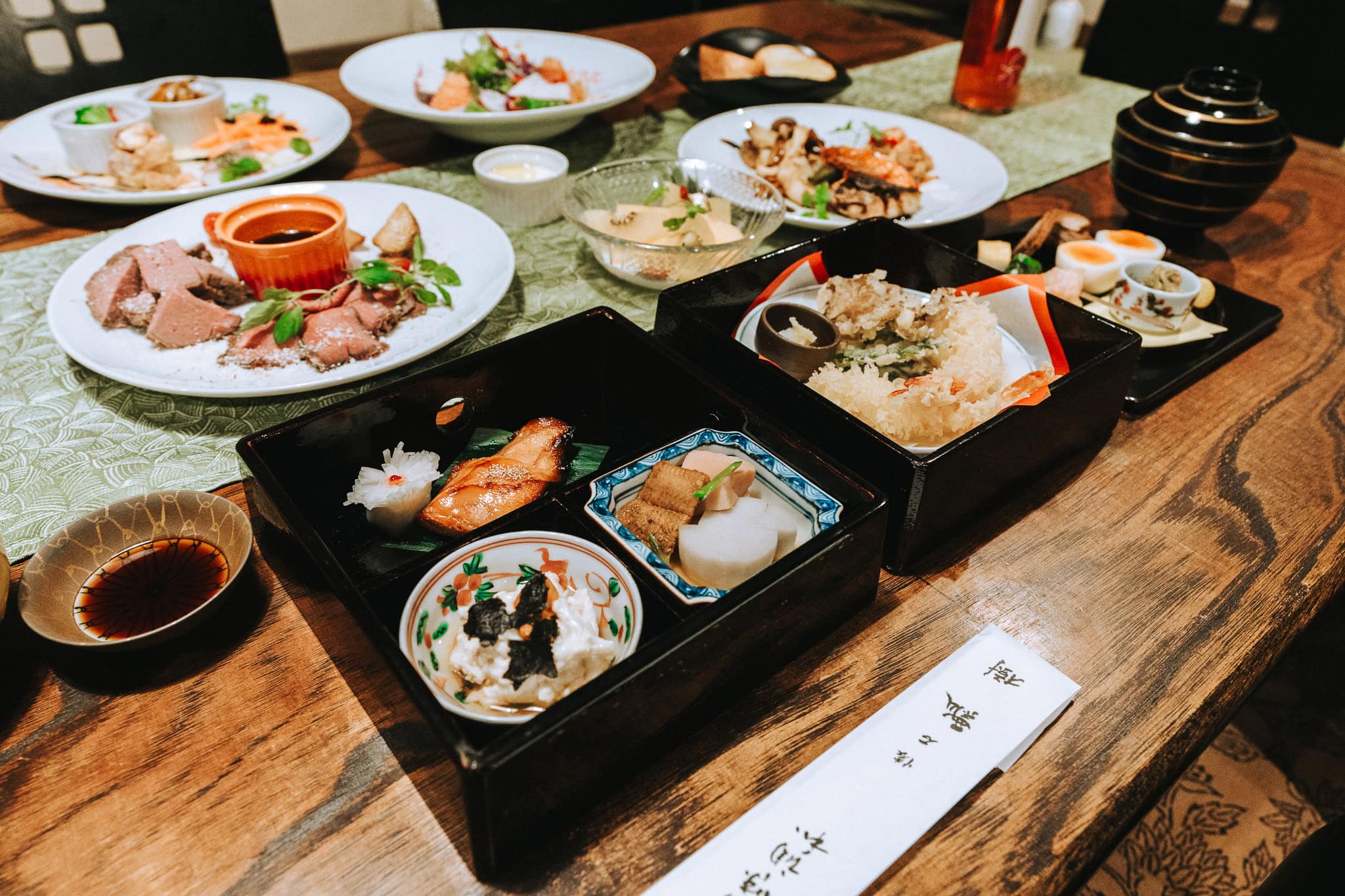
Why Kyoisuke Inn Stands Out
There are plenty of places to stay in Kyoto, but Kyoisuke Inn stands out for how intentionally it combines tradition, privacy, and comfort. It never feels like a themed stay or a watered-down version of a machiya.
Here’s what really made the difference for us:
A fully private Kyo-Machiya rental: You’re renting the entire house, not just a room. That means complete privacy and space to actually unwind.
Ideal for families and small groups: With multiple rooms and shared living space, it works far better than squeezing into separate hotel rooms.
Over 100 years of history, thoughtfully preserved: The house still feels lived-in and authentic, not overly polished or staged for tourists.
A complimentary tea ceremony: A quiet, meaningful introduction to Kyoto’s traditions that sets the tone for the stay.
Private baths with garden views: The open-air wooden bath added a spa-like moment to our evenings.
In-house dining options: The ability to enjoy both traditional Japanese and Western meals inside the machiya made the experience feel relaxed and seamless.
If you’re looking for a stay that feels connected to Kyoto’s traditional side while still being comfortable and practical, this is where Kyoisuke Inn really shines.

Things to Do in Kyoto Near Kyoisuke Inn
Become a Samurai for a Day: Dress in authentic samurai armor, learn basic sword techniques, and step into Kyoto’s warrior history. It’s beginner-friendly, fun for all ages, and the photos are a bonus.
Kyoto Night Tour With Geisha Insights: Explore the quiet evening streets of Gion while learning about geisha culture and traditions. A calm, atmospheric way to see a side of Kyoto many visitors miss.
Kyoto International Manga Museum: Home to the famous Wall of Manga with thousands of volumes you can actually read. A cozy, low-key stop that’s perfect for a short break or a slow afternoon.
Here’s our full things to do in Kyoto guide if you want more.

Conclusion
Staying at Kyoisuke Inn ended up being one of those decisions that quietly shaped our entire Kyoto trip. Instead of coming back to a hotel room each night, we returned to a space that felt calm, familiar, and deeply connected to the city around us.
If you’re traveling to Kyoto because you’re drawn to its traditional side, its architecture, and that slower rhythm of life, staying in a machiya makes everything feel more intentional. And if you’re traveling with family or a group, having the entire house to yourselves is something a standard hotel simply can’t replicate.
For us, Kyoisuke Inn became part of the memory of the trip itself. And if you’re deciding between a typical Kyoto hotel and something that feels more personal, this is the kind of stay that stays with you long after you leave.
You must be logged in to post a comment.