

Is the Tokyo Metro Pass Worth It? 8 Things to Know Before Buying
Tokyo is one of the easiest cities in the world to get around, thanks to its super efficient train system. But with so many lines, passes, and ticket types, it can feel overwhelming to figure out which option actually saves you money.
If you plan to ride the metro often, hate the hassle of buying individual tickets, or simply like the idea of unlimited rides, the Tokyo Metro Pass (Tokyo Subway Pass) is worth considering.
We have used it on every single Tokyo trip, and with a little planning, we always make our money back (and then some).
This guide breaks down everything you need to know about the Tokyo Metro Pass, how it works, what it covers, where to buy it, and whether it makes sense for your trip.
Plan your trip with our favorite resources
Where to Stay in Japan: check best deals
Transport & activities: klook.com (save up to 10% with code DANAYAO)
eSIM for Japan: stay connected with Airalo
Is the Tokyo Metro Pass Worth It?
In most cases, yes. The Tokyo Metro Pass saves you money and hassle if you are staying in Tokyo and exploring mainly within the city.
It gives you unlimited rides on both the Tokyo Metro and Toei Subway Lines, which means you can hop between Shinjuku, Shibuya, Asakusa, Ginza, and beyond without worrying about racking up fares.
It is worth it if: you plan to use the metro several times a day, want to save money compared to buying single tickets, or simply like the convenience of unlimited rides without having to calculate fares every time.
It won’t be worth it if: you are only in Tokyo for a short time, spend most of your days on JR Lines like the Yamanote, or already have an active JR Pass. It is also not worth it if you plan to rely mostly on taxis and are not concerned about savings.
The key is planning. On average, if you ride the metro 3 or more times in a day, the pass will pay for itself. Do the math against your itinerary, and if it adds up, the pass is 100 percent worth it.
How Does the Tokyo Metro Pass Work
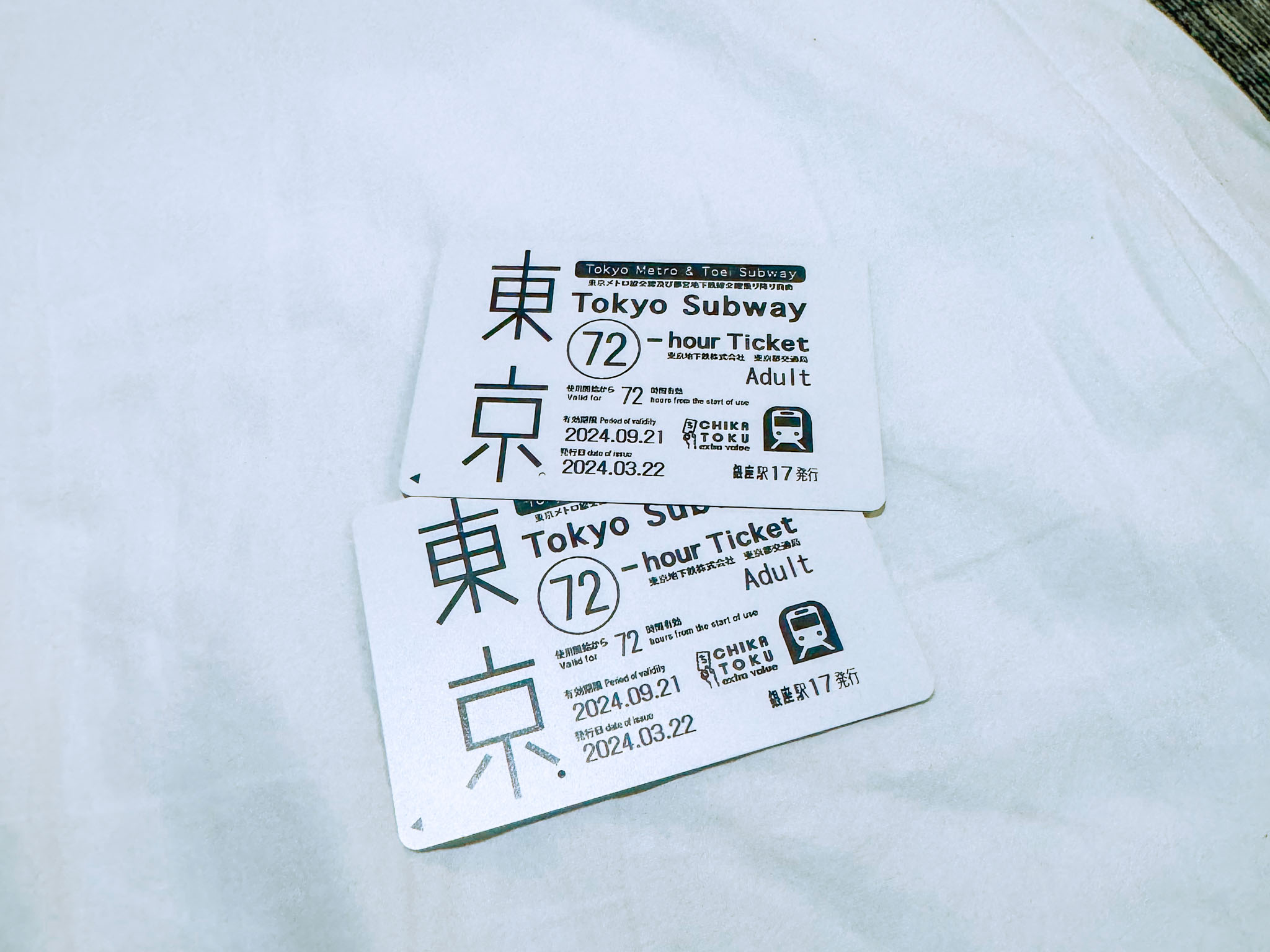
The Tokyo Metro Pass is simple: it gives you unlimited rides on both the Tokyo Metro and Toei Subway Lines for a set amount of time. You can choose a 24, 48, or 72-hour pass depending on how long you need it.
You can buy the pass online through sites like Klook (use code DANAYAO for any active promotions), or in person at designated stations, including both Haneda (HND) and Narita (NRT) airports.
If you buy online, you will receive a QR code. Scan it at a special ticket machine in Tokyo to get your physical pass. The machines are easy to spot, and will have English instructions.
The pass does not activate when you buy it. It activates the first time you use it at the ticket gate. From that moment, the clock starts ticking on your 24, 48, or 72 hours.
For example, if you first use a 48-hour pass at 11 a.m. on Tuesday, it will stay valid until 10:59 a.m. on Thursday.
Once activated, you use it just like a ticket: insert it into the slot at the ticket gate, walk through, and grab it again on the other side. No tapping required.
Discount Code: Use DANAYAO during checkout for up to 10% off!
Do You Actually Need a Tokyo Metro Pass?
There are a few more things to think about before you decide.
Cost savings: If your trip involves jumping around Tokyo several times a day, the pass quickly pays for itself. On the other hand, if you are only riding once or twice a day, single tickets or a Suica card may be cheaper.
Convenience: Not having to stop at ticket machines every ride is a huge time saver. You just insert your pass and go, which makes a difference if you are new to Tokyo’s transit system or do not want to mess with calculating fares.
Flexibility: The pass comes in 24, 48, and 72-hour versions, so you can match it to your itinerary. It is ideal if you are sightseeing heavily for a set number of days.
Coverage: The pass works on both Tokyo Metro and Toei Subway Lines, which take you to major neighborhoods like Shibuya, Shinjuku, Asakusa, and Ginza. But remember: it does not cover JR Lines like the Yamanote, which many travelers rely on.
Your travel style: If you love walking, you may not ride the subway enough to make the pass worth it. On the flip side, if you prefer convenience and unlimited rides, the peace of mind alone may justify the purchase.

8 Things to Know Before Buying a Tokyo Metro Pass
1. It only covers the Metro and Subway
Tokyo’s train system is huge, and this is where it can get confusing.
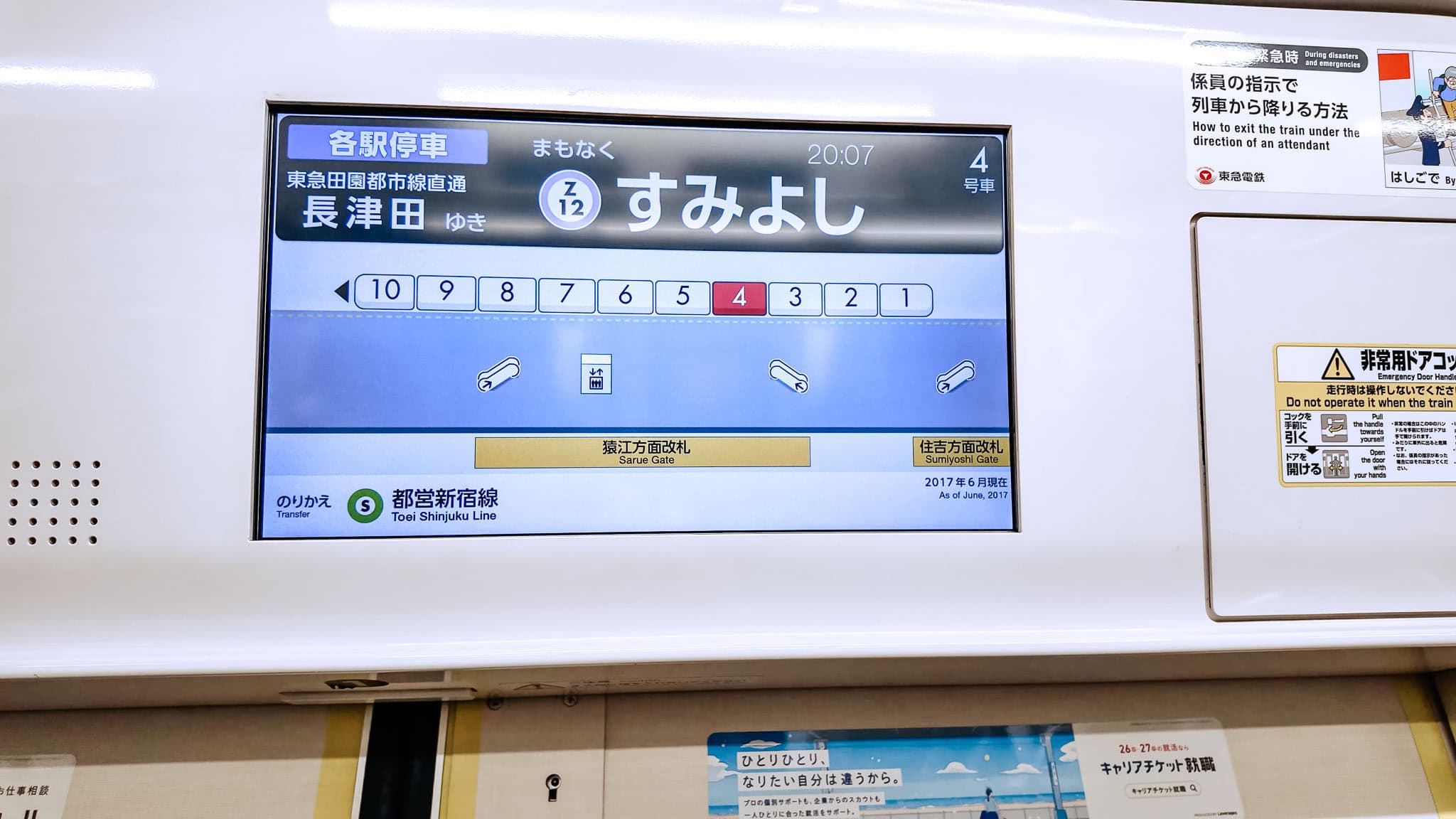
There are three main networks: Tokyo Metro, Toei Subway, and JR Lines, plus several smaller private lines. You can always tell which one you are on by the logos at the station entrance.
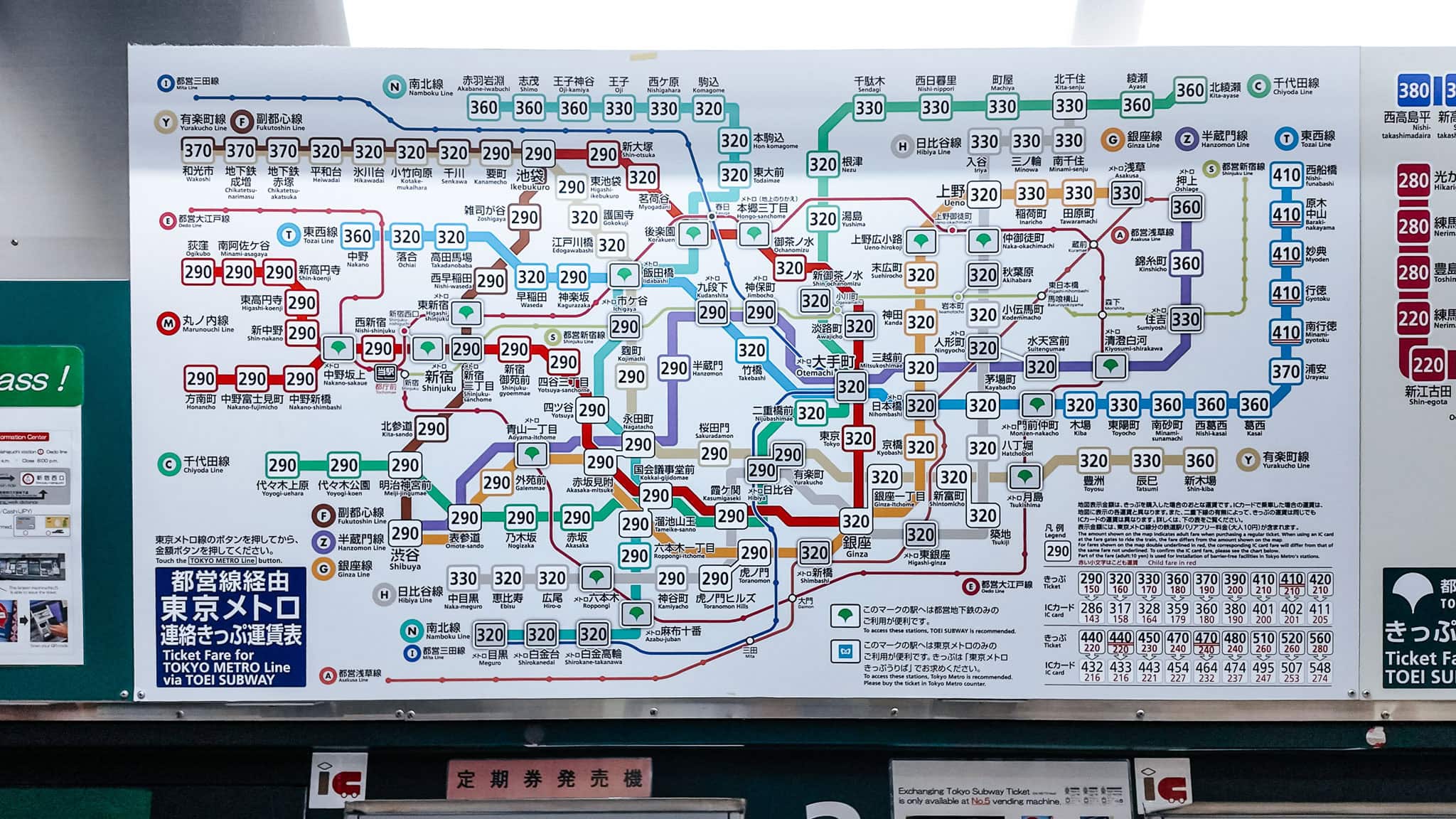
The Tokyo Metro Pass only works on Tokyo Metro and Toei Subway Lines. That’s 13 lines in total: nine Tokyo Metro lines (G, T, Z, M, C, N, H, Y, F) and four Toei Subway lines (A, I, E, S). Together, these lines cover a massive part of the city, including popular spots like Shibuya, Shinjuku, Ginza, and Asakusa.
But keep in mind, anything outside of those networks is not included. If you accidentally try to enter through a JR gate with the pass, it simply will not work.
2. It does not cover the Yamanote Line or any JR Lines
Again, this is the biggest catch.
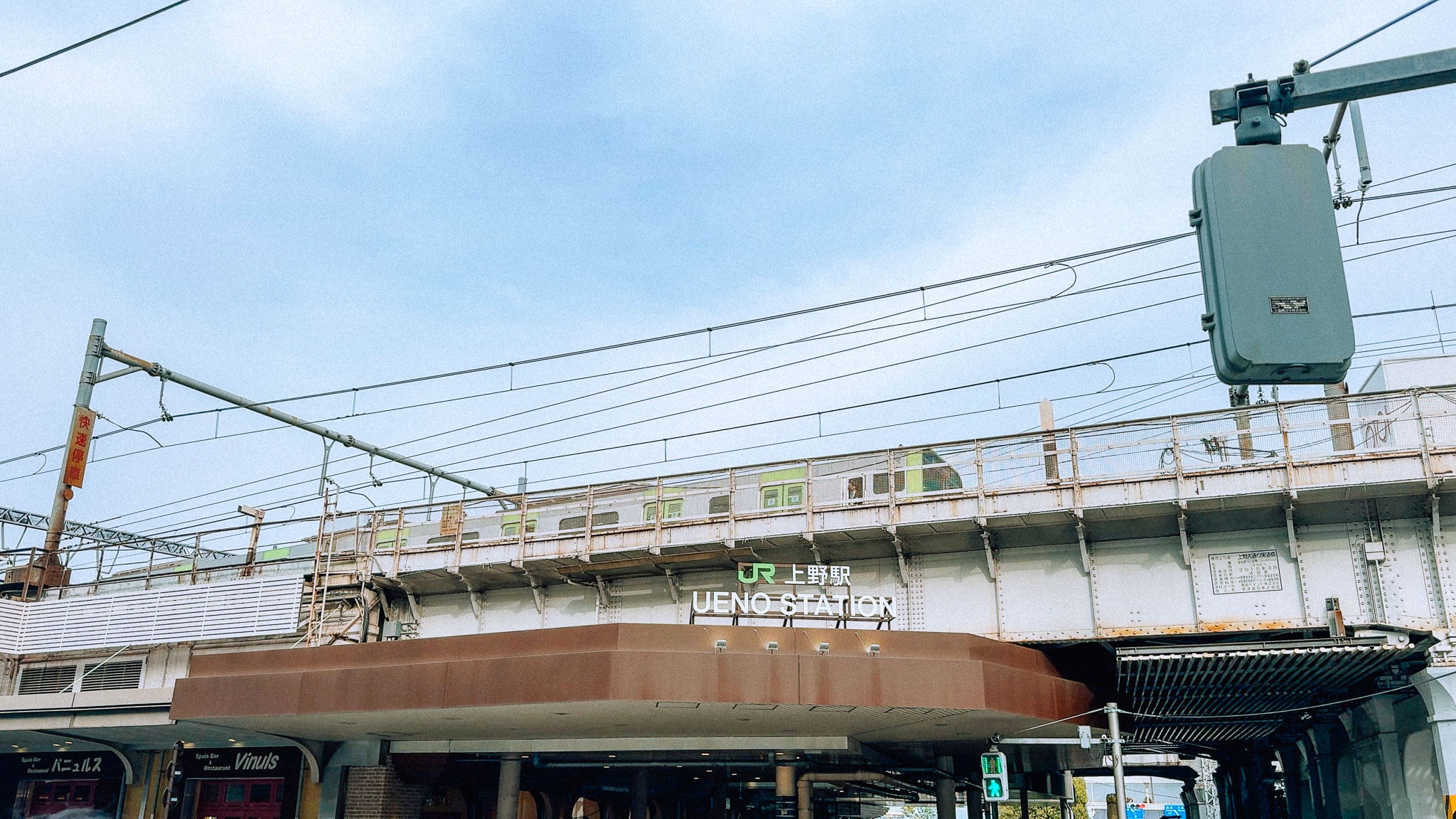
The Tokyo Metro Pass does not work on JR trains, which means you cannot use it for the Yamanote Line, Tokyo’s most famous loop line and arguably the most convenient line that connects places like Shibuya, Shinjuku, Harajuku, Ueno, and Ikebukuro in one go.
A lot of first-time visitors rely heavily on the Yamanote Line because it is straightforward and connects so many must-see neighborhoods. If your itinerary is built around riding JR, then the metro pass is not a good fit.
That said, the Tokyo Metro and Toei Subway networks still reach almost all of the same neighborhoods, just with slightly different routes.
With a little planning, you can still get everywhere you want using the pass. It just may mean skipping the convenience of the JR loop.
3. You can buy the pass in person and online
Getting the Tokyo Metro Pass is simple. You can get it both in person and online.
Online: If you like planning ahead, the easiest way is to buy it online through platforms like Klook.
Once you purchase, you will get a QR code that you scan at a designated ticket machine in Tokyo to generate the physical pass. The machines have English instructions, so the process is straightforward even if you do not speak Japanese.
In Person: you can also buy the pass in person. They are available at major stations and airports, including both Haneda and Narita. If you are the type who likes to sort things out on arrival, this option works too, but you may spend a little more time finding the right counter or machine.
Personally, I prefer buying it online. It is one less thing to worry about when you land, and it guarantees you will not waste time figuring it out after a long flight.
4. Three durations available: 24, 48, or 72 hours
There are 3 durations of the Tokyo Metro Pass you can choose from: 24 hours, 48 hours, or 72 hours. The best one for you depends on how long you are in Tokyo and how much you plan to use the subway each day.
The prices are straightforward:
- 24-hour pass: about ¥800 (around $5.35). Best if you only have a day in Tokyo or want to cover a lot of ground in a short time.
- 48-hour pass: about ¥1,200 (around $8.05). Ideal if you are spending a couple of full days in the city with a packed sightseeing schedule.
- 72-hour pass: about ¥1,500 (around $10.05). Best value if you are exploring Tokyo more deeply and want to hop around without worrying about costs adding up.
Children ages 6 to 11 can also get passes at half price, which is a solid deal if you are traveling as a family. Here’s our Tokyo Itinerary, and you can take a look to see how long you might want to spend in Tokyo before deciding which pass works best for you.

5. You need to redeem it at a special ticket machine
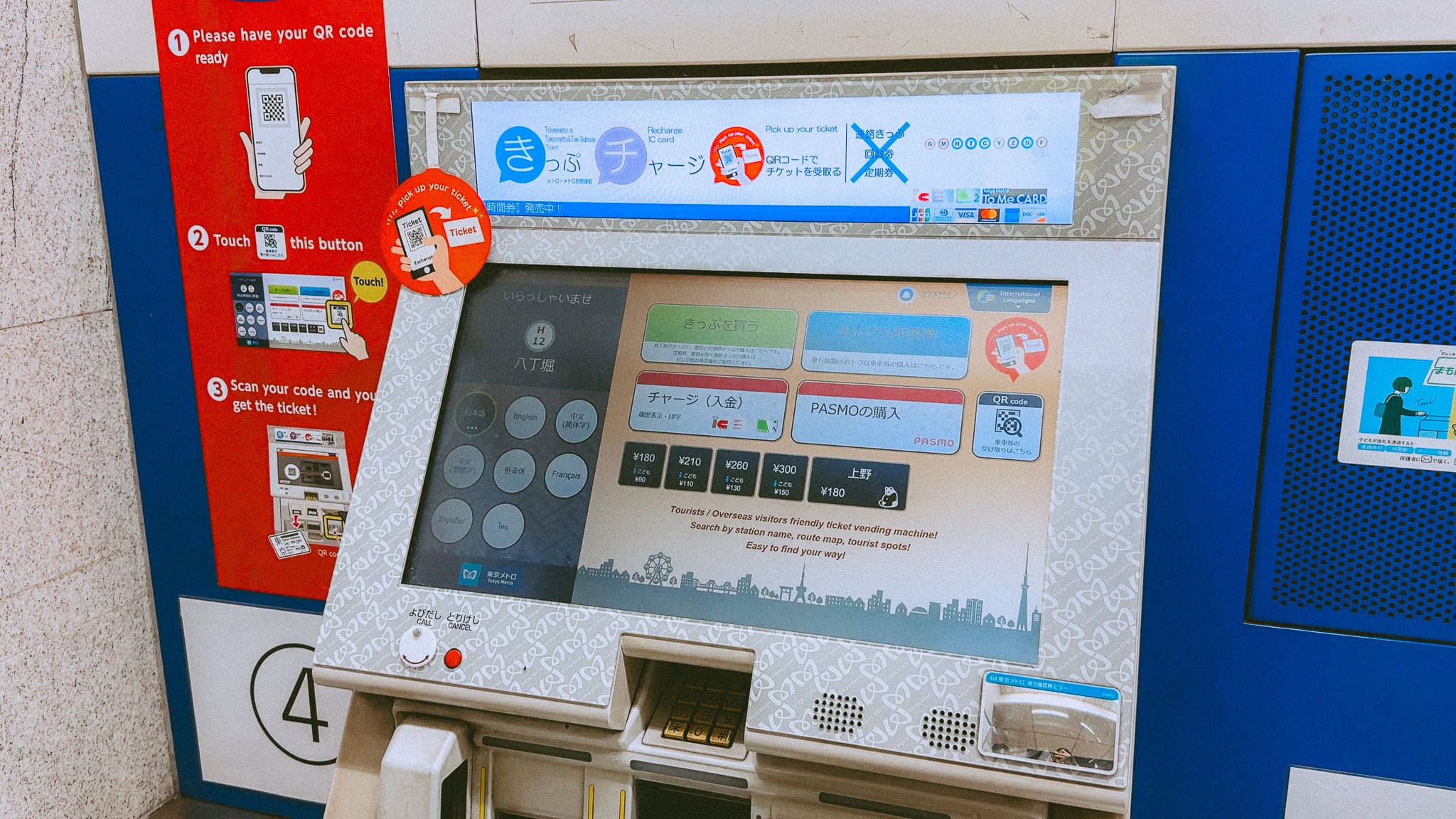
If you buy the Tokyo Metro Pass online through platforms like Klook, you will get a QR code. To turn that into the actual pass, you need to redeem it at a designated ticket vending machine in Tokyo.
Not every ticket machine has this function, especially at smaller stations, so you’ll need to look for the ones clearly marked for metro pass redemption.
They are usually located near specific exits in larger stations, and the machines have English language options, which makes the process easy even if you don’t read Japanese.
When you scan your QR code, the machine will print out the physical pass, which you then use at the ticket gates. Just remember that the pass only activates once you insert it at a gate for the first time, and the clock starts ticking from that moment.
6. It does not cover city buses
The Tokyo Metro Pass only works on Tokyo Metro and Toei Subway lines. It does not cover city buses, so if you plan to rely on them, you will need a different ticket.
The main alternatives are:
Toei 1-Day Pass (¥700): Covers unlimited rides on Toei buses and Toei subways. A good option if you are only traveling on Toei routes.
Tokyo Combination Ticket (¥1,600): Covers JR trains, Toei subways, and Toei buses. In reality, this is rarely worth it. For most travelers, the Metro Pass is simpler and a better deal.
If your trip is focused on Tokyo’s main attractions, the subway system will usually be enough. But if you know you’ll be hopping on buses a lot, you might want to compare the costs.
7. Where the Tokyo Metro Pass can and can’t take you
The Tokyo Metro Pass is great for reaching most of the city’s top neighborhoods and attractions. With it, you can easily get to Shinjuku, Shibuya, Asakusa, Ueno, Ginza, and Akihabara without paying extra. These areas alone could fill days of exploring with food, shopping, and sightseeing.
But there are some big-name spots the pass will not cover. Tokyo Disneyland and DisneySea require JR trains, not the subway.
The same goes for places like Odaiba’s Miraikan Museum, Kidzania Tokyo, and day-trip destinations such as Kawagoe. If those are on your list, you will need to buy separate tickets or look into other regional passes, like the Tobu Pass for Kawagoe.
So while the Metro Pass is perfect for city-based sightseeing, it is not a one-size-fits-all solution. If you plan to mix in a lot of out-of-town or JR-heavy attractions, you may want to rethink whether it is the best fit.
8. How to correctly use the Tokyo Metro Pass at the gates
Using the Tokyo Metro Pass is simple once you have it in hand.
Instead of tapping like you would with a Suica or Pasmo card, you insert the pass into the ticket gate slot like a regular ticket.
The machine will read it and then return the card to you on the other side. Do not forget to pick it up before walking through.
Every time you use the pass, the system checks that it is still within the valid 24, 48, or 72-hour window. The pass itself will show the expiration date and time, so you always know when it runs out.
It feels a little old school compared to tapping an IC card, but it works smoothly. Just keep the pass handy, since you’ll be sliding it in and out of the gates a lot during your trip.

FAQs About the Tokyo Metro Pass
What is the difference between the JR Pass and the Tokyo Metro Pass?
The JR Pass only covers JR-operated lines, like the Yamanote Line that circles central Tokyo. The Tokyo Metro Pass only covers Tokyo Metro and Toei Subway lines. These are completely separate networks run by different companies, so one pass will not cover the other.
Tokyo Metro Pass vs. Suica: which is better?
The Tokyo Metro Pass gives you unlimited subway rides for 24, 48, or 72 hours.
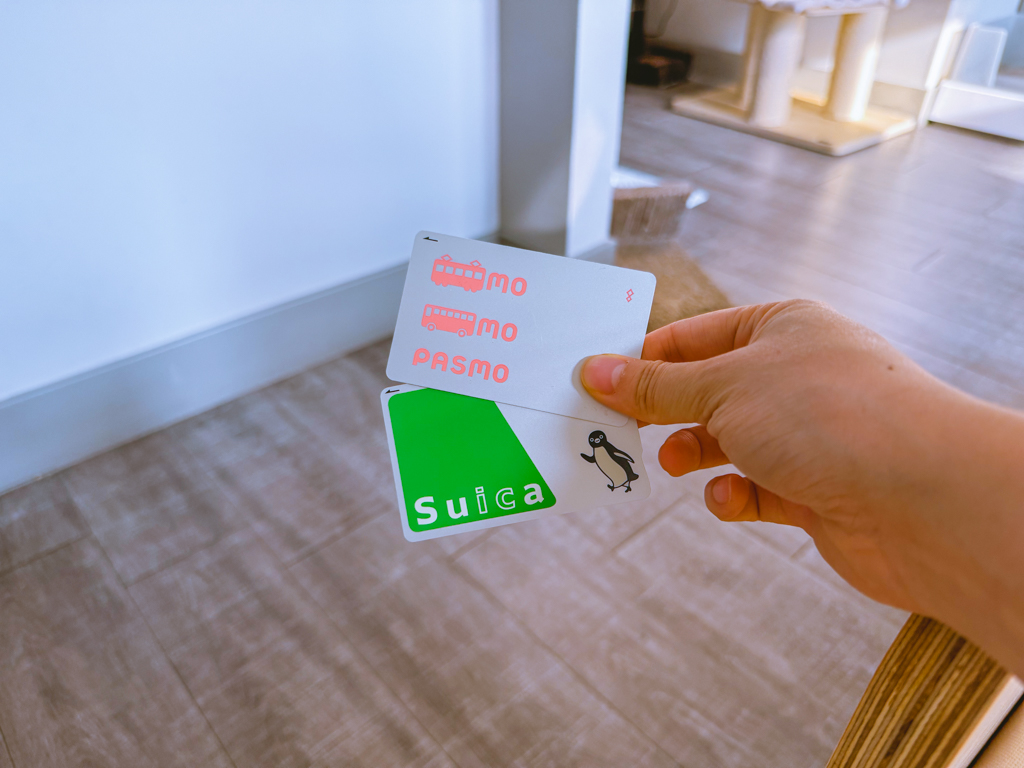
Suica is a prepaid IC card that you load with money and tap at the gates to pay per ride.
Suica works everywhere (trains, subways, buses, vending machines, convenience stores), but it does not give you unlimited rides. Think of Suica as convenience, and the Metro Pass as savings if you are riding a lot.
Does the Tokyo Metro Pass include the monorail?
No. The pass does not cover the Tokyo Monorail to Haneda Airport. If you want that, you’ll need a separate ticket or a JR Pass, which does include it.
Do other cities have similar subway passes?
Yes. Both Osaka and Kyoto have their own versions of metro or subway passes, and they are just as convenient.
For Osaka, we highly recommend the Osaka Amazing Pass, which gives you unlimited metro rides and access to over 40+ attractions.
In Kyoto, for example, the city metro and bus pass are combined into one, which makes it really useful for sightseeing.
Conclusion
The Tokyo Metro Pass is one of those travel tools that can either save you a lot or sit unused in your wallet. If your trip is focused on exploring Tokyo itself, it is almost always worth it. You get cost savings, the freedom to hop on and off trains without thinking about fares, and access to most of the city’s major neighborhoods.
It is not the right fit if you are planning lots of day trips outside the city or already have a JR Pass activated, but for city-based sightseeing, it makes Tokyo feel much easier to navigate.
We have used the pass every time we stayed in Tokyo and always made our money back with good planning. If that sounds like your kind of trip, it is definitely worth adding to your list.
You must be logged in to post a comment.