
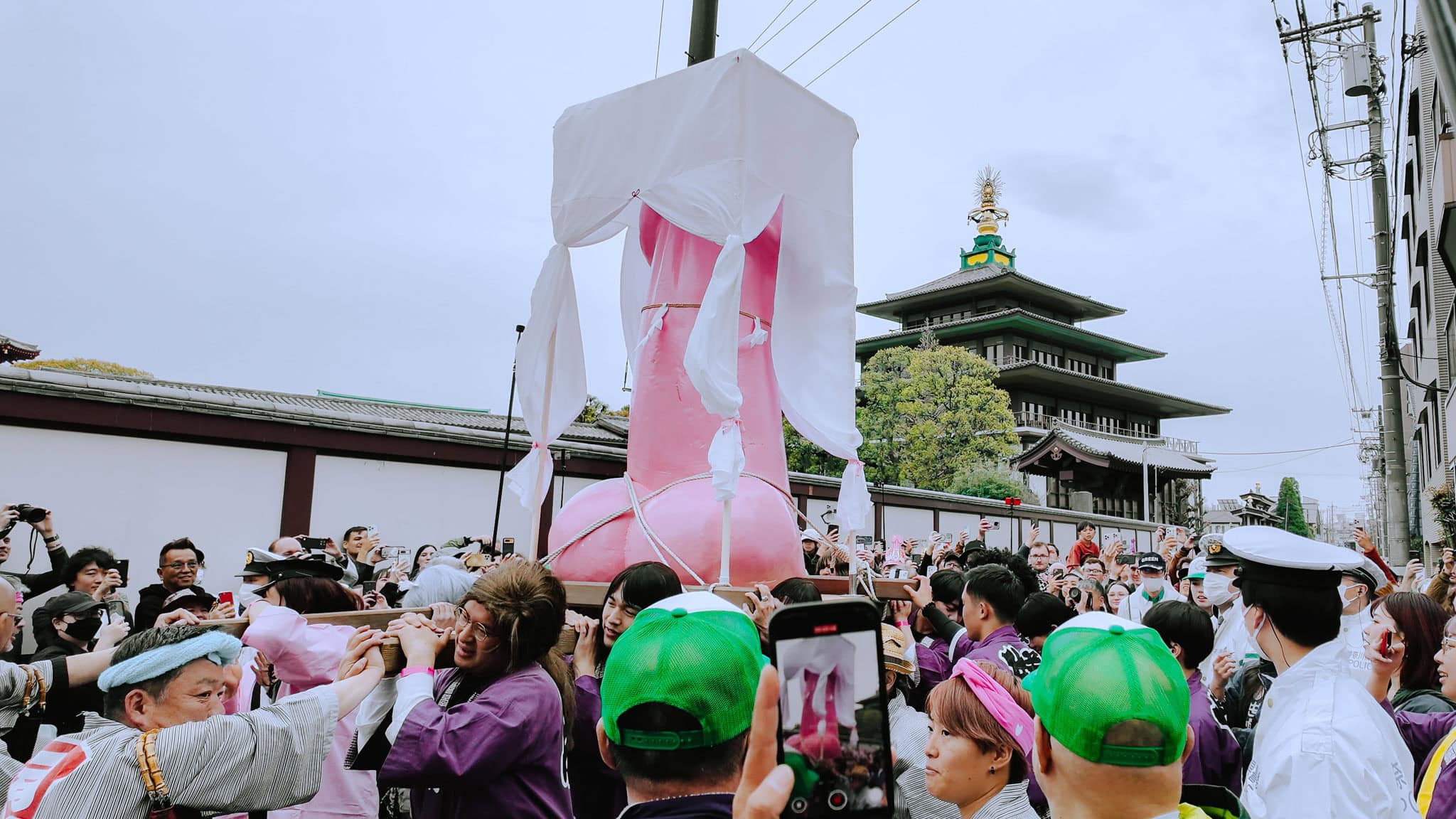
Penis Festival in Japan: A First-Timer’s Guide to Kanamara Matsuri
Japan has no shortage of quirky things to do, and Kanamara Matsuri (the Penis Festival in Japan) is absolutely up there.
We’d heard about it for years too, and this time we finally went to check it out in person.
It’s definitely playful, and the visuals are exactly what you’d expect. At the same time, it’s tied to local history and faith. The festival is centered around a shrine, which makes it feel like a very Japanese tradition, not just something people show up to laugh at.
In this guide, we’ll share what Kanamara Matsuri is really about based on our experience, what you’ll actually see during the parade, and the key logistics for first-timers, so you can decide if it’s worth fitting into your Japan itinerary.
Plan your trip with our favorite resources
Where to Stay in Japan: check best deals
Transport & activities: klook.com (save up to 10% with code DANAYAO)
eSIM for Japan: stay connected with Airalo
Penis Festival in Japan at a Glance
Is it worth it? Yes, if you want something truly unique that you can only catch once a year, and you’re fine with very silly visuals in a real shrine setting.
Who it’s for: Curious travelers who want an unusual cultural festival near Tokyo and don’t mind a big crowd.
Time required: Plan 2 to 3 hours (longer if you want to browse stalls and take photos after the parade).
What happens: A shrine festival where you’ll see phallus-themed food and merch, plus a mikoshi parade (portable shrines) carried through the streets near Kanayama Shrine in Kawasaki.
Where: Kanayama Shrine, Kawasaki. About 30 minutes from central Tokyo by train.
2026 information: In 2026, Kanamara Matsuri is on Sunday, April 5, 2026. The main parade window is usually late morning to early afternoon (often around 11:30 am to 2:00 pm).
Cost: It’s completely free to enter the festival area, but bring money for food, merch, and any donations you choose to make.
What Is the Penis Festival in Japan?
The Penis Festival in Japan is officially called Kanamara Matsuri. It’s a Shinto festival held at Kanayama Shrine in Kawasaki, a city just south of Tokyo.
It happens once a year, usually on the first Sunday in April. In 2026, that’s Sunday, April 5.
At a high level, Kanamara Matsuri is a shrine festival where the phallus shows up as a symbol everywhere, including decorations, sweets, merch, and a mikoshi parade (portable shrines) carried through the streets.
Historically, people visited the shrine to pray for protection and fertility, and it also became associated with praying for protection from sexually transmitted infections. Today, the festival is still rooted in that shrine tradition, but it’s also known for promoting sexual health awareness and fundraising.

Is It Worth Going to the Penis Festival?
Yes, it’s worth going, as long as you know what you’re signing up for.
Kanamara Matsuri is one of those rare Japan experiences that feels both unique and fun. It looks silly on the surface, and for a few hours, everyone is basically committed to doing something penis-related.
You’ll see the famous phallus-shaped mikoshi carried through the streets, try uniquely shaped snacks, and watch an entire neighborhood fully lean into the theme.
Go If
- You want a fun, once-a-year festival that you cannot really replicate anywhere else
- You want to see the phallus-shaped mikoshi parade in person
- You like street festivals and do not mind crowds
- You want to experience Japan’s quirky side in a way that still feels rooted in tradition
Don’t Go If
- You are not interested in the theme, or you know you’ll feel uncomfortable the entire time
- You are easily overwhelmed by dense crowds and slow-moving streets
Time Commitment
Plan for a minimum of 2 hours. That covers watching the parade and walking through the shrine area.
If you want to grab food, browse more stalls, and take photos without feeling rushed, staying closer to 3 hours is easy.
Who It’s Good for
Pretty much anyone is welcome. When we went, we saw all kinds of people: kids, couples, tourists, older locals, and a very LGBTQ+ friendly crowd.
It does not feel like a niche event once you’re there. It feels like a big local festival day that visitors also show up for.

Why Japan Has a Penis Festival?
Kanamara Matsuri makes a lot more sense once you see it in its original context.
This is a Shinto festival, and Shinto has a long tradition of praying for things like protection, fertility, and safe childbirth. The phallus here is used as a symbol for those prayers, not as something meant to be sexual.
Historically, the festival also became known for protection against sexually transmitted infections, especially for sex workers who came to pray for safety and health. That background is a big reason this festival exists in Kawasaki in the first place, and it explains why the meaning goes beyond the jokes.
Today, Kanamara Matsuri is still rooted in that shrine tradition, but it’s also widely known as an event that supports sexual health awareness and fundraising. At the same time, it’s become a huge tourist draw, so you’ll see both sides happening at once.
Note: In person, it feels like a real shrine festival with a very specific symbol, plus a crowd that’s there to have a good time and be respectful about it.
What Actually Happens at the Kanamara Matsuri?
If you’re trying to picture what the day looks like, think: shrine festival + street market + a parade that everyone shows up for.
There’s stuff happening all around the shrine area before the parade starts, but the main event is the mikoshi procession. The busiest window is usually 12 to 2 pm, and that’s when the streets feel the most packed.
The Parade
The big draw is seeing the phallus-themed mikoshi carried through the streets. When we went, the first big parade movement started around 12 pm, and the crowd naturally followed it as it moved.
Later, there was another major round around 1:30 pm. If you miss the first one or you want a second chance for photos, this is your backup.
What the Mikoshi Represents
Even though the visuals are funny, the mikoshi itself is still a religious object. The idea is that it “houses” a deity for the procession, and carrying it through the neighborhood is part of receiving blessings.
You’ll hear the carriers and the crowd shouting “wasshoi” as they move and shake it. It’s loud, energetic, and very festival-like.


Food and Merch
This is where it really turns into a full street festival. There are stalls selling snacks, souvenirs, and themed goods, including phallus-shaped and vulva-shaped candies and treats.
There are also plenty of food stalls next to the shrine. People grab a quick bite from classic festival snacks like okonomiyaki and takoyaki, or even penis-shaped bananas for dessert.
Prices vary, but a lot of stuff starts around 500 yen, and many stalls only take cash, so it’s worth being prepared.

Crowd Flow and How It Feels
The crowd is massive, and it moves like a wave. When the mikoshi passes, people shift and follow it down the street, then loop back toward the shrine.
It’s not chaotic, but it is slow. If you’re patient and move with the crowd, it’s fine.
Atmosphere by Time of Day
Before noon, it’s easier to walk around, browse, and get food without feeling stuck.
Once the parade starts around 12 pm, it gets packed along the main street where people are trying to watch and take photos. Around 1:30 pm, it spikes again for the second round.

Is the Penis Festival Sexual or Explicit?
This is the part most people wonder about, and the short answer is: not really.
Kanamara Matsuri is playful and the symbolism is obvious, but it doesn’t feel like an explicit event. The festival is still centered around a shrine, the parade is a real procession, and most of the crowd is there for the cultural experience.
Why People Misunderstand It
Online, it gets framed like a shock-value thing, so people assume it’s going to be wild. I posted this on my own Instagram account and got blocked immediately because it thought this was something sexually explicit.
In person, it’s much closer to a normal Japanese festival, just with a very specific symbol everywhere. It’s also tied to sexual health awareness and fundraising, which is a very different context than what most people expect.
Is It Family-Friendly?
Yes, for the most part.
When we went, we saw kids and families walking around like it was any other festival day. Nothing felt graphic. If you’re okay with penis statues and penis-shaped candy being out in the open, it’s fine.
Why It Feels Playful, Not Sexual
The overall mood is more cheerful than anything. People are laughing, cheering during the parade, taking photos, and buying silly snacks. It feels light and community-focused.
If you’re traveling with someone who might be uncomfortable, you’ll know pretty fast if it’s a “stay” or “leave” situation.

When and Where Kanamara Matsuri Takes Place
Kanamara Matsuri takes place at Kanayama Shrine in Kawasaki, which makes it an easy day trip or half-day trip if you’re staying in Tokyo.
The festival is held at Kanayama Shrine, located at 2 Chome-13-16 Daishi Ekimae, Kawasaki Ward, Kawasaki, Kanagawa 210-0802, Japan.
The closest train station is Kawasaki Daishi Station, and from there it’s a short walk to the shrine and the main festival area.
The main parade window is typically around 12 pm to 2 pm, but it’s worth arriving earlier so you have time to look around, grab food, and get a decent spot before the streets fill up.
It rained lightly when we went, and the parade still went on as planned. If the weather is really bad, it may affect the parade schedule, so it’s worth having a flexible schedule.
Quick Tip: Grab cash before you arrive. Some booths only take cash, and the nearest ATMs can get busy on festival days.
What to Expect as a First-Time Visitor
If it’s your first time going, the main thing to know is that it’s easy to navigate, but it gets crowded fast once the parade starts. The experience is way smoother if you arrive a little early instead of showing up right at noon.
Aim to get there around 11 am. That gives you enough time to walk around, look at the stalls, grab a snack, and figure out where you want to stand before the streets fill up.
Once the mikoshi starts moving, the crowd basically turns into a slow wave. People naturally follow the parade route, so it can feel packed and hard to move quickly, especially on the main street where everyone is trying to watch and take photos.
Plan to stay at least 2 hours. If you want to browse and eat without rushing, give yourself closer to 3.

Photo Strategy for Kanamara Matsuri
I get it, you will probably want to take some good photos of this festival because it’s only once a year.
To get clear and best shots, you’d want to arrive before noon. That gives you more freedom to choose where you stand. Once the parade starts, it’s harder to weave through the crowd, and you’ll waste energy trying to force your way forward.
If you miss the best moment during the first round, the second parade movement around 1:30 pm is a solid second chance.
What to Bring
Bring cash, wear comfortable shoes, and bring a small umbrella or rain jacket if the forecast looks questionable.
If you’re carrying a lot, use a bag that zips. The crowd gets tight, and it’s easier to enjoy the festival when you’re not worrying about stuff falling out.
How to Visit Respectfully
Even though Kanamara Matsuri is playful, it’s still a shrine festival, and it helps to treat it the same way you would any other local event in Japan.
Photography is fine, and most people are taking photos the entire time. Just be mindful of where you’re standing, and try not to shove your camera into someone’s face. If you’re filming, avoid close-ups of random people, especially kids, unless they’re clearly part of the parade.
For behavior, the biggest thing is to not make it weird. You’ll hear people laughing and making jokes, and that’s normal, but it’s not the place to be loud, preachy, or act like you’re there to mock the culture.
As for the merch and candy, it’s penis-shaped and vulva-shaped. People treat it like any other festival snack. If you want to buy something funny, do it, just keep it light and don’t turn it into a spectacle for other people around you.


Our Experience Visiting Kanamara Matsuri
Our first impression was that it was surprisingly well-organized for how many people showed up.
There were a ton of tourists (both international and from other parts of Japan), but it still felt like a real local festival day centered around the shrine.
The crowd was the biggest surprise. Once the parade started moving, everyone naturally flowed in the same direction, and the streets got tight fast. It was one of those situations where you just accept you’re moving slowly and you stop fighting it. When we did that, it was way more enjoyable.
The overall vibe was fun and light, and people mostly minded their own business. You’d see couples, families, older locals, and plenty of LGBTQ+ friendly energy in the mix, and nobody seemed bothered by anyone else being there.
Even when it started raining during the later part of the parade, everything kept going and people just powered through.
A few practical takeaways that really mattered: the train there and back was crowded, a lot of stalls only took cash, and prices varied more than we expected. If you want to buy anything, it’s worth doing one loop first before committing, because some booths were noticeably better deals than others.


Penis Festival FAQs
Is it appropriate for kids?
Yes, it can be. When we went, we saw families and kids around, and it did not feel explicit or graphic. The visuals are obviously phallic, so it really comes down to what you’re comfortable with as a parent.
Is it religious or tourist-focused?
Both. It’s a real shrine festival that starts and ends around the shrine, but a big part of the crowd is tourists who come to watch the parade and check out the stalls.
Is photography allowed?
Yes. People take photos constantly, especially during the parade. Just keep it respectful and avoid filming close-ups of random people for no reason.
Is it LGBTQ-related or fertility-focused?
It’s fertility and protection focused at its core, and the festival is generally very welcoming. You may see people cross-dressing or dressed up, and the overall crowd feels LGBTQ+ friendly, but the festival itself is not specifically an LGBTQ event.

Other Unique Festivals and Things to Do in Japan
If you love traditional festivals, here are a few that are totally worth planning around:
📍Saidaiji Eyo Hadaka Matsuri in Okayama: Also known as the Naked Man Festival. A wild winter festival where crowds compete to grab sacred sticks for a year of good luck, and the energy is honestly unreal.
📍Gion Matsuri in Kyoto: One of Japan’s most famous summer festivals, known for massive floats and traditional street processions. It’s classic Kyoto at full scale, and the streets feel like one big celebration. Add this to your Kyoto itinerary for more fun!
📍Sumidagawa Fireworks Festival in Tokyo: A huge fireworks night along the river with a packed festival atmosphere. It’s one of the best summer evenings you can do in the city, just expect crowds and claim your spot early.
Or if you’re more into weird things, here are a couple we personally loved:
Muscle Girls Bar in Tokyo: You hang out with super muscular girls, and you can pay for add-ons like getting slapped, doing little “challenge” games, or just taking photos together. It’s goofy, over-the-top, and way more friendly than people expect. Read our experience here!
Unko Museum in Tokyo: It’s a poop museum. It’s basically a bright, silly photo spot with poop-themed games and displays, and it’s weirdly fun if you want something light and low-effort.
And if you want a full list of unique things to do in Tokyo, here’s our comprehensive guide.

Conclusion
Kanamara Matsuri is one of those Japan experiences that sounds ridiculous at first, but makes a lot more sense once you see it in person. It’s playful and you do get to see some ridiculous visuals. But it’s also a real shrine festival tied to local history, faith, and themes of protection and health.
If you’re in Japan in early April and you want something unique, it’s worth fitting into your Tokyo itinerary. Plan for at least a couple hours, arrive before the parade crowds peak, bring cash for stalls, and go in with the mindset that it’s a festival day first.
If you’re planning Japan and want help tightening your itinerary so it flows better day to day, I also offer Japan itinerary audits. It’s a simple way to catch mistakes, save time, and make sure your trip makes sense before you book everything!
You must be logged in to post a comment.