

Sakuraco vs Bokksu: This Is Our Pick for Japan Snack Box
Japanese snacks are one of the best parts of living in or traveling to Japan. After years of munching on wagashi, dagashi, and everything in between, we still find ourselves craving them the second we leave.
And since teleportation to Tokyo is not a thing (yet), Japanese snack boxes are probably the next best way to get that fix. They show up at your doorstep loaded with treats, tea, and a slice of culture that makes you feel just a little closer to Japan.
We’ve tried a few, but the two heavyweights everyone asks about are Sakuraco and Bokksu. Both are solid, but they are not the same experience. In this guide, we’ll break down what they do well, what they don’t, and which one is the clear winner for us.
Get Your Sakuraco Box
Sakuraco box discount code: apply DANAYAO at checkout for $5 off!
Sakuraco vs Bokksu: Quick Comparison
If you want the fast answer, here’s how Sakuraco and Bokksu stack up side by side.
| Features | Sakuraco | Bokksu |
|---|---|---|
| Location | Based in Japan | Not based in Japan |
| Snack Style | Wagashi and regional specialties | Dagashi and modern snacks |
| Extra Home Good | 1 artisan home good per box | None |
| Monthly Price | $37.50/monthly box | $39.99/monthly box |
| Shipping | $12.50 | $12.50 |
| Authenticity | Yes, sourced and packed in Japan | Yes, but not HQed in Japan |
| Local Makers | Strong focus on local artisans | Less emphasis on artisans |
What Comes in a Japanese Snack Box from Sakuraco and Bokksu
At first glance, Sakuraco and Bokksu look similar. Both are subscription boxes full of Japanese snacks, both come with a cultural booklet, and both switch up the theme every month.
But once you actually open them up, the details and the experience could not be more different.
Sakuraco
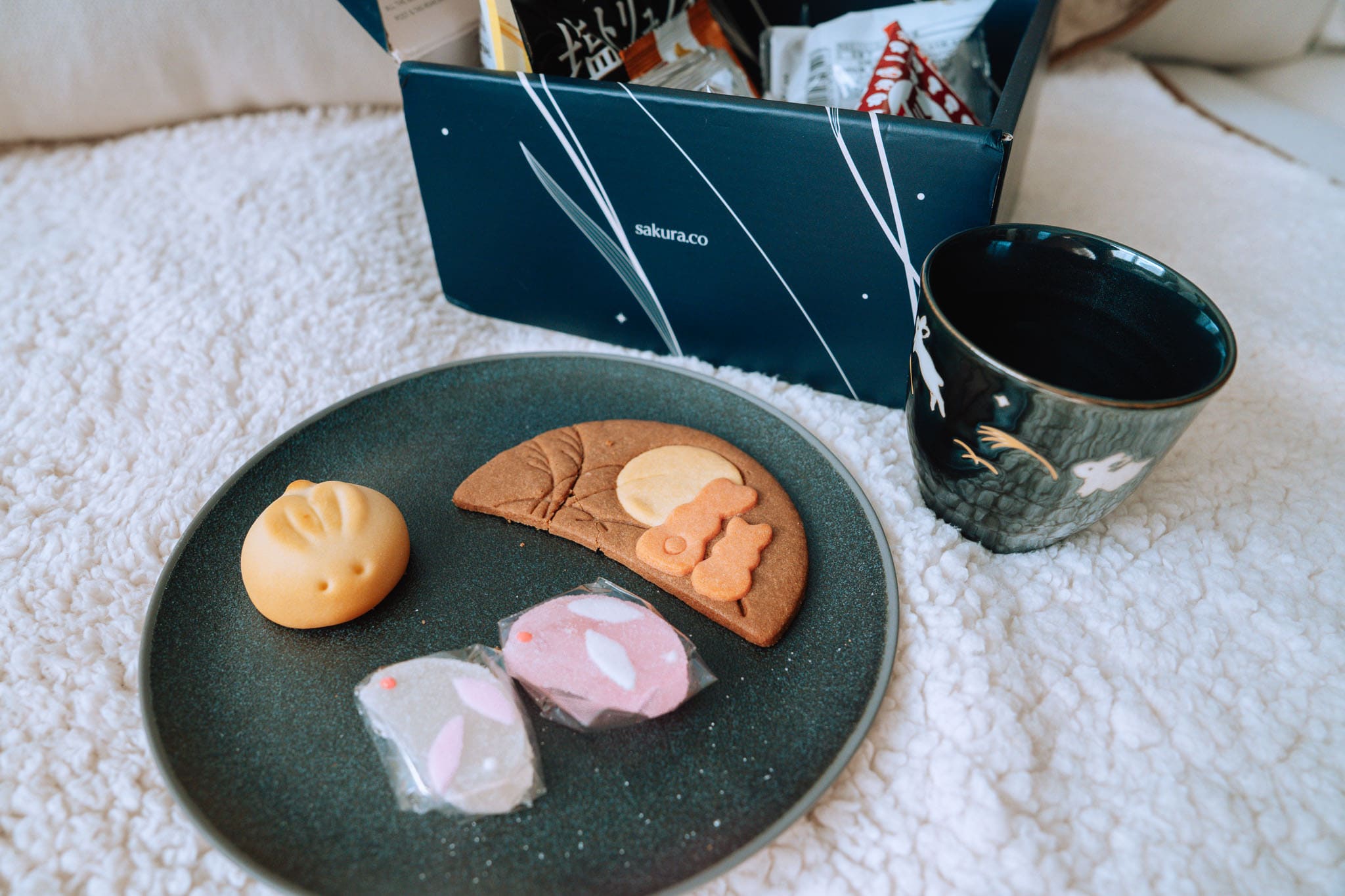
It leans into wagashi, traditional Japanese snacks that are as pretty as they are tasty, plus teas and one artisan home good every month.
Think ceramics, chopsticks, or a furoshiki cloth…little things that make the experience feel intentional instead of just “snacking.”
The company was founded by Ayumi Chikamoto with the goal of sharing the cultural ritual of enjoying Japanese sweets with tea. The company is based in Tokyo and is also behind TokyoTreat, a separate subscription box that leans more toward colorful, pop-culture-inspired snacks.
Every box is packed in Japan, with items curated from local makers. It is less “random snacks” and more “mini cultural trip.”
They even run the Sakura Shop, where you can buy artisan goods and snacks individually if you find a favorite.
Pro Tip: Use code DANAYAO at checkout for $5 off your Sakuraco box.
Bokksu
Bokksu takes a different approach. It is more of a general sampler, mixing dagashi-style snacks with some regional favorites. You usually get more than 20 items, which means plenty of variety (and sometimes duplicates).
The company is not based in Japan, but the snacks themselves are sourced and shipped from there. They include a cultural booklet too, with allergen info and snack details, which is super handy if it’s your first time trying Japanese snacks.
Overall, Bokksu feels more like a general snack sampler compared to Sakuraco’s focus on tradition and artisanship.
What are the Differences Between Sakuraco and Bokksu?
This is where the biggest differences show up. Both Sakuraco and Bokksu deliver Japanese snacks, but the style and experience are very different once you open the lid.
Inside the Box: What You Actually Get
Sakuraco
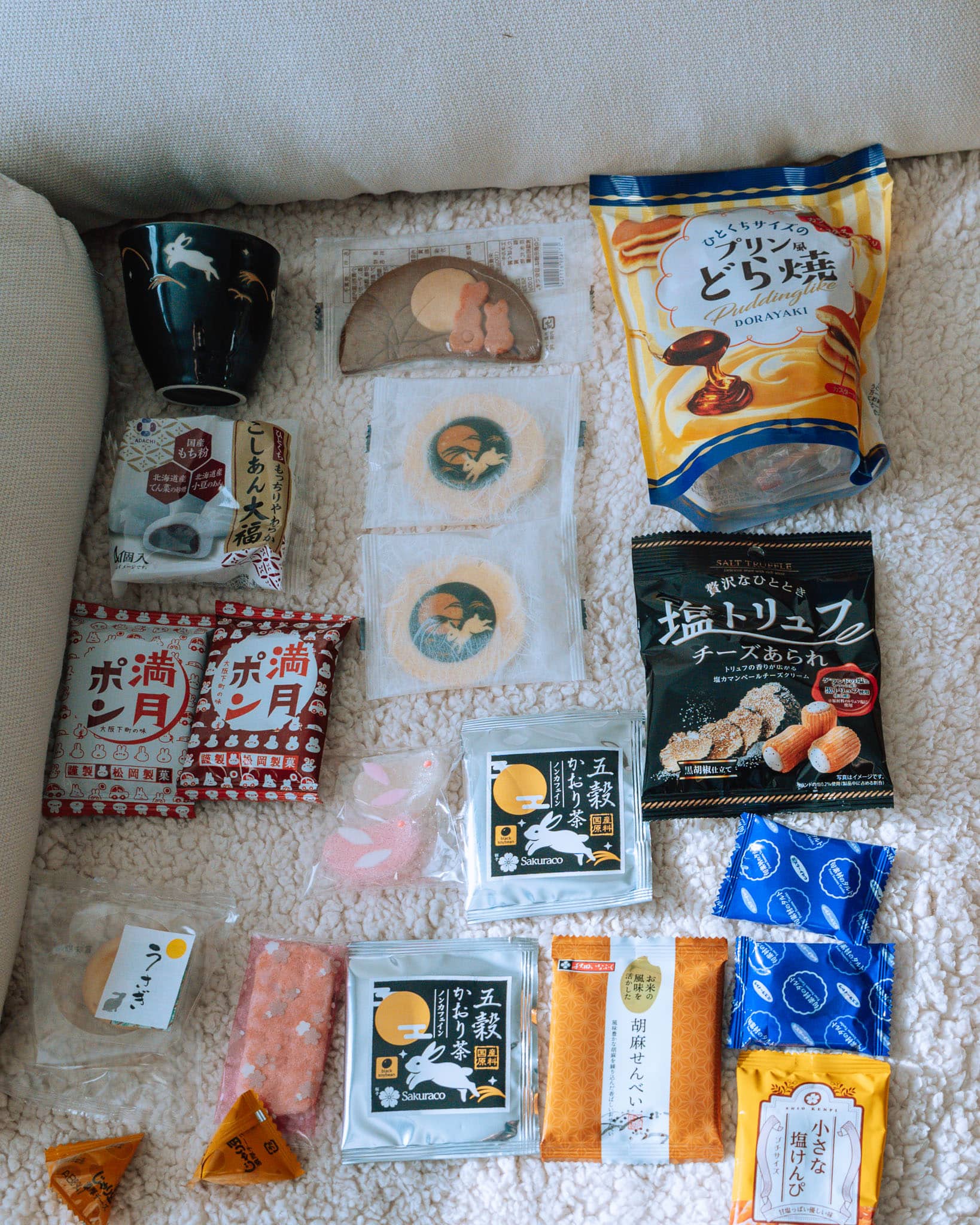
Sakuraco is built around wagashi, the traditional sweets often paired with tea. Each box includes 15 to 20 snacks that are as beautiful as they are tasty.
Alongside the snacks, you get one artisan home good, which could be ceramics, chopsticks, or even a furoshiki cloth. It feels like part of the ritual of enjoying tea time.
You also get a detailed cultural guide that explains each item, introduces the makers, and ties everything back to the monthly theme. The booklet includes allergen info and a note from founder Ayumi Chikamoto, which adds a personal touch. Read our full Sakuraco Box Review.
Bokksu
Bokksu leans toward dagashi and more casual snacks. Expect around 20 items per box, which often means a larger volume of snacks, sometimes with duplicates. Many of the items are sweet or savory treats you might also spot in Japanese supermarkets, mixed with some harder-to-find regional specialties.
The box includes a cultural booklet with allergy information and background on each snack. While there is no home good included, the focus here is on giving you as many different flavors as possible in one package.
No artisan home good included.
Winner: Sakuraco
If you want your snack box to feel like a cultural experience and not just a sugar rush, Sakuraco nails it. Bokksu has the variety, but Sakuraco makes it feel like something you actually want to slow down and enjoy.
Monthly Themes and Booklets
Both Sakuraco and Bokksu release a new theme each month, tying the snacks together with seasonal flavors and cultural context. It keeps the boxes feeling fresh and lets you experience a small slice of Japan as it changes throughout the year.
Sakuraco
Every box is built around a seasonal or regional theme. The 24-page booklet goes deep into the story of the makers, the traditions behind each snack, and how everything connects to Japanese tea culture. It feels less like just information and more like a guided cultural experience.
Bokksu
Bokksu also organizes its boxes by monthly themes and includes a cultural booklet. The booklet covers snack details, allergy information, and some cultural notes, which is helpful for anyone who wants to know exactly what they are tasting.
Winner: Tie
Both do a solid job here. Sakuraco leans into deeper storytelling, Bokksu keeps things simple and practical. It really depends on how much you want the “backstory” with your snacks.

Pricing and Shipping
Sakuraco
A monthly subscription costs $37.50 per box, with small discounts if you commit to longer plans.
Each box includes 15–20 snacks plus a handcrafted home good, which adds extra value (and fun). Shipping is a flat $12.50, and depending on where you live, customs fees may apply.
For a 12-month subscription, Sakuraco is slightly more expensive than Bokksu, but the value is much higher. Instead of just snacks, you also get an additional artisan home good worth up to $80 on top of the home goods included in each box, which makes the experience feel more curated and lasting.
Bokksu
A monthly subscription costs $39.99 per box, or $49.99 if you want to buy just one without a subscription.
Like Sakuraco, shipping is a flat $12.50, and customs fees can also apply. Each subscription tier (3, 6, or 12 months) comes with the same bonus of “two rare snacks,” which does not change no matter how long you subscribe.
Winner: Sakuraco
Sakuraco edges out Bokksu on overall value. The artisan home goods add staying power to the experience, while Bokksu’s extras feel more like a small bonus.

Authenticity and Cultural Connection
Sakuraco
Sakuraco is based in Japan, and every box is hand selected and packed there. The snacks focus on wagashi, traditional Japanese sweets that carry both aesthetic and cultural significance.
The company also works with local artisans and regional makers, so each delivery highlights the specialties of different prefectures. The result is more than just food. It feels like a curated tea time experience rooted in Japanese culture.
Bokksu
Bokksu is not headquartered in Japan, though the snacks themselves are sourced and shipped from Japan. The selection leans more toward dagashi, the casual style snacks that are fun and varied but less tied to tradition.
Bokksu still gives you an authentic taste of Japan, but the focus is more on quantity and variety rather than a deeper cultural story.
Winner: Sakuraco
If you want a snack box that feels like an elevated cultural ritual, Sakuraco is the clear choice. Bokksu is enjoyable for variety, but Sakuraco better captures the spirit of Japanese tea time and tradition.

Sakuraco or Bokksu: Which One Should You Get
Both Sakuraco and Bokksu bring Japanese snacks to your doorstep, and both are fun to try if you want a taste of Japan from home.
Bokksu offers plenty of variety and is a good fit if you are mainly looking for a broad sampler of modern snacks.
Sakuraco, on the other hand, goes deeper. It combines wagashi with tea pairings, artisan made home goods, and a cultural guide that makes each box feel like a small journey through Japan. If you value tradition, storytelling, and the feeling of sitting down for a proper tea time, Sakuraco is the stronger choice.
Our pick is Sakuraco. It consistently delivers a more elevated and culturally rich experience that makes each box feel special, not just like another pile of snacks.
Pro Tip: Use code DANAYAO at checkout for $5 off your Sakuraco box.
FAQ About Japanese Snack Boxes
Where are Sakuraco and Bokksu based?
Sakuraco is based in Japan. Every snack is hand selected and packed locally, with items sourced directly from regional makers.
Bokksu is not headquartered in Japan, but the snacks themselves do come from Japan. So while the taste is authentic, the roots are a little less local.
Are Japanese snack boxes worth it?
Yes, they are worth it!
If your Japan trip has been on hold, these boxes are the easiest way to get flavors of Japan shipped straight to your door.
And even if you’ve already traveled or lived in Japan like we have, the variety is endless. There’s always something new to taste, which keeps each box feeling like a fresh little surprise.

Do both boxes include cultural guides and allergen info?
Yes. Both Sakuraco and Bokksu include booklets with snack details, allergy information, and a monthly theme.
Sakuraco’s booklet just goes further. It introduces the artisans and regions behind each snack, so it feels more like a cultural guide instead of just a manual.
Which snack box is better for gifting?
Sakuraco makes a stronger gift because the presentation feels elegant and the artisan home good adds a keepsake touch.
Bokksu works fine as a gift too, especially for someone who just loves having a ton of snacks to try. But Sakuraco feels a bit more special, like something they’ll actually remember.
Conclusion
Japanese snack boxes are more than just treats. They are a way to experience the flavors and traditions of Japan without needing a plane ticket.
Bokksu definitely brings variety and volume, and it can be fun if you just want a sampler of modern snacks.
But Sakuraco? It feels like a whole vibe. With wagashi, tea pairings, artisan made goods, and cultural storytelling, it’s less “snacking” and more like a mini tea time ritual you’ll actually look forward to.
If you only pick one, go with Sakuraco. It’s the one that makes you want to slow down, pour a cup of tea, and enjoy Japan from your home with no jet lag required.
Save on Pinterest


You must be logged in to post a comment.