

Is it Better to Stay in Osaka or Kyoto?
Osaka and Kyoto are two of the most traveled cities in the Kansai region, and they could not feel more different despite being just a 30-minute train ride apart. One is buzzing with neon lights and endless food stalls, while the other is steeped in temples, traditions, and slower rhythms.
If you are planning a trip through Kansai, chances are you will visit both. The real question becomes: is it better to stay in Osaka or Kyoto as your base?
After more than 12 trips between the two cities, trying out everything from budget hotels to traditional ryokans, we have a clear sense of what works, what doesn’t, and what might be best for your style of travel.
This guide breaks down the differences between Osaka and Kyoto, where to stay in each city, and how to decide which city is the better choice for your trip.
Plan your trip with our favorite resources
Where to Stay in Japan: check best deals
Transport & activities: klook.com (save up to 10% with code DANAYAO)
eSIM for Japan: stay connected with Airalo
Osaka vs. Kyoto: Key Differences at a Glance
Osaka and Kyoto are neighbors on the map, but they offer very different experiences once you arrive. Osaka feels modern, fun, and laid-back compared to Tokyo, while Kyoto leans traditional, packed with temples and historic districts.
Both are worth visiting, but the vibe, cost, and convenience can shape whether you should stay in Osaka or Kyoto.
At the end of the day, there is no absolute right answer. It really comes down to your trip style, the kinds of experiences you want, and your budget.
| Features | Osaka | Kyoto |
|---|---|---|
| Vibe | Modern, fun, more relaxed than Tokyo | Traditional with plenty of tourist hotspots |
| Food | Famous for street food like takoyaki and okonomiyaki | Traditional washoku and multi-course kaiseki meals |
| Attractions | Compact and easy to cover in a day or two | Spread out across districts, often requiring more time |
| Price | Generally cheaper for food and accommodation | Tends to be more expensive overall |
| Day Trips | Great hub for Kansai and beyond: Hiroshima, Nara, Wakayama | Possible, but most routes pass through Osaka first |
| Accommodation | Standard hotels at lower prices | Traditional stays like ryokans and machiyas |
| Nightlife | Bustling, especially in Dotonbori and Umeda | Quieter, with little late-night activity |
| Best Hotels to Stay | 📍Hotel Forza Osaka Namba Dotonbori ($$) 📍The Boly Osaka ($$) 📍The Ritz-Carlton Osaka ($$$$) | 📍Kyoisuke Machiya ($$$) 📍The Ritz-Carlton Kyoto ($$$$) 📍Four Seasons Kyoto ($$$$) |
Staying in Osaka
Osaka is one of the easiest cities in Japan to base yourself in.
Accommodation prices are noticeably lower than Kyoto, and the city has an energy that makes it fun to come back to at the end of a long sightseeing day.
If your trip includes day trips around Kansai, Osaka is also one of the best hubs thanks to its excellent train connections.
We recommend spending at least 2-3 days in Osaka to see all the major highlights.
Pros and Cons of Staying in Osaka
Pros
Cheaper accommodation: Hotels and guesthouses in Osaka are generally much more affordable than in Kyoto, even during peak seasons.
Great nightlife: From Dotonbori’s neon lights and late-night street food to lively izakayas and bars, Osaka comes alive after dark. Perfect if you want to explore beyond sightseeing hours.
Cons
Fewer must-see attractions: Most of Osaka’s highlights can be covered in a day or two, since the main attractions are relatively close to one another.
Less traditional atmosphere: While there are shrines and castles, Osaka doesn’t offer the same historic, cultural depth that Kyoto is famous for.
Best Places to Stay in Osaka
Osaka has plenty of accommodation options, from budget-friendly spots near Namba to luxury hotels in Umeda.
For all areas and detailed recommendations, check our full Where to Stay in Osaka guide.
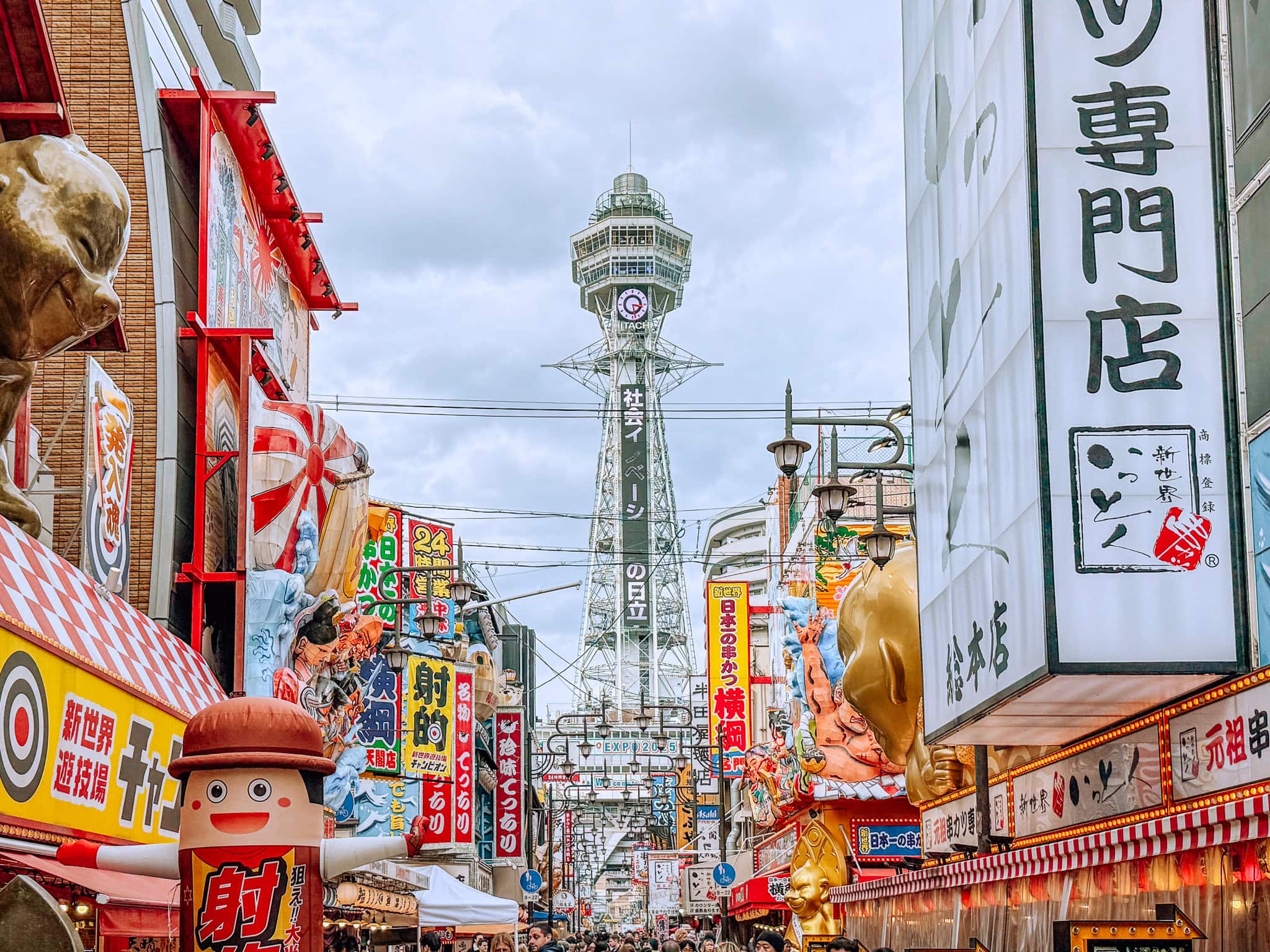
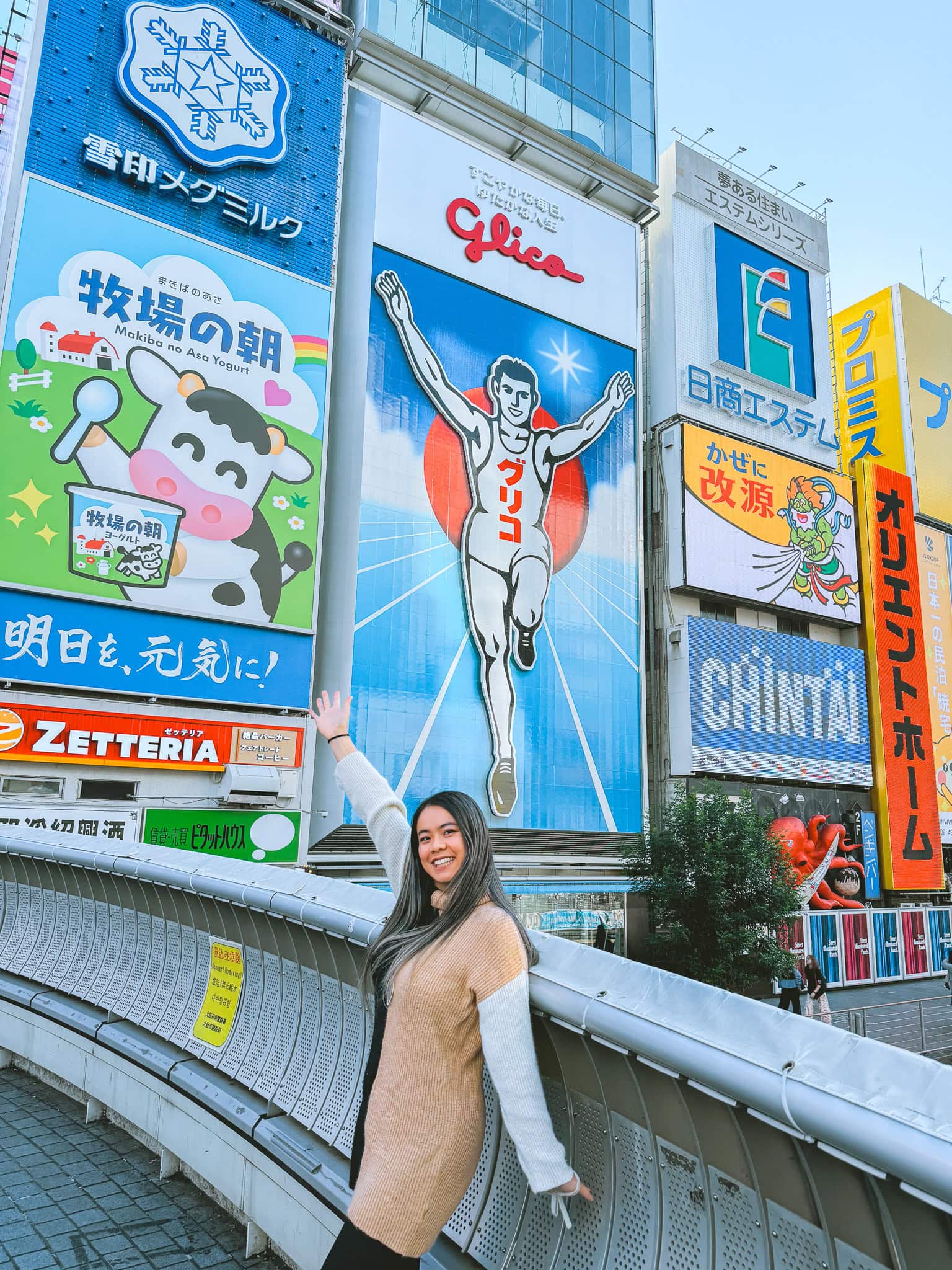
📍Hotel Forza Osaka Namba Dotonbori ($$): Best for direct access to Dotonbori, just a 3-minute walk from the famous Glico Sign.
📍 The Boly Osaka ($$): Best for a modern, chic stay with riverfront views at a reasonable price in Honmachi area.
📍The Ritz-Carlton Osaka ($$$$): Best for timeless classic luxury in the Kita area, with elegant rooms and impeccable service.

Top Things to Do in Osaka
Street Food Tour: Osaka is known to be the kitchen of Japan. Here’s a guided tour through the deep backstreets to get to know the local food culture and scene.
Dotonbori Area: Famous for its giant neon signs and bill boards, and endless food stalls, this is the heart of Osaka nightlife. Great to explore after dark.
Shinsekai and Tsutenkaku Tower: For a retro side of Osaka, head to Shinsekai. Don’t miss Tsutenkaku Tower, the city’s original observation deck with a quirky vibe and even a transparent slide for the adventurous.
Pro tip: If you are hitting multiple attractions in Osaka, you’ll want to get an Osaka Amazing Pass to save money. It gives you access to over 40 attractions, plus unlimited metro rides.
Staying in Kyoto
Kyoto is where you go for the traditional side of Japan. From historic temples to lantern-lit alleys and peaceful tea houses, the city offers something you won’t find anywhere else.
Accommodation is more expensive than Osaka, but if you want to experience a ryokan, machiya, or just wake up steps from centuries-old landmarks, this is the place.
We also recommend spending at least 2-3 days in Kyoto if you want to see the major highlights without feeling rushed.
Pros and Cons of Staying in Kyoto
Pros
Traditional stays: Kyoto is one of the best places in Japan to stay in a ryokan or machiya, giving you a chance to experience classic Japanese hospitality.
Plenty of cultural attractions: With temples, shrines, gardens, and cultural experiences, you’ll never run out of things to do in Kyoto that ties to traditional Japanese culture.
Cons
Expensive accommodation: Hotels, ryokans, and rentals in Kyoto tend to cost significantly more than Osaka, especially in peak seasons.
Crowds: Kyoto’s most famous attractions can get very crowded, especially in late mornings and early afternoons.
Limited nightlife: Unlike Osaka, Kyoto quiets down early, with very few late-night options.

Best Places to Stay in Kyoto
Kyoto has a wide variety of stays, from modern luxury hotels to traditional ryokans. For a complete breakdown by neighborhood, check our full Where to Stay in Kyoto guide.
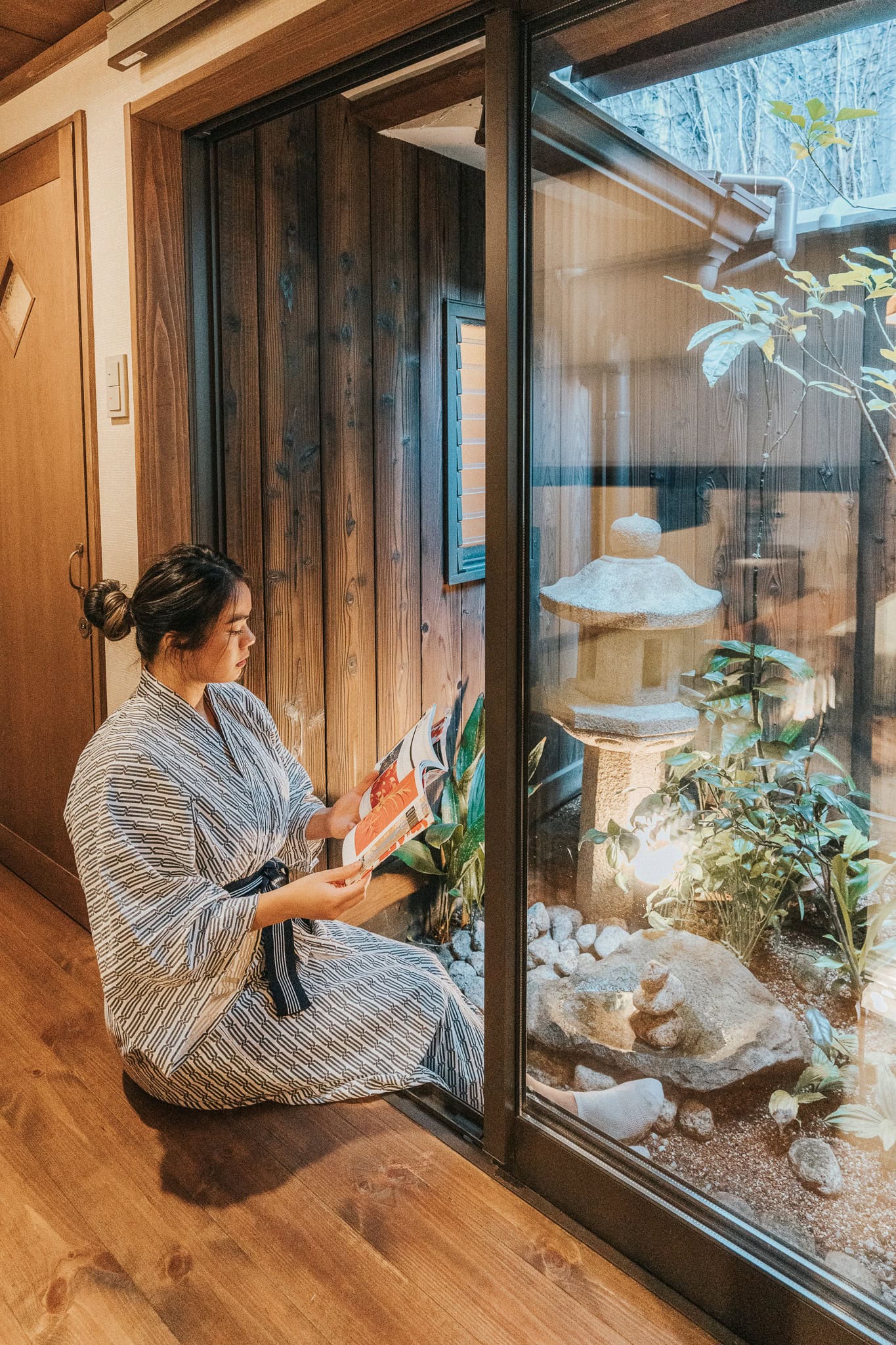
📍Kyoisuke Machiya ($$$): A full traditional house all to yourself, perfect for families and groups looking for an authentic Kyoto stay.
📍The Ritz-Carlton Kyoto ($$$$): Best for luxury with riverfront views in Downtown Kyoto.
📍Four Seasons Kyoto ($$$$): Best classic luxury stay, blending tradition with elegance and offering iconic views of Kyoto’s temples.
📍Nazuna Kyoto Gosho ($$$$): Best for a ryokan experience with an open-air bath in Kyoto’s quiet Central area.
Top Things to Do in Kyoto
Arashiyama: Famous for its bamboo grove and riverside scenery, this area is one of Kyoto’s most picturesque spots. We highly recommend a day trip to Arashiyama and explore deeper there.
Fushimi Inari Taisha: Recognized worldwide for its 1,000+ vermillion torii gates, this shrine is dedicated to Inari, the Shinto god of rice and prosperity. The hike to the top takes about 1.5–2 hours, but many visitors stop at Yotsutsuji Intersection for sweeping panoramic views of Kyoto.
Knife-Making Workshop: You’ll change into a traditional blacksmith outfit and learn the basics of knife-making from skilled artisans. Even complete beginners can join in and create a one-of-a-kind souvenir.
Here’s our things to do in Kyoto guide that goes way beyond the temples and bamboo forest!

Should You Stay in Osaka or Kyoto?
There isn’t a single “right” choice here. It really depends on your travel style, budget, and how much time you want to spend commuting between the two cities.
Since Osaka and Kyoto are only about 30 minutes apart by train, you’ll most likely visit both during your trip. The real decision is where you want your base.
Should stay in Osaka if:
You want to benefit from cheaper hotels, plenty of nightlife, and an energetic atmosphere that makes the city fun to return to after sightseeing.
Osaka is also the stronger transportation hub, which makes it an excellent base if you’re planning several day trips across the Kansai region.
Should stay in Kyoto if:
You want to be right in the middle of Japan’s traditional heart. Accommodations cost more, but the chance to stay in a ryokan or machiya adds an authentic touch you won’t find elsewhere.
You’ll also be closer to temples, shrines, and cultural landmarks, with slower evenings and a quieter pace that appeals to travelers who don’t mind skipping nightlife.
Resources About Visiting Osaka and Kyoto
Getting between Osaka and Kyoto is simple, and most travelers end up using a mix of trains, subways, and buses depending on their plans. Here are the key options to keep in mind when planning your trip.
Transportation within Kyoto
The main way to get around Kyoto is by city bus, with some subway lines available in central areas. A Kyoto Subway and Bus Pass can be a good deal if you plan to ride multiple times a day.
Transportation within Osaka
Osaka is much more subway-friendly, with an extensive metro network that makes it easy to reach major neighborhoods. You can also ride the Osaka Loop Line and other JR lines if you’re doing day trips across Kansai.
For visitors, a Kansai Mini Pass is worth considering if you’ll be taking several regional trains, and an Osaka Amazing Pass if you are visiting multiple attractions within Osaka riding metros.
Between Osaka and Kyoto
The JR Kyoto Line connects the two cities in about 30 minutes, making it one of the most efficient ways to travel back and forth. If you’re already using a JR Pass, this ride is included.
Shinkansen to Other Major Cities
For travelers coming from Tokyo or heading further west to Hiroshima, the Shinkansen (bullet train) is the fastest option. It runs frequently, and you can book seats in advance for added convenience.

Conclusion
Deciding whether to stay in Osaka or Kyoto comes down to what kind of trip you want.
Osaka is lively, affordable, and perfectly placed for day trips across Kansai. Kyoto is traditional, atmospheric, and full of temples and cultural landmarks, though it comes at a higher price.
The good news is that you don’t really have to choose one over the other. Since the two cities are so close, you’ll likely experience both during your trip. The real question is which one makes the better base for your pace, budget, and travel style.
Plan carefully and choose a place that suits your trip, and you’ll get to enjoy both sides of one Japan’s most visited regions.
You must be logged in to post a comment.