

Your Ultimate Travel and Packing Guide to Japan’s Summer
When people think about traveling to Japan, spring’s cherry blossoms or autumn’s colorful foliage often come to mind. But what about summer? Despite the heat and humidity, summer in Japan is an incredible season to explore. Japan’s summer months, from June to early September, offer unique experiences such as vibrant festivals, mesmerizing hanabi (fireworks), seasonal foods, and cultural events that can only be found during this time.
Having spent summers in Japan and traveled extensively during the season, we know firsthand how intense the humidity can be—sweat and sticky clothes aren’t exactly our favorite things. But through trial and error, we’ve figured out exactly what you need to pack for a comfortable and enjoyable trip.
This guide will provide everything you need to know about summer in Japan, including what to pack to ensure your trip is comfortable, safe, and enjoyable.
Plan your trip with our favorite resources
Where to Stay in Japan: check best deals
Transport & activities: klook.com (save up to 10% with code DANAYAO)
eSIM for Japan: stay connected with Airalo
When is Summer in Japan – Japan Summer Weather
Summers in Japan can be intense, especially if you’re unprepared for the weather. Each of Japan’s summer months presents different conditions, so it’s important to know what to expect.
June – The Start of the Rainy Season
The summer kicks off with June, which marks the beginning of Japan’s rainy season (tsuyu). Although the temperatures aren’t as high as in July and August, you’ll likely experience a lot of rain, especially in the central and southern regions of Japan. Expect high humidity and frequent downpours, so packing waterproof gear is essential. Temperatures hover around 70–80°F (20–27°C), making it relatively mild compared to later in the summer.

July and August – Hot and Humid Days
July and August are the hottest months of the year in Japan. In many regions, temperatures soar above 90°F (32°C) and the humidity can exceed 70%, making the air feel thick and oppressive. Many locals can be seen carrying portable fans, wearing self-cooling jackets, or using neck cooling rings to stay cool. It’s common to find misting stations set up in public areas, and vendors sell plenty of cold treats, such as kakigori (shaved ice) and chilled noodles, to combat the heat.
Early September – Starting to Cool Down
By early September, the extreme heat begins to subside, although the first few days of the month can still feel very warm. As summer transitions into autumn, temperatures gradually cool, but it’s still advisable to dress light and carry water with you during outings.

Cool and Unique Things to Do in Japan’s Summer
Japan’s summer is more than just heat and humidity—it’s a season rich with exciting activities, festivals, and traditions. Here are some of the top things to experience:
1. Matsuri (Festivals)
Japan’s summer matsuri (festivals) are some of the most lively and colorful events in the country. These traditional festivals often feature parades, music, dancing, and elaborate mikoshi (portable shrines) carried through the streets. Cities like Tokyo, Kyoto, and Osaka host some of the most famous festivals, such as the Gion Matsuri in Kyoto or the Tenjin Matsuri in Osaka. Visitors are encouraged to wear yukata, a lightweight summer kimono, and join the festive atmosphere. You can enjoy food stalls offering yakitori (grilled chicken skewers), takoyaki (octopus balls), and many other treats.
If you are heading to Osaka, check out our blog here ⬇️!


2. Hanabi Daikai(Fireworks Festivals)
Hanabi or fireworks festivals are a hallmark of summer in Japan. Throughout July and August, massive firework displays are held across the country, drawing huge crowds to riverbanks and parks. The Sumida River Fireworks Festival in Tokyo and the Nagaoka Fireworks Festival in Niigata are two of the most famous. Watching fireworks while enjoying yakisoba and kakigori is a quintessential summer experience. Be sure to arrive early to secure a good viewing spot!

3. Visiting the Coast and Island Hopping
Summer is also a great time to explore Japan’s beautiful coastal regions and islands. Okinawa, located in the southern part of Japan, offers some of the best beaches, clear waters, and coral reefs. Other popular coastal destinations include Kamakura, Enoshima, and the Shonan area, all located near Tokyo. For a more remote island experience, the Seto Inland Sea, with its art-filled islands like Naoshima, offers a unique blend of nature, culture, and summer relaxation.
Check out our Okinawa guide here!

4. Climbing Mount Fuji
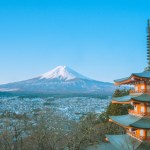
For adventure seekers, summer is the official climbing season for Mount Fuji, Japan’s highest and most iconic peak. Climbing Fuji in July or August gives you the chance to witness the sunrise from the summit, a spiritual and awe-inspiring experience for many. Make sure to pack warm clothing for the higher altitudes, as temperatures drop significantly near the top, even during summer.
Check out our guide for the Best Ways to View Mt. Fuji!
5. Summer Foods
Japan’s summer brings with it a variety of seasonal dishes designed to help you cool down. Cold noodles like somen (thin wheat noodles) or hiyashi chūka (chilled Chinese-style noodles) are popular meals during hot days. You can also find fruit parfaits, mizu-yokan (a chilled red bean jelly), and fresh watermelon. Of course, kakigori, flavored shaved ice, is a must-try summer treat, with flavors ranging from matcha to strawberry syrup.

Dealing with Heat and Humidity in Japan’s Summer
Japan’s summer weather can be challenging due to the extreme heat and humidity. Daytime temperatures often reach up to 100°F (38°C) with humidity levels making it feel even hotter. From the moment you step outside, the heat can be overwhelming, leaving you drenched in sweat. Here are some important tips to help you stay comfortable during the summer months.
Rain and Typhoon Season in Japan’s Summer
Summer in Japan is also known for its rain and typhoons, particularly during the months of June and September. While typhoons don’t hit every region of Japan, they can still cause significant disruption to travel plans.
Typhoon Basics
Typhoons are powerful tropical storms that bring heavy rain and winds of over 100 km/h. While they can occur throughout the summer, the peak typhoon season is from July to September. Typhoons are relatively slow-moving, which means their paths can be predicted with some accuracy, giving you time to prepare. However, they can still cause significant damage to buildings, vehicles, and transportation networks. When a typhoon is approaching, trains, flights, and even expressways may be shut down for safety reasons. If you are staying in an area that may be affected, it’s essential to follow local advisories and seek shelter if necessary.
Traveling During Typhoon Season
If you’re traveling in Japan during typhoon season, it’s important to stay informed about weather updates. Most hotels and accommodations will provide advice on how to stay safe, and some may even recommend relocating if a typhoon is expected to hit the area. Be sure to have a flexible itinerary with cancellation policies in place, just in case your plans are disrupted by a storm. Travel insurance is also a good idea, especially if you’re concerned about potential injuries or cancellations due to typhoon-related issues.
Staying Hydrated
One of the most important things to remember when traveling during the summer in Japan is to stay hydrated. Dehydration, heat exhaustion, and even heat stroke are real dangers in such extreme conditions. Many people suffer from symptoms like dizziness, headaches, slurred speech, and impaired vision. Without proper care, these symptoms can lead to more serious conditions such as unconsciousness or even death. To prevent this, always carry water with you and drink regularly. Electrolyte-rich beverages like Pocari Sweat or Aquarius are widely available in convenience stores and are great for replenishing lost fluids and minerals.
Staying Cool
You’ll notice many locals carrying portable fans or wearing self-cooling jackets, which are designed to reduce body temperature by circulating air around the wearer. In addition, some places provide misting stations or even spray cool mist on the streets to help lower the surrounding temperature. Wearing quick-drying clothing made from materials like Uniqlo’s AIRism line can also help keep you cool and dry.

Avoiding Heat-Related Illnesses
If possible, avoid spending too much time in direct sunlight, especially during the peak afternoon hours. Take frequent breaks indoors where there is air conditioning, such as shopping malls, cafes, or museums. When you’re outside, use a sun umbrella to shield yourself from the sun’s rays, and consider wearing a wide-brimmed hat and sunglasses. Eating light, cold foods such as somen (chilled noodles) and kakigori can also help regulate your body temperature.
What Should I Pack for Summer in Japan?
Packing for a summer trip to Japan requires careful planning, as you’ll need to be prepared for hot, humid, and potentially rainy conditions. Here’s a detailed list of essential items to pack for your summer adventure in Japan.
Lightweight, Breathable Clothing
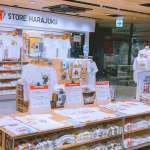
Since the weather can be extremely hot and humid, pack light, moisture-wicking clothes that allow your skin to breathe. Uniqlo’s AIRism collection offers a range of clothing, from shirts to undergarments, designed to keep you cool and dry. Clothing that dries quickly is also important because it prevents the musty, moldy smell that can develop with high humidity.


Check out our guide on Customizing Your Shirt at Uniqlo here!
Sun Protection
With the intense summer sun, it’s crucial to protect yourself from UV rays. Pack plenty of sunscreen (preferably SPF 50+), a wide-brimmed hat, and sunglasses. A small, foldable umbrella is a must for deflecting both the sun and sudden rain showers.
Hydration Essentials
To avoid dehydration, always carry a refillable water bottle and electrolyte packets. You can also find electrolyte drinks like Pocari Sweat in convenience stores, but it’s always good to have some on hand.
Rain Gear
Since June marks the start of the rainy season, be prepared for sudden downpours. A lightweight raincoat or waterproof jacket is essential. Pack a travel-sized umbrella, but consider bringing a foldable poncho for days with heavier rain.
Portable Fan and Cooling Products
Many Japanese locals use portable fans, which you can buy in convenience stores or department stores. Cooling sprays and neck rings are also popular items that help lower your body temperature when you’re outdoors.
Footwear
Pack comfortable, breathable shoes that are easy to walk in, as Japan is best explored on foot. Sandals or slip-ons are great for navigating the humid weather, but make sure they are sturdy and comfortable for long days of walking.
Bug Spray
Japan’s summer months bring out mosquitoes, especially in areas with lush greenery like parks and gardens. Don’t forget to pack a good insect repellent to avoid itchy bites.
Optional: Cooling Towel and Neck Rings
If you’re particularly sensitive to heat, consider packing a cooling towel or neck ring. These items are designed to provide immediate relief by staying cool even in hot weather. You can find them in most convenience stores across Japan during the summer.
Conclusion
Japan’s summer may seem daunting at first, with its intense heat, humidity, and occasional typhoons. However, with the right preparation and packing list, you can enjoy everything this incredible season has to offer. From festivals to seasonal foods and cultural experiences, summer in Japan is full of unique adventures that you won’t want to miss. Follow this guide, pack smart, and you’ll be ready to enjoy your summer travels to the fullest!
You must be logged in to post a comment.